


Looking for the real thing? Browse authenticated intaglio rings, each piece one of one, individually authenticated, with documented provenance. For the background, see the guide to Roman jewelry.
Quick answer: what cannot be paired with a roman carnelian ring
In short, combinations that commonly cause problems are vivid neon or acid greens and very cool, icy pastels that fight the stone's warm red-orange tones, highly rhodiumed white metals or ultra-bright contemporary silvers in historically styled ensembles, and very hard gemstones in direct contact that can abrade the carnelian.
These recommendations come from a mix of gemological properties, practical color guidance and conservation concerns, so they are intended to help collectors make intentional choices rather than to ban specific looks.
Follow behind-the-scenes context on Instagram
Please check the piece's condition and restoration notes and view curated examples before deciding how to wear a listed item.
How to use this guide: read the quick summary to decide whether you want historical harmony or deliberate contrast, then consult the sections on color, metals, and conservation for the reasoning and practical steps you can take when pairing an ancient ring.
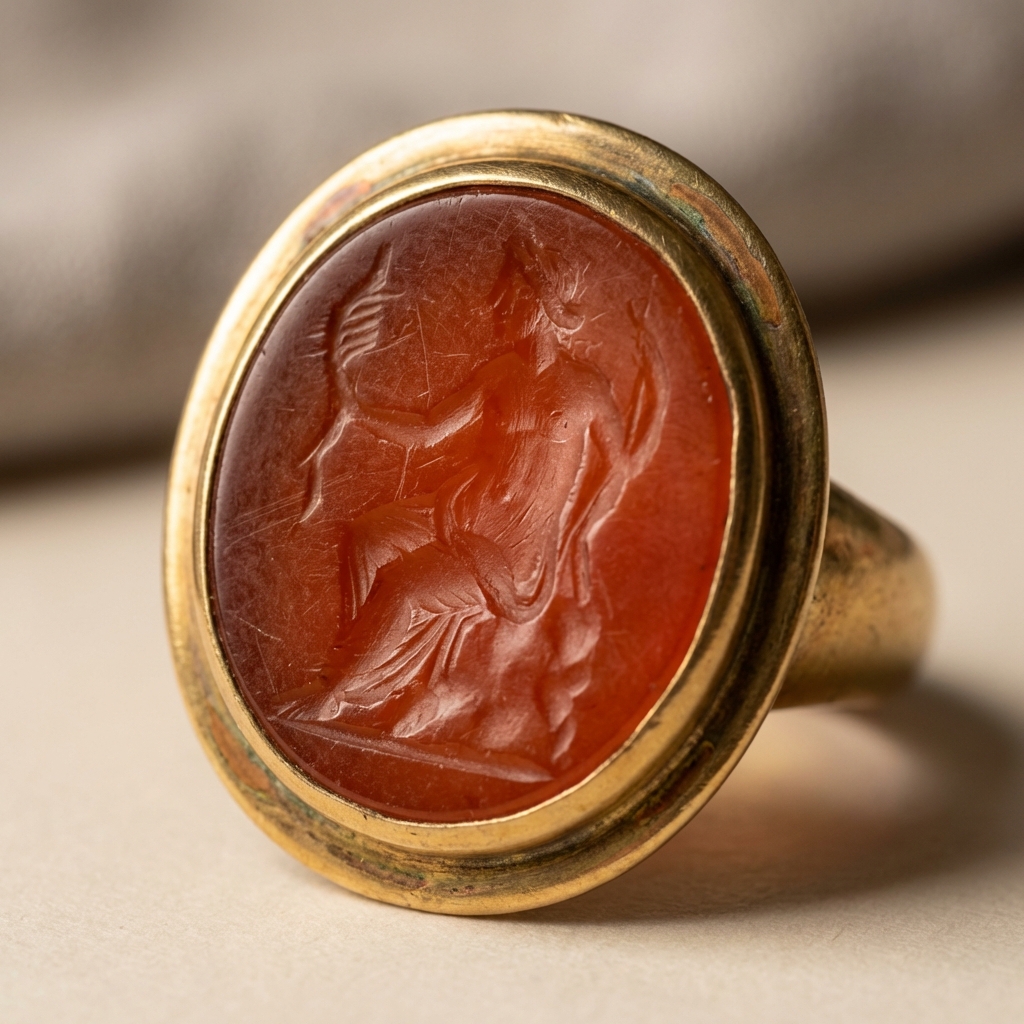
Evidence base: statements about carnelian's composition, typical hardness and conservation risks are grounded in gemological and conservation references that inform the practical recommendations given below.
What is a roman carnelian ring? Composition, use and historical pairing cues
Carnelian is a red-to-orange variety of chalcedony, a microcrystalline form of silica, with a Mohs hardness typically around 6.5 to 7, a property that helps explain both its durability and limits when paired with other materials; this hardness profile is relevant for decisions about stacking and contact with harder stones Gemological Institute of America carnelian entry.
Romans commonly used carnelian for intaglios and signet rings because the stone takes a fine engraved surface and reads well against warm metal settings; surviving examples in curated collections show frequent pairings with gold and bronze that accentuate the stone's warm tones ‘Minerva’ listing.

For collectors, the material identity and historical use mean two things: first, carnelian can be a wearable stone if handled with care, and second, the listing's condition notes and any restoration history materially affect whether a specific ancient ring should be paired or worn frequently. (See our Ancient Roman Rings collection.)
Why metal choice and color palette matter for a roman carnelian ring
Color theory and metal tone together determine whether a ring appears harmonious or jarring when worn with clothing and other jewelry; warm metals such as gold and bronze tend to support carnelian's red-orange hue, while very cool, highly reflective white metals create a sharper contrast that some curators consider discordant Aurora Antiqua silver example. See Interweave's article on Pantone colors and gemstone pairing here.
Which look are you aiming for: historical harmony or deliberate contrast?
Combinations that typically clash visually are neon/acid greens and icy pastels; material pairings to avoid include bright rhodiumed white metals in historically sympathetic contexts and very hard gems in direct contact, which pose abrasion risks; always check condition and restoration notes first.
When aiming for harmony, choose warm neutrals, creams and earth tones in clothing and complementary warm metals; when aiming for contrast, accept that the pairing will read as deliberate and prepare for the visual effect and potential conservation trade-offs.
Conservation and durability: material hazards when pairing or wearing an ancient carnelian ring
Carnelian's Mohs hardness around 6.5 to 7 means it is more resistant to everyday wear than many organic materials but it is softer than corundum or diamond; this difference makes close-contact situations, such as stacked rings or bezel-to-bezel settings with harder gems, a source of potential scratching over time Gemological Institute of America carnelian entry.
Beyond hardness, conservation guidance warns that strong acids, alkalis and aggressive polishing can harm both the stone surface and historic metal patina, so avoid chemical exposure and defer major polishing on conserved pieces unless advised by a conservator Getty Conservation Institute conservation guidance.
Practical implication: if a listing notes stabilized fractures, reattached bezels or modern mounts, those repairs change how aggressively you should wear or pair the ring; always review restoration notes before regular wear.
Visual combinations to avoid with a roman carnelian ring (what clashing looks like)
On a simple color wheel, carnelian's warm red-orange sits far from highly saturated acid greens and some icy, blue-leaning pastels; when those cool, high-energy colors are placed next to the stone they can create a visual tension that most styling guides describe as a clash rather than a complement Pantone color guidance (see Pantone's carnelian color page here).

Similarly, very bright rhodiumed white gold or high-gloss contemporary silver finishes can read as a modern, high-contrast frame around a warm-toned intaglio, which some collectors doing historically sympathetic styling may find discordant; that effect is a visual stylistic one rather than an absolute material problem, but it matters when your goal is to present the piece as wearable history Aurora Antiqua silver example.
Rule of thumb: for historical harmony prioritize warm metals and warm neutrals; for deliberate contrast proceed intentionally and accept the trade-off in visual tone.
Material pairings to avoid: hard gems, abrasive settings and close-contact risks
Harder gems such as diamond and corundum can abrade carnelian when in direct contact, so stacked rings or tightly set bezel-to-bezel arrangements with these stones are risky for long-term preservation of the intaglio surface Gemological Institute of America carnelian entry.
Design features that increase wear risk include rough or textured mounting surfaces, exposed claws that can catch adjacent stones, and unsecured bezel edges; any of these can produce micro-abrasions across the carnelian's surface during normal motion.
When building mixed-material stacks, plan spacing, choose rings with smooth internal profiles adjacent to the carnelian and prefer linking elements that keep harder gems from direct contact.
How to check condition, restoration and provenance notes before pairing a roman carnelian ring
Look for clear condition details on the listing: stabilized fractures, reattached bezels, modern soldering or mounts, surface polish, and explicit patina treatments all matter for whether and how you should pair or wear a piece ‘Minerva’ listing.
quick listing checks before pairing
Ask seller for missing details
If a listing lacks these notes, ask the seller whether any modern restoration was added and whether the bezel or hoop has been strengthened; those answers should influence whether you choose protective spacing or avoid daily wear. If still uncertain, contact the seller.
Provenance and verification letters rarely change conservation rules but they do inform how confidently you might display a piece; use provenance to understand collection history rather than as a permit for daily wear.
Styling frameworks: how to pair a roman carnelian ring for different aesthetics
Framework 1, historical harmony: choose warm metals like gold or bronze, layer with warm neutrals and keep other gems well spaced to avoid abrasion; for an ancient intaglio this approach emphasizes period-appropriate context and minimizes visual friction ‘Minerva’ listing.
Framework 2, mixed-era layering: combine an ancient carnelian with later bands by using spacer rings, linking motifs and neutral connectors that create breathing room between different materials and preserve both the look and the stone.
Framework 3, deliberate modern contrast: if you want the carnelian to pop against cool metals or bright colors, treat the contrast as intentional and expect a sharper visual statement; in that case be mindful of abrasion risks and keep the carnelian separated from harder stones.
Practical dos and don'ts checklist for wearing a roman carnelian ring
Do prioritize warm metals or warm clothing tones for sympathetic combinations, space the ring away from harder stones when stacking and review restoration notes before regular wear Gemological Institute of America carnelian entry.
Do clean gently with mild soap and a soft cloth, and store the ring individually to prevent contact with harder gems or abrasive surfaces.
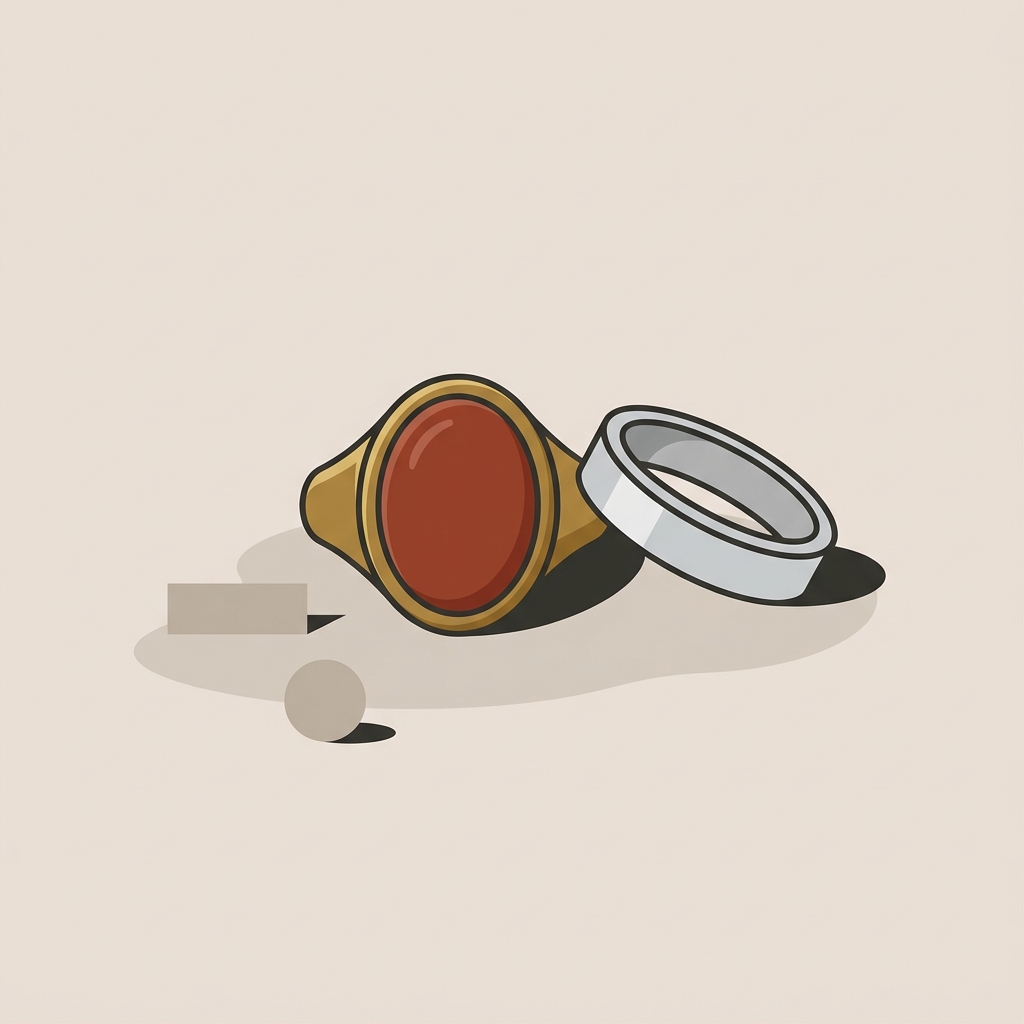
Don't use strong acids, bleach or aggressive polishing on conserved pieces, and don't assume every silver piece will pair well in a historically sympathetic ensemble Getty Conservation Institute conservation guidance.
Common mistakes collectors make when pairing carnelian and how to avoid them
Visual mistake: assuming any silver will read as neutral; in many cases very bright or rhodiumed white silver reads as a sharp modern frame that can overpower a warm carnelian, especially in historically styled presentations Aurora Antiqua silver example.
Conservation mistake: wearing an ancient ring every day without checking for previous repairs or stabilized fractures; this can accelerate damage if a bezel or hoop has been weakened by modern soldering.
Correction steps: separate wear occasions, introduce protective spacers, and request detailed condition photographs or a conservator opinion before attempting daily wear.
Annotated examples and scenarios: interpreting real pairings (case studies)
Case 1, Roman gold ring with carnelian intaglio: a historically harmonious pairing is shown in curated listings where the warm gold setting complements the stone and the listing provides restoration notes that recommend occasional display over continuous wear ‘Minerva’ listing.
Case 2, modern silver-heavy outfit: a bright rhodiumed ring worn with cool clothing tones can create a deliberate high-contrast effect, but if the intention is historical coherence, lowering the outfit's cool saturation or adding warm accessories will reduce the perceived clash.
Case 3, mixed-era stack: using a thin spacer band or a neutral, low-profile link between a carnelian intaglio and a later corundum gem preserves the intaglio's surface while allowing a layered look.
Care, storage and safe-wearing practices for paired ensembles
Cleaning: avoid strong acids, bleaches or abrasive cleaners; use mild soap, warm water and a soft cloth for light cleaning and defer aggressive polishing on conserved pieces unless advised by a specialist Getty Conservation Institute conservation guidance.
Storage: keep the carnelian ring in its own padded compartment, avoid stacked storage with harder gems, and consider soft risers that keep the bezel from rubbing other jewelry.
When in doubt consult a conservator or ask the seller for guidance if the listing includes restoration notes or stabilization details; that advice can change how you choose to wear or pair the piece.
How Aurora Antiqua presents ancient carnelian rings and why that matters for pairing decisions
Aurora Antiqua lists curated ancient rings with condition notes, restoration notes, provenance references and editorial context so buyers can see the factors that should affect pairing and wearing choices; readers should use those notes to determine whether a piece is suitable for regular wear or for more limited, careful use ‘Minerva’ listing. (See our rings collection.)
Restoration or added modern mounts typically change recommended wear patterns, so if these details appear in a listing they should lead you to favor conservation-minded pairings and to avoid daily wear that risks further intervention.
Further reading and references
For gemological background on carnelian, consult standard references that describe composition and hardness; for conservation protocols consult institutional guidance on archaeological metals and treatment; for color pairing, refer to practical color theory resources that explain why distant hues create visual tension GIA carnelian overview. (See National Jeweler's article on pairing Pantone and colored stones here.)
Where possible, use curated listing notes to understand how a specific object was conserved or restored; those details matter more for pairing decisions than general styling tips.
Conclusion: choosing pairings that protect and flatter a roman carnelian ring
Main takeaways: avoid neon or acid greens and icy pastels if you want historical harmony; treat very bright rhodiumed white metals as a deliberate modern contrast rather than an automatic match; and avoid placing very hard gems in direct contact with a carnelian intaglio to prevent abrasion Gemological Institute of America carnelian entry.
Next steps: review condition, restoration and provenance notes for any listed piece, favor conservation-first choices for ancient rings, and use spacing or protective spacers when mixing materials to reduce wear risk.
Stacking a diamond band directly against an ancient carnelian intaglio is not advised because diamond is harder and can abrade the carnelian; use a spacer or separate occasions for wearing instead.
Not always; bright, highly reflective silver or rhodiumed white metals can create a stark modern contrast with carnelian, while softer, patinated silver tones may read more neutrally depending on styling intent.
Clean gently with mild soap and a soft cloth, avoid strong acids, bleaches and aggressive polishing, and consult conservation notes or a specialist for pieces with restoration history.
More from Aurora Antiqua
References
- How to Care For Your Jewellery: The Ultimate Guide by the National Association
- Pearl Care and Cleaning Guide, Gemological Institute of America (GIA)
- Archaeological materials, Icon, The Institute of Conservation (UK)
- Leitfaden Standards Bewahren, Deutscher Museumsbund e.V
- The Gemstone Book, CIBJO Blue Book, Coloured Stone Commission, CIBJO, The World Jewellery Confederation
- Intaglio: Victory in a Chariot, The Cleveland Museum of Art, USA