


Looking for the real thing? Browse genuine Roman rings for sale, each piece one of one, individually authenticated, with documented provenance. For the background, see the guide to Roman jewelry.
Quick answer: are antique roman earrings worth anything?
Short verdict first: antique roman earrings can be worth something, but the outcome depends on four main pillars that most specialists use to judge value - materials and craftsmanship, provenance and documentation, condition and restoration, and market demand. Market summaries show a split between modest prices for common bronze finds and higher prices for well documented gold or gem set pieces, so expect wide variation rather than a single answer Christie's market reports.
For many buyers the most useful takeaway is this conditional sentence: an individual piece may be modestly priced if it is a common copper alloy example with limited paperwork, and it may command significantly more if it is gold or intaglio-set silver and comes with clear documentation and stable condition. This approach emphasises practical checks over promises about future price.
Short summary for buyers
For practical purposes, treat any Roman earring listing as an assertion that needs verification: look for clear photos, measurements, condition notes and any collection history. Public find databases and museum typologies are useful comparative resources when you encounter unfamiliar forms Portable Antiquities Scheme finds database.
What this article will and will not cover
This article focuses on Roman period earrings as objects for collectors and buyers, explaining common forms, how specialists assess value, recommended non destructive checks, and practical next steps before you buy or sell. It does not replace a formal appraisal or laboratory examination and it does not provide legal advice. Read related posts on our Roman Empire blog.

This article focuses on Roman period earrings as objects for collectors and buyers, explaining common forms, how specialists assess value, recommended non destructive checks, and practical next steps before you buy or sell. It does not replace a formal appraisal or laboratory examination and it does not provide legal advice. Read related posts on our Roman Empire blog.
What are antique roman earrings? Definitions and common forms
By antique roman earrings we mean personal jewellery items dated to the Roman period as described by catalogues and collection accounts, typically using conditional dating language such as 1st to 3rd century or similar estimates. Museum galleries and timelines provide typologies that help place forms and decorative choices in context Metropolitan Museum of Art overview.
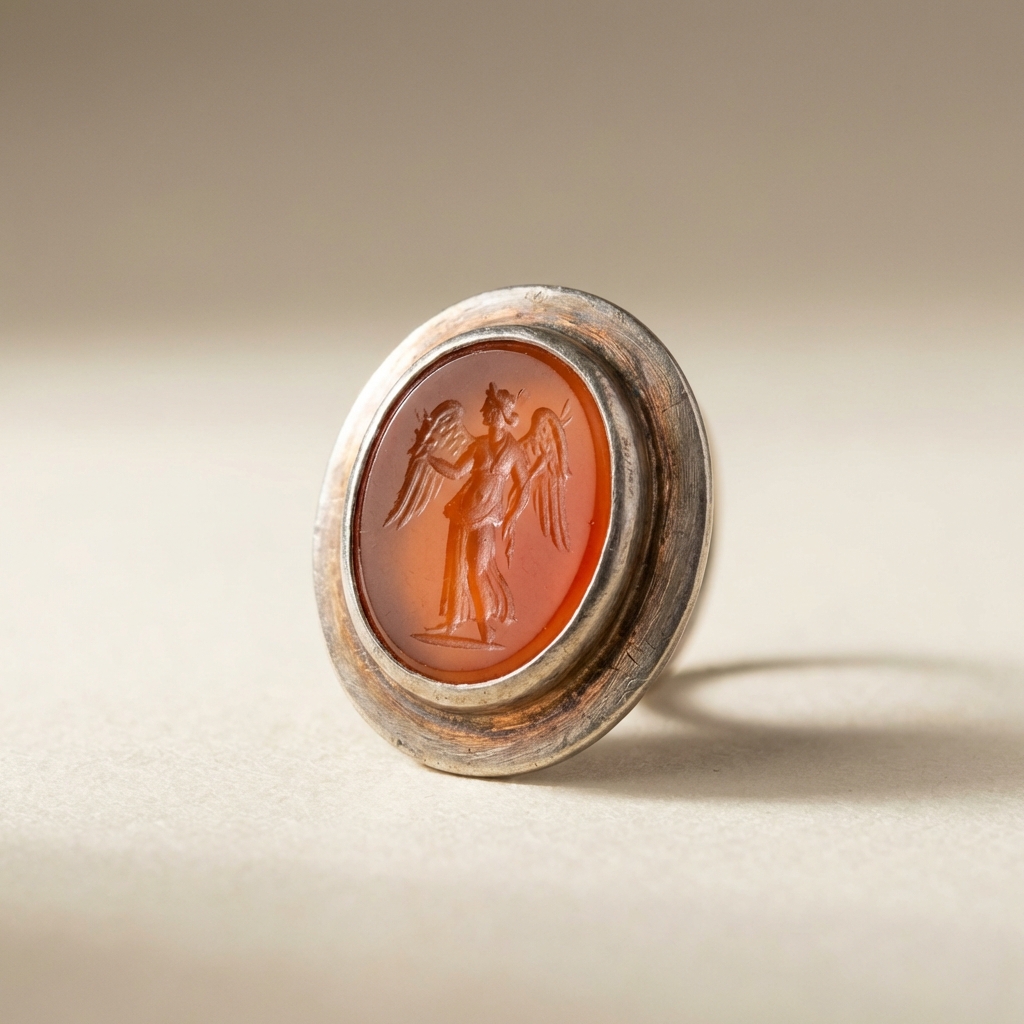
Common typologies include small hoops, drop or pendant styles with a suspended element, and hooked fittings which attach to a pin or loop. Hoop forms can be simple or feature applied wirework, while pendants may include settings for stones such as carnelian, agate or amethyst; intaglio mounts appear on silver rings and occasionally on settings attached to ear ornaments.
Follow our behind the scenes account for condition and documentation insights
View curated listings to see how condition and documentation are presented for each piece, and note the differences between simple excavated bronzes and pieces offered with provenance and conservation notes.
Typology helps with dating and comparison: a small hinged hoop dated by cataloguers can look different from a later hooked form, and typological matches in museum or public catalogues are a first line check for attribution and approximate dating. See our Ancient Roman Rings collection for comparative examples and the British Museum Roman Britain gallery.
Short illustrative terms collectors use when reading listings include bezel for a stone mount, shoulders for structural rises on a drop element, and patina to describe age related surface changes. These terms help frame condition notes and restoration descriptions later in the article.
The four pillars for valuing antique roman earrings
The framework many specialists use reduces to four pillars: materials and craftsmanship, provenance and documentation, condition and restoration, and market demand. Each pillar affects saleability and price in different ways and together they form a practical appraisal checklist for buyers and sellers Metropolitan Museum of Art overview.
Materials and craftsmanship indicate intrinsic and perceived value; provenance and documentation build buyer confidence; condition and restoration determine what conservation is required; and market demand shows whether collectors are currently seeking a specific type. Prioritise pillars differently depending on whether you plan a private sale, auction consignment or long term conservation.
compact four pillar checklist for pre purchase and consignment reviews
use as printable starter checklist
How to use the pillars in practice: start with materials and condition on first inspection, then seek provenance documents, then check market comparables to set expectations. If a piece appears to be high value by materials and condition, add a scientific check such as a portable XRF read before committing to a high value transaction Journal of Archaeological Science: Reports.
The pillars help you decide where to spend time and money: for a small bronze hoop with no paperwork, condition photos and measurements may be sufficient; for a gold or intaglio set example, provenance and lab analysis become much more important.
Materials and typology: why gold, silver and intaglio settings matter
Material choice is a primary value driver because gold and intaglio-set silver pieces are typically considered higher value than copper alloy examples in most specialist typologies and collection summaries Metropolitan Museum of Art overview.
They can be, depending on materials, provenance, condition and market demand; common bronzes are often modestly priced while well documented gold or intaglio set pieces attract stronger interest.
Recognising common stones and settings helps you spot higher value attributes. Carnelian and agate were widely used for cameos and intaglios, while amethyst and glass were used as decorative elements. An intaglio mount will generally be set in a bezel or a small silver frame and can indicate a higher quality workshop attribution if the setting and carving are well executed British Museum Roman Britain gallery.
Practical ID tips: look for a compact bezel around a stone, a smoothly carved seal surface on intaglios, and metal work techniques such as granulation or die struck details that suggest higher craftsmanship. When material identification matters to price, seek specialist testing or an appraiser who can confirm karat, alloy composition or gemstone identification.
Provenance and documentation: how collection history changes saleability
Clear provenance and documentation materially improve saleability and buyer confidence for ancient earrings by linking the object to a collection history, prior sale records or verification letters; buyers respond to transparent documentation when deciding how much risk to accept Portable Antiquities Scheme finds database.
Types of provenance records that are helpful include prior auction or sale receipts, collection inventory notes, dated photographs, and conservator or verification letters when they exist. A concise chain of custody that explains how the object left a collection and entered the market is more valuable than an open assertion without evidence.
Where to look for comparative references: public find databases and institutional catalogues can reveal close parallels and published matches that strengthen an attribution. Checking a finds database for similar typologies or motifs is a low cost step many specialists recommend before purchase Portable Antiquities Scheme finds database.
Why provenance matters in practice: documentation reduces buyer hesitation and can influence where a piece sells, how it is marketed, and whether a specialist auction or dealer sale is recommended over a general marketplace listing.
Condition, conservation and restoration notes: reading wear and repairs
Condition is decisive for pricing: whether an item retains original patina, shows stable corrosion or has had restoration work performed affects both resale value and immediate conservation needs. For guidance on appropriate conservation practice, conservators refer to published resources on metal object treatment Getty Conservation Institute guidance.
Key markers to examine include the presence and character of patina, areas of active corrosion, and structural stability where hoops or suspension loops might have been re soldered. High quality listings will describe stabilised corrosion and any interventions with dates and conservator notes.

Typical restoration work that is considered legitimate includes stabilisation to halt corrosion, careful re soldering to make a piece structurally safe for handling, and minimal cleaning or inpainting to clarify features. Listings should specify what was stabilised and what was left untouched in restoration notes and ideally provide before and after images for transparency Getty Conservation Institute guidance.
Ask for photos that zoom on join areas, suspension points and the interior of hoops. If a seller cannot provide clear condition photos and a description of any repairs, treat the listing as higher risk and consider a conservator inspection for high value purchases.
Scientific analysis and authentication methods buyers should know about
Non destructive scientific methods are commonly used in specialist authentication workflows; portable XRF and microscopy are two techniques that provide alloy and surface detail information without harming the object Journal of Archaeological Science: Reports.
Portable XRF can indicate metal composition and help distinguish silver from high tin bronzes or surface plated items, while microscopy can reveal tool marks, casting seams or surface alterations from modern work. These tests are standard parts of an authentication workflow for higher value pieces.
When to commission lab reports: a portable XRF read or a short conservator microscopy summary is often advisable prior to any high value transaction. Formal lab reports are more expensive but appropriate where sale prices or provenance questions justify the cost.
Market patterns: what typically sells and price ranges to expect
Market evidence through specialist sale reports shows a bifurcated market where common bronze finds often sell for modest sums while well documented gold or gem set Roman pieces can achieve higher prices, depending on condition and documentation Christie's market reports. Auction databases such as LiveAuctioneers also list comparable lots that illustrate price spread for different materials.
Factors that improve resale liquidity include strong documentation, an attractive typology, intact suspension and aesthetic appeal, and a demonstrable comparables record in sale catalogues. Conversely, region specific differences in resale liquidity and the limited public reporting for earrings versus rings can complicate price discovery.
Practical expectation setting: if a listing describes a plain copper alloy hoop with no paperwork, plan for limited resale demand; if a listing describes gold or a silver intaglio set earring with provenance and testing, treat it as a candidate for specialist sales channels where buyer interest is stronger. General marketplaces and dealer listings such as 1stDibs are useful for price checks but specialist auctions often yield clearer comparables.
A practical appraisal checklist for buyers and sellers
Buyer quick pre purchase checks 1. Request high resolution photos from multiple angles. 2. Ask for measurements and weight. 3. Request condition notes and any conservator reports. 4. Ask for any provenance or sale history. 5. If the piece appears high value, request portable XRF or microscopy reads Portable Antiquities Scheme finds database.

Seller preparation 1. Provide measurement, weight and clear condition notes. 2. Include restoration notes that explain stabilisation or repairs. 3. Supply any documentation such as prior sale receipts, collection history notes or conservator letters. 4. Suggest a reasonable sales channel based on materials and documentation.
When to seek specialist appraisal: if multiple pillars point towards higher value, such as gold material plus partial provenance, commission a formal appraisal or lab report before consigning to a specialist sale to avoid surprises at the point of sale Getty Conservation Institute guidance.
Common mistakes, red flags and what to avoid
Frequent errors include over reliance on single photos, accepting vague provenance statements, or ignoring evident modern repairs. Listings that offer limited imagery and no condition notes are higher risk and require further questions.
Red flags to watch for include inconsistent patina across connected surfaces, missing provenance for high value claims, and prices that seem too low for the materials described. When in doubt, request conservator images or delay purchase until tests and documentation are available.
Simple remediation steps: ask for close up images of joins and suspension points, request a conservator summary if repairs are suspected, and consult public parallels in museum or finds databases to see if the typology is common or unusual Portable Antiquities Scheme finds database.
Simple remediation steps: ask for close up images of joins and suspension points, request a conservator summary if repairs are suspected, and consult public parallels in museum or finds databases to see if the typology is common or unusual Portable Antiquities Scheme finds database.
Examples and scenarios: reading three common listings
Scenario 1, small bronze hoop with no provenance. Positive signals: compact form and intact hoop. Negative signals: no documentation and surface active corrosion. Recommended next steps: request measurement and weight, ask for close up photos and consider a conservator read if any structural instability is visible. Comparable finds are common in public databases so expect modest market interest Portable Antiquities Scheme finds database.
Scenario 2, silver earring with intaglio and partial documentation. Positive signals: intaglio setting and partial collection history. Negative signals: incomplete paperwork and unclear restoration notes. Recommended next steps: request clearer provenance documents, ask for a portable XRF read to confirm alloy and a conservator microscopy check to document the state of the intaglio Journal of Archaeological Science: Reports.
Scenario 3, gold drop earring with conservator report. Positive signals: gold material, intact suspension and an independent conservator report. Negative signals: check the extent of any past repairs and request sale comparables before setting expectations. For such pieces, specialist channels often produce more buyer interest than general listings; see dealer listings such as Antiquities.co.uk for marketplace examples.
Wrapping up: realistic expectations and next steps
Summary of practical takeaways: apply the four pillars to every listing, prioritise materials and condition for initial screening, then seek provenance and scientific checks when either the item or the price justifies them. Public databases and conservator guidance are practical resources for comparative checks Portable Antiquities Scheme finds database.
Recommended immediate actions: request high resolution images and condition notes, ask for any documentation the seller has, and consider a portable XRF or conservator read before high value transactions. Aurora Antiqua acts as a curation reference and places emphasis on condition notes, provenance description and transparent restoration statements to help buyers make informed choices.
Visible signs include colour, density and surface behaviour but visual checks are not definitive; request a weight, close up photos and consider portable XRF if material identification matters.
Original patina often supports an age signal and can be positive for authenticity, but active corrosion or instability reduces value and should be assessed by a conservator.
Yes, public find and museum databases are useful for comparative identification and to find published parallels prior to purchase.
More from Aurora Antiqua
References
- Luxury Arts of Rome, The Metropolitan Museum of Art, New York
- boucle d'oreille, Louvre site des collections, Musée du Louvre, Département des Antiquités grecques
- Pair of Earrings, Dumbarton Oaks Research Library and Collection
- Earring, Victoria and Albert Museum, London
- Gold earring, Museum of Byzantine Culture Thessaloniki
- Publication 561 (12/2025), Determining the Value of Donated Property, Internal Revenue Service (IRS), USA
- Auction Terminology, Christie's
- About us, International Association of Dealers in Ancient Art
- Conservation Institute, The Getty