


Looking for the real thing? Browse genuine Roman rings for sale, each piece one of one, individually authenticated, with documented provenance. For the background, see the guide to Roman jewelry.
What we mean by roman glass jewelry and why lifespan varies
By roman glass jewelry we mean archaeological or historically produced soda-lime glass objects used as wearable items, from beads and intaglios to inlaid rings and small pendants, often carrying an aged patina or surface etching. Collectors and buyers will see the phrase commonly used for items made in the Roman world and similar ancient contexts, and it helps to separate the category from modern technical glass used in contemporary jewellery.
Survival over centuries does not automatically mean the piece is stable for continued wear or display; many archaeological soda-lime objects endure but remain chemically vulnerable to hydration, ion leaching and a condition known as crizzling, so the current environment and documented condition determine likely remaining lifespan, not mere age. For guidance on the mechanisms that create active decay, museum literature is a practical starting point Journal of Archaeological Science review on archaeological glass
Definition and common forms
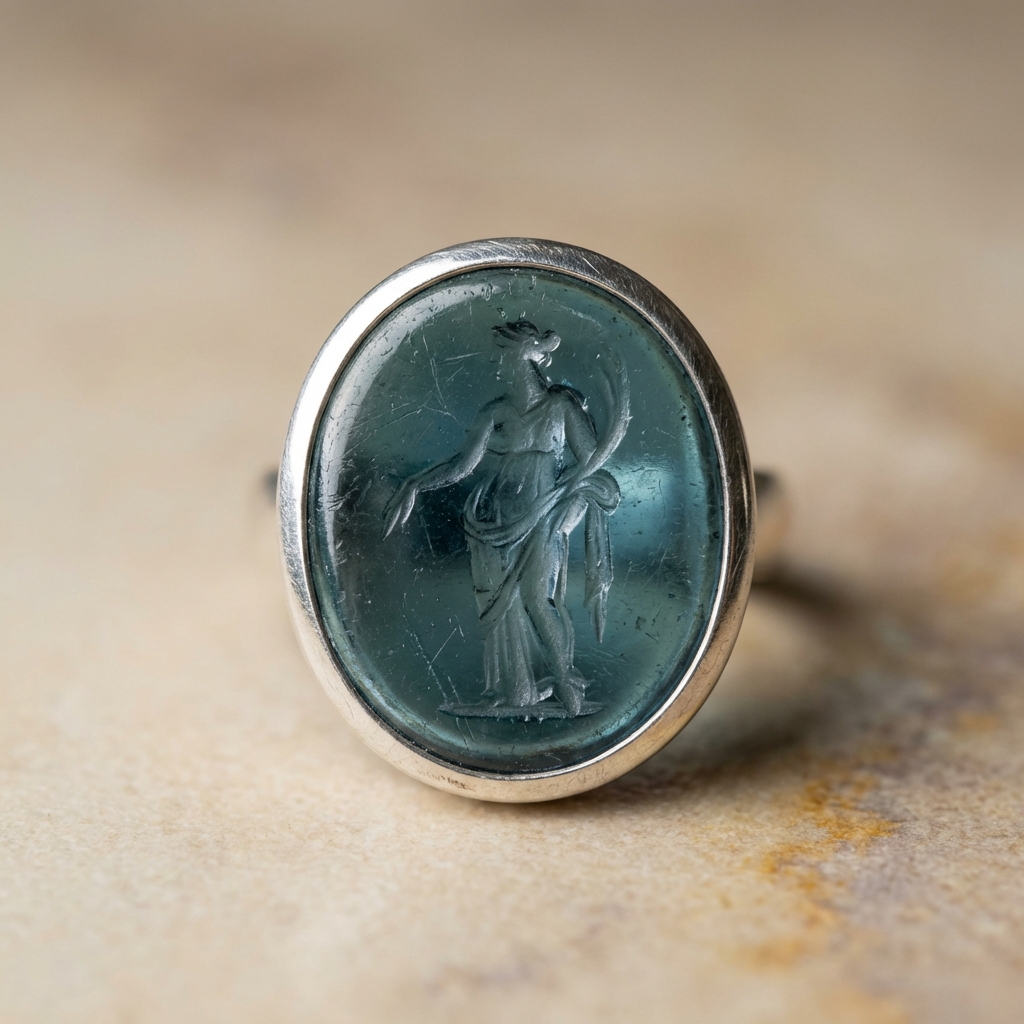
Common forms of roman glass jewelry include small beads strung into necklaces, intaglios set into rings, inlaid glass plaques, and pendants. These items are typically soda-lime-silica glass and may show wear consistent with age, such as surface etching, loss of gloss, or minute chips along edges.
Quick summary: survival versus stability
Put simply, many examples have survived for centuries but their ongoing stability depends on composition, past burial or storage environment, and any restorations or consolidants they received. Examining provenance and condition notes is therefore essential to estimating how long a given piece can be worn or displayed safely, and such factors are repeatedly emphasised in conservation guidance Getty Conservation Institute guidance on glass
How composition and manufacture determine durability
Soda-lime-silica glass, the typical material for Roman-era pieces, contains silica, soda and lime; its chemistry makes it prone to ion leaching and hydration when exposed to moisture or fluctuating humidity, which can lead to etching and progressive surface breakdown. Understanding this basic chemistry helps collectors interpret surface signs and risk Corning Museum of Glass advice on caring for glass
By contrast, some modern technical glasses found in contemporary jewellery, such as borosilicate, are formulated to resist chemical weathering more effectively, though they remain vulnerable to impact, scratches and thermal shock; recognising the difference between archaeological soda-lime glass and modern types matters for deciding safe use and care.

Soda-lime silica glass chemistry and its vulnerabilities
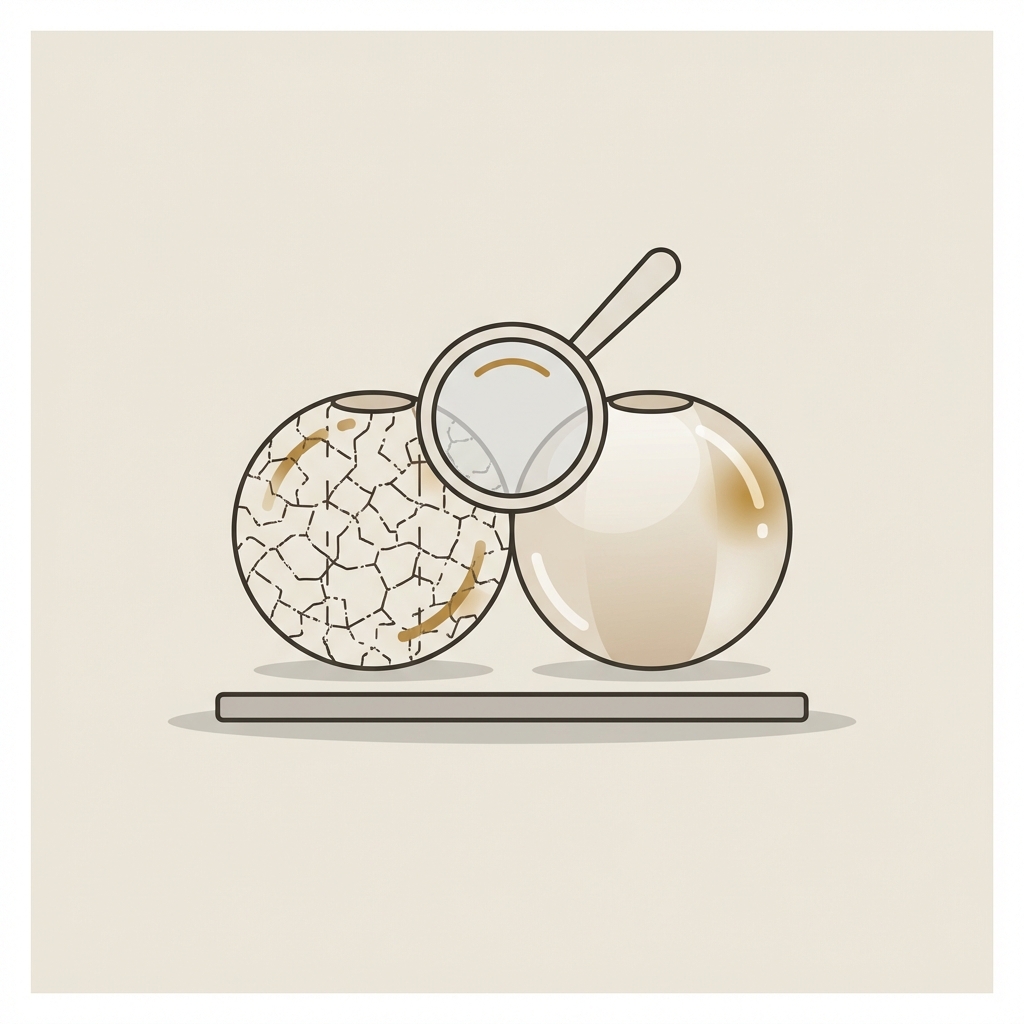
Terms to know include hydration, where water interacts with the glass network; ion leaching, where soluble elements migrate out of the glass; and crizzling, a network of fine cracks that signals active degradation. These processes begin at a microscopic level and may be visible as loss of gloss or a powdery surface if unchecked. Practical conservation guidance links these phenomena to environmental exposure and storage histories Journal of Archaeological Science review on archaeological glass
Contrast with modern technical glasses used in contemporary jewellery
Modern borosilicate and other technical glasses are made with different formulations that reduce soluble components and therefore resist chemical corrosion, but they do not eliminate mechanical risks. A collector who mistakes a durable modern piece for an ancient object may allow more frequent wear than a comparable soda-lime antiquity would tolerate.
Quick handheld loupe and surface checklist to spot hydration and crizzling cues
Use a loupe under steady light to compare areas
Main environmental drivers of decay for roman glass jewelry
Relative humidity and moisture are the single most important environmental factors for archaeological soda-lime glass; repeated wetting or large RH fluctuations accelerate hydration and ion leaching and can trigger crizzling in susceptible objects, so maintaining a stable environment is central to conservation care for glass Canadian Conservation Institute guidance on caring for glass
Salt residues from burial or previous storage, acidic or alkaline contacts from packing materials, and residues on hands can all alter surface chemistry and promote corrosion; avoiding reactive materials and clearing salts where feasible are practical preventive steps informed by museum protocols Getty Conservation Institute guidance on glass
Light and repeated rapid temperature swings can contribute indirectly by stressing mounts and causing microcracking, while prolonged exposure to some light conditions may change appearance; however, the dominant chemical drivers for ancient soda-lime glass remain moisture and soluble ions, which is why humidity control is a frequent recommendation in institutional sources Corning Museum of Glass advice on caring for glass
Follow @auroraantiqua for behind the scenes care tips and condition checklists
If you manage multiple pieces, consider using a printable condition checklist and a simple humidity log to track changes before and after storage changes or wear
For private collectors, a practical target is maintaining a stable relative humidity roughly in the middle of the 30 to 50 percent range suggested by conservation bodies; sudden shifts outside this range are more damaging than a steady environment at either end. Simple hygrometers and a small silica gel protocol can help reduce short-term risk Canadian Conservation Institute glass care
Relative humidity and moisture effects
Moisture leads to hydration of the glass surface and can mobilise soluble ions, creating visible etching and, if ongoing, a network of fine cracks known as crizzling; once active, these processes often require professional intervention to stabilise.
Salts, pH and burial residues
Salts trapped in glass from burial environments or from prior storage can crystallise when humidity changes and physically disrupt the surface; acidic or alkaline packing materials can also change local pH and accelerate leaching, so non-acidic, inert storage is recommended.
Temperature swings and light exposure
Rapid temperature changes can cause mechanical stress and make existing flaws worse, while light can affect some surface treatments or residues. Prioritise stable conditions and avoid exposing delicate pieces to environments with large thermal variation.
How settings and mounts affect mechanical risk and preservation
Settings can be a key line of defence for fragile glass edges; a full bezel or buffered backing that supports the glass reduces the chance of edge chipping and distributes impact forces, which helps protect archaeological glass in wearable settings. Practical mounting choices also appear in conservators guidance and museum practice Corning Museum of Glass advice on caring for glass
But settings can introduce risks: tight mounts may trap moisture against the glass or place reactive metals in direct contact with the surface, creating localised corrosion points. When reviewing listings or restoration notes, collectors should check whether mounts were chosen for protective support or simply for display aesthetics British Museum notes on caring for glass objects

Conservative mounting principles include avoiding enclosed pockets that retain humidity, using non-reactive padding between metal and glass, and documenting any historic repairs or consolidants in restoration notes so future handlers understand what was changed and why.
Protective mounts: bezels, buffered backing and padded supports
A well-designed bezel supports edges and can include a thin compressible lining to cushion the glass; buffered backings use inert materials that reduce pH risk and help avoid direct metal contact with sensitive surfaces.
Risks introduced by settings: trapped moisture, reactive metal contact
Certain reactive alloys can catalyse corrosion or create micro-galvanic environments against glass, and poorly vented mounts can hold moisture. Restoration notes should state whether such risks were addressed during any conservation work.
Everyday handling, wearing and cleaning: safe practices for collectors
Keep handling to a minimum and always use clean, dry hands or gloves when examining ancient glass jewelry; oils, salts and residues from skin can change local surface chemistry and introduce salts that encourage further reaction. These handling precautions are part of standard conservation care for glass Canadian Conservation Institute guidance on glass
Avoid water immersion, pools, showers and exposure to perfumes or cosmetics when wearing ancient glass; even brief contact with acidic products or chlorinated water can alter surface appearance and accelerate deterioration. For ancient pieces, the safest approach is occasional, cautious wear with immediate return to padded storage afterwards Corning Museum of Glass advice on caring for glass
Handling protocols and recommendations for wearing
Before wearing, review condition notes and look for any signs of active corrosion. Limit wear during activities that risk impact or chemical exposure and remove pieces for tasks like washing or exercising.
Cleaning do's and don'ts for ancient glass set in jewelry
Do not use ultrasonic cleaners, strong solvents or abrasive polishes on ancient glass; such methods can remove protective patina, drive moisture deeper into the surface or detach fragile glass layers. Instead, gently remove loose dust with a soft brush and, if necessary, use a barely dampened cotton swab with distilled water, applied sparingly and only after confirming stability with a conservator when in doubt Corning Museum of Glass advice on caring for glass
How to assess condition: signs of active corrosion and what they mean
Visual signs to watch for include a network of fine cracks called crizzling, powdering or flaking surfaces, and a loss of original gloss or the appearance of iridescence from weathered layers; these are different from ordinary wear and can indicate active chemical change requiring intervention Journal of Archaeological Science review on archaeological glass
Stable aging often shows consistent surface wear, small edge chips and a muted gloss but no progressive powdering or new cracking over time; documenting a piece with photos and condition notes helps detect changes that signal instability.
Visual cues: crizzling, powdering, iridescence, flaking
Crizzling appears as a fine network of cracks that may feel rough to the touch; powdering is loose granular material on the surface. Either symptom suggests the glass is actively losing soluble components and warrants professional evaluation.
When condition requires professional consolidation
If you observe active surface loss, progressive powdering, or flaking that produces residues, stop wearing the piece and consult a conservator for assessment; consolidation and stabilisation techniques exist but should be applied by trained professionals and recorded in restoration documentation Getty Conservation Institute guidance on glass
A simple four-factor field score to estimate remaining lifespan
For quick triage, score four factors on a 1 to 5 scale where 1 is low risk and 5 is high risk: material composition (archaeological soda-lime versus modern technical glass), visible condition (no crizzling to severe flaking), setting protection (fully buffered bezel to open mount), and exposure level (kept in stable museum-style storage to frequent wear in variable environments). ICOM-CC practical guidance supports using multi-factor assessments for prioritising interventions ICOM-CC working group overview
Roman glass jewelry can last for centuries, but its remaining lifespan depends on composition, observable condition, mounting protection and the stability of its storage and wear environment; preventive care and professional assessment when active corrosion appears will materially extend usable life.
After scoring each factor, total the points and use simple bands to prioritise action: low total suggests safe occasional wear and routine monitoring; mid-range calls for rehousing, restricted wear and more frequent checks; high totals indicate immediate professional assessment and likely consolidation. Remember this is a field triage tool and not a substitute for laboratory testing or conservator advice E.C.C.O. Professional Guidelines (II): Code of Ethics, European Confederation of Conservator-Restorers'
Score factors: material, condition, setting protection, exposure
Material composition influences chemical risk, condition shows current activity, setting protection reduces mechanical risk, and exposure level captures how often the piece faces humidity changes, sweat, or chemicals; scoring each gives a compact picture of likely remaining lifespan and helps collectors prioritise resources ICOM-CC working group overview
How to use the score: prioritise intervention or limited wear
Use the score to decide whether a piece can be safely worn occasionally, should be limited to display in a controlled microclimate, or needs urgent professional stabilisation; keep written condition notes and photographs to track trends after any decision is made.
Storage, packing and display: setting up a safe environment
Store roman glass jewelry in padded, non-acidic materials and avoid wood boxes or paper that can off-gas or change local pH; inert plastics or acid-free boxes combined with soft cushioning are accessible options for private collectors seeking preventive collection care Canadian Conservation Institute guidance on glass
For display, use cases that minimise dust, maintain a moderate, stable humidity, and avoid direct sunlight; if possible create a simple microclimate inside a case with a small buffer packet and monitor conditions with an affordable hygrometer to detect changes early British Museum notes on caring for glass objects
Recommended storage materials and cushioning
Choose inert foams and polyester padding, and avoid wool or untreated leather that can release acids. Label storage with condition notes and check periodically for any new residues or movement within the mount.
Display cases, microclimate and humidity control
For high-value or fragile items, a sealed display case with silica gel or a buffered microclimate helps keep RH stable; small hygrometers provide cost-effective monitoring and tell you when to adjust buffering materials.
For transport, insurance and wearing decisions for special occasions, Museums and experienced shippers recommend padded transport and condition documentation for small artifacts Corning Museum of Glass advice on caring for glass
For wearing on special occasions, prefer pieces with low field scores and secure protective mounts. Do not wear items showing active corrosion, and limit exposure to crowds, perfumes and humid conditions. Share condition notes with insurers or couriers when arranging coverage for transit or temporary loan.
Safe transport packing and brief wear protocols
Use individual padded compartments within a rigid case, include silica gel if humidity is a concern, and avoid rapid temperature changes during transit. When wearing, plan for short, low-risk events and remove jewelry for any activity with impact or moisture risk.
How to discuss condition with insurers or handlers
Provide clear condition notes, attach recent photographs, and state any known restorations or consolidants; this transparency reduces uncertainty and helps insurers and handlers make informed decisions about coverage and handling requirements.
When to seek professional conservation and what to expect
Seek a conservator if you observe active crizzling, flaking or progressive powdering. Conservators begin with non-destructive diagnostics and surface sampling only if necessary, aiming to document condition and apply minimal interventive measures where appropriate Getty Conservation Institute guidance on glass
Common approaches include consolidation to re-bind powdering surfaces, careful removal of soluble salts where safe, and detailed restoration documentation that records materials used, methods and future care recommendations. Collectors should request written restoration notes to accompany any work.
Diagnosis, non-destructive testing and consolidation options
Conservators typically favour non-destructive tests and visual microscopy, supplemented by portable analytical tools when needed; consolidation uses reversible materials chosen to match the object's needs and must be recorded for future caretakers.
How conservators document work and what collectors should request
Request a written treatment report that lists findings, materials, methods, photographs before and after, and recommendations for future care; this documentation becomes part of the object's provenance and condition history.
Buying and provenance: using documentation to judge risk and lifespan
Useful provenance and condition documentation includes collection history, any prior conservation reports, and explicit restoration notes that describe what was stabilised or left untouched; such records materially reduce uncertainty about a piece's likely stability and help buyers make informed decisions Getty Conservation Institute guidance on glass
When buying, ask sellers about known burial environments, prior storage, and whether any scientific or non-destructive testing was performed. Keep a written record of seller statements and photographic condition reports to track future changes and support any insurance discussions.
What useful provenance and condition documentation looks like
Look for explicit dates or collection history, letters or notes describing past ownership, and clear condition descriptions that name observed phenomena such as crizzling or previous consolidants; absence of detail increases uncertainty.
Questions to ask sellers and what to record
Ask whether the piece has been stabilised, the materials used, and when any work was done. Record responses, request photographs, and ask for any available verification letters or prior catalog entries that add context.
Common mistakes collectors make with glass jewelry and how to avoid them
Frequent mistakes include using ultrasonic cleaners, applying harsh chemical polishes, and wearing fragile pieces daily without protective mounts; these actions can remove protective layers, drive moisture into vulnerable surfaces, or cause mechanical loss. Institutional guidance discourages aggressive cleaning and stresses preventive collection care Corning Museum of Glass advice on caring for glass
Another common error is assuming that long survival equals stability; ignoring subtle early signs like fine surface network cracking can allow otherwise manageable problems to become severe. Regular condition checks and modest conservator consultation prevent escalation Journal of Archaeological Science review on archaeological glass
Mistakes in cleaning, storage and mounting
Avoid harsh cleaners and reactive packing materials, and do not mount fragile glass tightly without a protective cushion. Choose padded storage and review mounts to ensure they do not trap moisture.
Overlooking subtle active corrosion
Small, powdery residues or a faint loss of gloss are early warnings. Photograph regular intervals and compare images to detect gradual change before it becomes irreversible.
Practical scenarios: three collector case examples
Example A, a stable Roman glass intaglio set in a protective bezel: material scores as archaeological soda-lime with good surface gloss and no flaking, the bezel offers full edge support, and it is kept in stable padded storage. Field score suggests safe occasional wear with yearly checks and photographic monitoring; document bezel padding and any restoration notes for future caretakers ICOM-CC working group overview
Example B, a partially crizzled bead previously glued and now for display only: visible powdering and prior adhesive repairs raise the condition score to a mid or high risk. Recommended action is display in a microclimate with silica gel, no further wear, and a conservator assessment to consider gentle desalination or consolidation as appropriate Journal of Archaeological Science review on archaeological glass
Example C, a modern borosilicate piece mistaken for ancient glass: material scoring shows modern technical glass with low chemical risk but normal mechanical vulnerabilities. This piece can tolerate more frequent wear but still benefits from protective mounting and careful handling to avoid knocks and thermal shock Corning Museum of Glass advice on caring for glass
Conclusion: realistic expectations for how long roman glass jewelry can last
Ancient glass can survive for centuries or longer, but its continued lifespan depends on composition, current condition, mounting and the environment in which it is kept; archaeological soda-lime glass remains chemically vulnerable and requires preventive care to slow active decay, as noted across conservation literature Getty Conservation Institute guidance on glass
Top steps collectors can take are to score pieces using a simple field method, keep clear condition and restoration notes, stabilise storage with padding and moderate, stable humidity, avoid harsh cleaning and unnecessary wear, and consult a conservator if active corrosion appears. These actions help extend usable life and preserve the object's historical information for future generations.
Ancient Roman soda-lime glass is chemically more vulnerable to hydration and ion leaching than many modern technical glasses, which resist chemical weathering better but remain mechanically fragile; safe care focuses on avoiding moisture and rapid environmental changes.
Occasional wear can be acceptable for pieces scoring low on material and condition risk and mounted with protective bezels, but avoid water, perfumes and impact and document condition before and after wear.
Stop wearing the piece, rehouse it in padded, stable RH storage, photograph the condition and consult a professional conservator for assessment and potential consolidation.
More from Aurora Antiqua
References
- E.C.C.O. Professional Guidelines (II): Code of Ethics, European Confederation of Conservator-Restorers'
- ICOM-CC, International Council of Museums, Committee for Conservation
- Gold finger ring with glass intaglio: a lioness (1995.85.2), The Metropolitan Museum of Art, New York
- Internet Archaeol. 40. Atkinson and Preston. Objects of personal adornment, Internet Archaeology, Council
- SF-A79B96, Roman copper alloy and glass finger-ring from Norfolk, Portable Antiquities Scheme, British Museum
- bague, Louvre site des collections, Musee du Louvre, Departement des Antiquites grecques, etrusques et romaines
- Preservation Self-Assessment Program (PSAP), psap.library.illinois.edu
- ICCROM
- ICOM-CC