


Looking for the real thing? Browse genuine Roman coins for sale, each piece one of one, individually authenticated, with documented provenance. For the background, see the guide to Roman jewelry.
Quick answer: when a group of coins becomes a hoard and why roman coin jewelry buyers should care
For legal purposes the number that turns a loose collection of coins into a reportable hoard depends on where you are, but a commonly cited statutory example is the UK Treasure Act 1996, which applies to finds over 300 years old and sets numeric and metal-content tests used by finders and collectors to decide whether to report a discovery to authorities Treasure Act 1996, The National Archives, legislation.gov.uk.
Prepare documentation and contact PAS for advice
Consider PAS guidance and clear condition notes as part of careful handling: document find location, photograph groups at scale, and keep coins together while you seek advice.
In short, under that UK example a small group can meet the legal threshold: either two or more coins that together contain more than 10 percent precious metal, or ten or more coins of any metal, provided the items are older than 300 years. This statutory test is the practical rule used by many finders and museums in England and Wales for initial reporting decisions Treasure Act 1996.
For people who buy or wear roman coin jewelry, the distinction matters because multiple coins found together or sold as a single lot may still fall under reporting duties depending on age, origin, and local law; collectors should therefore treat suspect groups with caution and prioritise documentation over immediate cleaning or dispersion.
What the UK Treasure Act 1996 says about coin hoards
The Treasure Act 1996 frames the UK statutory approach: objects more than 300 years old fall within the Act for treasure reporting, and the law then applies numeric and metal-content thresholds to determine whether a group of coins should be notified to the coroner and recorded for potential acquisition by museums Treasure Act 1996.
There are two complementary tests in practice. The first is an age test: the items must be older than 300 years to be in scope. The second consists of numeric and metal criteria: a find that comprises at least two coins containing more than 10 percent precious metal meets the threshold, as does any group of ten or more coins regardless of metal content. These rules are operationalised through guidance intended for finders and liaison officers rather than as a simple collectors checklist Treasure Act 1996, The National Archives, legislation.gov.uk.
It is important to emphasise that these thresholds are statute-based rather than archaeological absolutes: context, association with other objects, and evidence of deliberate deposition are all relevant to museum assessments, but for reporting duties the numeric and metal-content rules provide the practical trigger that finders use when deciding to notify authorities.

How the Portable Antiquities Scheme and museums handle coin hoards
In England and Wales finders should use the Portable Antiquities Scheme (PAS) reporting route to register potential treasure and to receive specialist advice; PAS staff and finds liaison officers are the practical contact points for recording discoveries and starting the formal assessment process Portable Antiquities Scheme treasure and reporting guidance.
After a report is made through PAS, the typical pathway is that finds are recorded and photographed, the finds liaison officer may request additional information or site context, and in cases where statutory treasure is suspected the coroner is notified for a formal inquest. Museums may then assess items for potential acquisition, with valuation and possible museum offers handled through established institutional processes that can vary in timing and documentation requirements Portable Antiquities Scheme treasure and reporting guidance.
Statutory thresholds vary by jurisdiction. In England and Wales the Treasure Act treats objects older than 300 years as potentially treasure if they meet numeric or metal-content tests: two or more coins containing over 10 percent precious metal, or ten or more coins of any metal. Always document finds and contact your local finds liaison officer or heritage authority for guidance.
Finders can generally expect that items temporarily remain with the finder or the reporting officer while assessment proceeds, but they may be asked to provide more detailed photographs, scale references, and provenance notes to assist museum specialists in their evaluation. The PAS system aims to be practical and supportive, and it provides templates and contact details to help finders prepare the necessary information before formal steps begin Report treasure, GOV.UK, UK Government.
Devolved UK regimes and why thresholds may differ in Scotland and Northern Ireland
The Treasure Act thresholds described above apply to England and Wales; Scotland and Northern Ireland operate under different historical treasure or treasure-trove regimes and follow devolved procedures, so you should not assume the same statutory tests apply across the whole UK British Museum guidance on hoards and reporting and British Museum PAS page.
Because devolved regimes vary, finders and collectors in Scotland and Northern Ireland should consult local heritage bodies or regional museum guidance rather than relying on England/Wales practice. Local curators or archaeological services can clarify whether a find falls under a different process and can advise on immediate handling and reporting pathways.
No single national treasure law in the United States and the role of ARPA
In the United States there is no single national treasure statute equivalent to the UK Treasure Act; federal protection for archaeological resources is delivered through the Archaeological Resources Protection Act (ARPA) for federal land, while state laws and private landowner rights govern most other finds, producing wide variation in ownership, reporting obligations, and permitted actions for finders NPS ARPA guidance.
Practically this means that a detectorist or a collector in the U.S. needs to check whether the discovery occurred on federal, state, or private land, and then consult the appropriate agency or legal counsel for that jurisdiction. State-level rules can include mandatory reporting, reporting incentives, or specific criminal penalties for unauthorised disturbance, so local verification is essential before moving or cleaning items.

If you find material on federal land the NPS and ARPA frameworks may apply and federal officers should be contacted; outside federal land the answer will usually depend on state statute and landowner consent, so treat each discovery as jurisdiction-specific and seek local professional guidance rather than relying on general rules NPS ARPA guidance.
How archaeologists and museums use the term 'hoard' versus legal definitions
Archaeologists generally define a hoard by context and intent: a hoard is a deliberately deposited group of objects found together, where contextual evidence suggests intentional placement rather than casual loss. This interpretive, context-driven definition differs from the numeric or metal-content thresholds used in statute-based reporting systems Portable Antiquities Scheme treasure and reporting guidance.
Museum records and finds databases therefore record both the archaeological interpretation of a find and its legal treatment: a small set of coins may be catalogued as a hoard on contextual grounds even if it does not meet a statutory numeric threshold, and conversely a legally defined treasure group is handled according to statute even as curators consider broader interpretive questions.
How many coins do recorded hoards actually contain? Typical sizes and examples
Recorded hoards show large variation: some museum and database records describe small deposits of only a few coins, while others run into the hundreds or thousands; the numeric size alone does not determine archaeological significance, and recorded examples span that full range in institutional collections British Museum guidance on hoards and reporting.
Because counts vary so widely, the key practical point for collectors and finders is that the statutory thresholds set the reporting duty rather than any single archaeological cut-off. A small cluster of coins might be archaeologically meaningful, and conversely a large accumulation could be straightforward to interpret; reporting preserves context so specialists can determine significance accurately.
a short reporting checklist to prepare PAS entries
Keep finds together while you prepare a report
For buyers of roman coin jewelry this variation means due diligence is important: if several coins are sold as a grouped lot, or if you acquire a piece described as coming from a single find, ask for any available PAS entry, find record, or collection history before purchase (or see our ancient Roman rings collection) so that you and the seller understand whether reporting duties were already met.
Immediate steps after finding a group of coins: a practical checklist
If you encounter a group of coins in the field, the first priority is to stop excavation and avoid further disturbance; continuing to dig or separating objects can destroy context that is essential for archaeological interpretation and for legal assessments GOV.UK guidance for finders.
Next, record precise location and context using GPS and clear photographs at multiple scales, avoid cleaning or rubbing coins, and keep the group together in a secure container until you can contact the correct authority. These steps preserve both scientific information and any documentary evidence required for reporting.
Then contact the local finds liaison officer, the coroner when the law requires it in England and Wales, the landowner, or the relevant heritage authority for your jurisdiction. Provide the documentation you have prepared and follow the guidance they give regarding temporary retention, transport, and any further on-site work Portable Antiquities Scheme treasure and reporting guidance.
Preservation, documentation, and condition notes relevant to collectors of roman coin jewelry
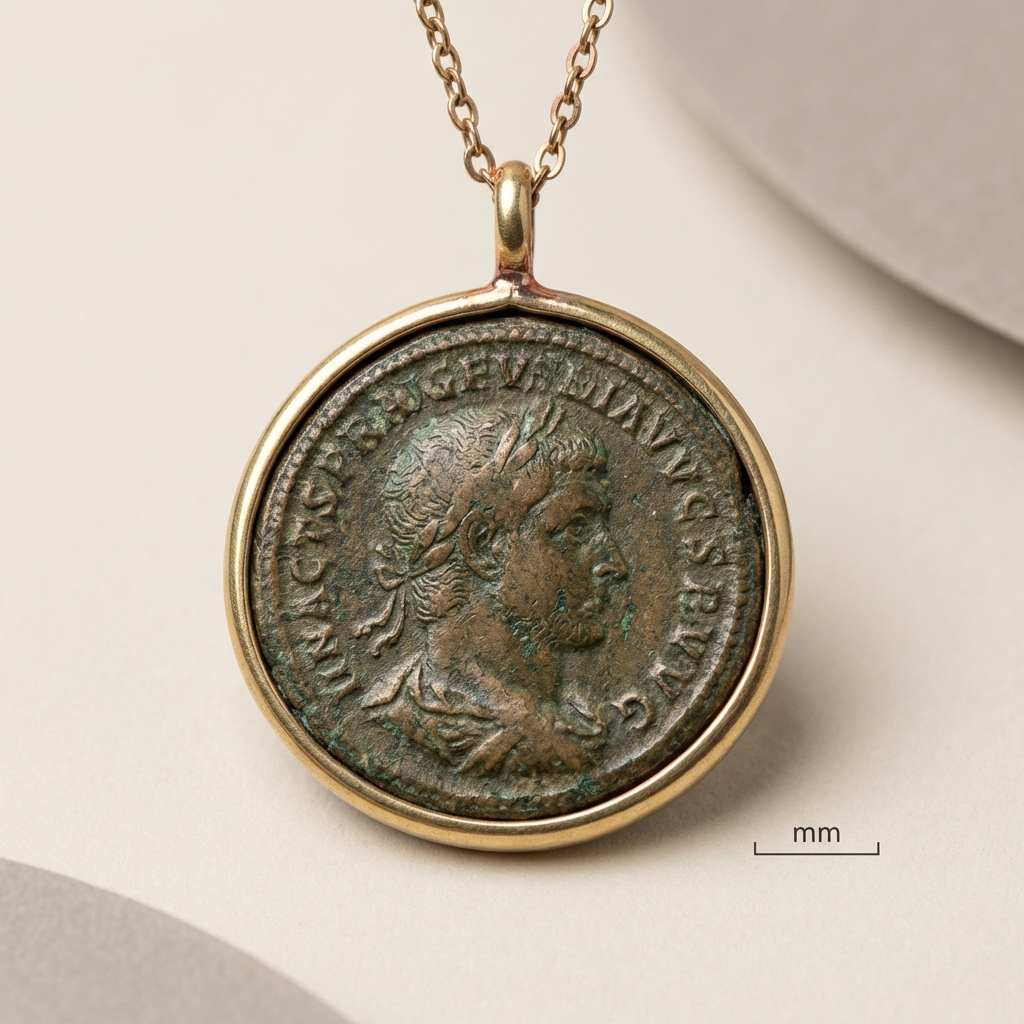
Good documentation helps both legal reporting and future collecting: photograph obverse and reverse at useful resolutions, include a scale and a note of orientation, and record the find circumstances such as depth, soil type, and associated objects. Such information is valuable for PAS records and for buyers who want reliable provenance and clear condition notes Object ID, International Council of Museums.
Condition notes should describe observable features without making untested claims: note patina, corrosion, visible stabilisation, broken bezels or mountings, and any restoration or mechanical consolidation performed by a conservator. Restoration notes should state what was stabilised or repaired and what was left untouched, using neutral language that helps future curators and buyers assess the object.
Provenance statements tied to PAS or museum records are the strongest form of documented background; when available, they give credible collection history and reduce uncertainty for collectors, but they do not replace statutory reporting duties where those apply. Ask sellers for explicit documentation and written records rather than relying on verbal statements.
Decision criteria for collectors: when to report, when to seek advice, when to buy
Collectors should use a short decision checklist based on age, number, and context: if items are older than 300 years and were found together, or if a purchase includes multiple coins from a single documented find, pause and request documentation or seek advice from a local finds liaison officer before completing a transaction Portable Antiquities Scheme treasure and reporting guidance.
Questions to ask a seller include: where and when were these coins found, was a PAS entry or coroner report made, are there clear condition notes and restoration details, and is there a documented collection history? Written answers and any linked PAS or museum entries provide a much stronger basis for purchase decisions than oral assurances, and you can follow up with the seller or contact page for further documentation.
If you are unsure whether an item requires reporting, contact the local heritage authority or finds liaison officer rather than attempting to resolve legal questions yourself; they can advise on likely classification and on any paperwork or temporary restrictions that may apply to a transfer of ownership.
Common mistakes and legal pitfalls when assessing coin groups
One frequent error is cleaning or dispersing coins before seeking advice: cleaning can remove diagnostic surfaces and trace evidence, while separating or selling items from the same find can complicate later reporting and provenance reconstruction. Preserve context and avoid cleaning until experts advise otherwise Archaeological materials, Icon, The Institute of Conservation (UK).
Another pitfall is assuming private ownership automatically applies: ownership can depend on where the find was made, landowner rights, and the outcome of any statutory inquest or reporting process. For this reason, collectors and sellers should favour written records and PAS entries over informal claims of provenance.
Finally, relying on verbal provenance or undocumented seller statements can create legal and ethical problems later; insist on clear condition notes, restoration histories, and any official reporting references before finalising significant purchases of grouped coins or coin-based jewellery.
Practical scenarios: small detector finds, group lots, and declared hoards
Scenario A, a few coins found together: if you or a detectorist finds three or four coins in close association, preserve context, photograph in situ, and contact the local finds liaison officer for advice; even small clusters can be archaeologically meaningful and may need recording under local procedures Portable Antiquities Scheme treasure and reporting guidance.
Scenario B, multiple coins bought as a lot: when a seller offers several ancient coins as a single lot, request documentation showing how they were acquired, any PAS or coroner reports, and written condition and restoration notes. If the lot originates from an unrecorded field discovery, proceed cautiously and seek professional advice before clearing the items for sale or export.
Scenario C, a large discovered hoard reported to PAS: for substantial finds, professional archaeological oversight is normally arranged, finds are recorded systematically, and museums may express acquisition interest; in England and Wales the PAS and coroner process provides a structured pathway for these steps and for valuation considerations Portable Antiquities Scheme treasure and reporting guidance.
Provenance, documentation and buying roman coin jewelry responsibly
Credible documentation for ancient coins and coin-based jewellery typically includes find records, PAS entries, previous collection history, clear condition notes, and any conservator restoration notes; these elements help buyers evaluate an item without making claims beyond what the documents show (see our Roman Empire blog for related posts).
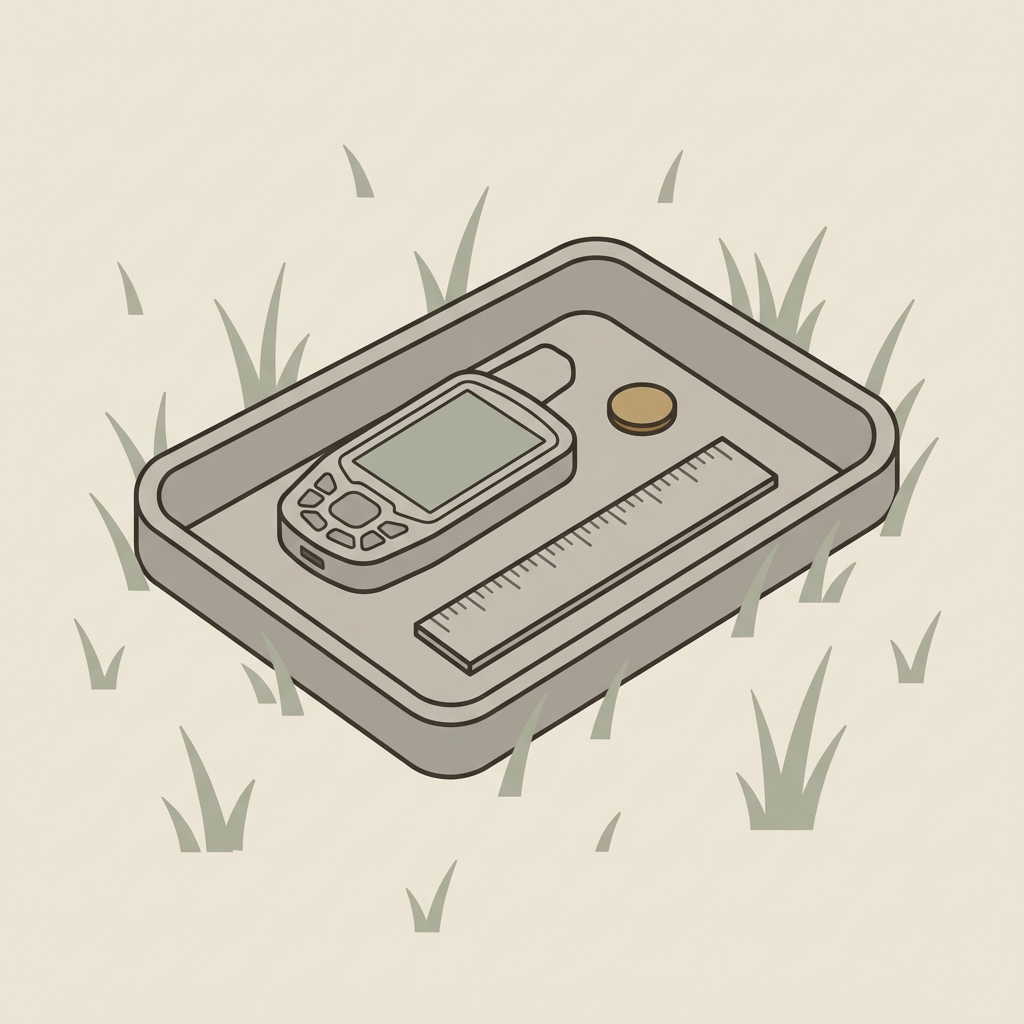
A PAS record or museum accession entry that links an object to an identified find strengthens a buyer’s confidence because it preserves the provenance chain; however, documented provenance does not negate reporting duties where they apply, and buyers should ask sellers for copies of any entries or official correspondence related to the object.
Aurora Antiqua presents select items with transparent condition notes, restoration notes, and collection history when available to help collectors assess pieces responsibly, and buyers should prefer sellers who supply this level of documentary detail rather than relying on unsourced claims.
Conclusion: next steps for finders and collectors
Key takeaways: preserve context, avoid cleaning, photograph finds with scale and GPS where possible, keep groups together, and contact the Portable Antiquities Scheme or the appropriate local authority for your jurisdiction to begin the reporting process when statutory thresholds might apply Portable Antiquities Scheme treasure and reporting guidance. See also Report treasure on GOV.UK.
Remember that numeric thresholds like the UK Treasure Act’s age and coin-count rules are statutory triggers for reporting, and that procedures vary in devolved UK jurisdictions and internationally; when in doubt, seek local museum or finds liaison officer advice and rely on documented provenance for any purchases of grouped coins or coin-based jewellery.
Aurora Antiqua aims to be a curator-style resource for collectors, emphasising clear documentation and condition notes to help buyers make informed decisions, but buyers should always verify local legal obligations and PAS records where relevant.
It depends on jurisdiction and the age and number of coins. In England and Wales the Treasure Act applies to objects over 300 years old and specific numeric or metal-content thresholds. When unsure, document the find and contact your local finds liaison officer for guidance.
No. Cleaning can remove important archaeological evidence and harm provenance. Keep coins as found, photograph them, and seek advice from the appropriate authority before any conservation work.
Ask for find records, any PAS or museum entries, clear condition notes, restoration notes, and written collection history when available. Written documentation is preferable to verbal claims.
Browse the Aurora Antiqua catalogue
Every piece is independently identified, dated, and documented. Shipped insured from Belgium with DHL Express, free within the EU.
More from Aurora Antiqua
References
- Treasure Act 1996, The National Archives, legislation.gov.uk
- Treasure Act 1996, The National Archives, legislation.gov.uk (King's Printer of Acts of Parliament)
- Report treasure, GOV.UK, UK Government
- Internet Archaeol. 33. Bland. Response: the Treasure Act and Portable, Internet Archaeology, University
- The Portable Antiquities Scheme and the Treasure Act, Papers from the Institute of Archaeology, UCL Institute
- Coin Hoards of the Roman Empire, University of Oxford
- Coin Hoards of the Roman Republic, American Numismatic Society and University College London (Kris Lockyear)
- Object ID, International Council of Museums
- Archaeological materials, Icon, The Institute of Conservation (UK)
From Aurora Antiqua
We sell authenticated ancient & medieval pieces, each individually examined before listing and backed by a Lifetime Authenticity Guarantee. One of a kind, sold once, never reproduced.
Browse Ancient Roman Coins →