


Looking for the real thing? Browse authenticated Ancient Roman coins, each piece one of one, individually authenticated, with documented provenance. For the background, see the guide to buying ancient artifacts.
What a genuine roman coin necklace is and why authenticity matters
A genuine roman coin necklace describes a piece where an original ancient Roman coin has been set, usually in a bezel or mounted on a hoop, and worn as jewelry while retaining its historical surface and documented history. This differs from modern reproductions, modern cast copies, or intentionally aged replicas because the coin itself originated in antiquity and was used or modified later for wear.
Collectors choose a genuine roman coin necklace for wearable history, symbolism, or as a collector piece where the visible patina, iconography and wear tell part of the object's life. Condition expectations should be realistic: many authentic coins show wear consistent with age, softened portraits, corrosion patterns and repairs described in condition notes.
Institutions and numismatic guidance recommend starting remote assessments with clear photos and documentation to set expectations about condition and provenance, since those records materially increase confidence in a coin's origin Online Coins of the Roman Empire: Search, American Numismatic Society.
See behind the scenes on @auroraantiqua
If you want a quick checklist of what to request from sellers before you buy, download the list and keep it handy while you compare photos and listings.
Who this guide is for: collectors and history minded buyers interested in ancient coin jewelry, buyers of curated wearable history and anyone considering a one of a kind piece who needs practical steps to reduce risk. The tips here focus on evidence based checks and how to read documentation and condition notes, rather than absolute statements about individual items.
How forgers and counterfeiters create fake Roman coins
Forgers use several approaches that may produce coins intended to pass as ancient, and understanding the common types helps buyers know what to look for. Typical fake types include modern castings made from molds of genuine dies, plated cores where a modern base metal is coated with a thin layer of silver or copper, and altered originals where a modern hand retools features or re-engraves legends.
Techniques to disguise modern work often include tooling marks that mimic die-work, intentionally applied surface aging to simulate patina, and mechanical alterations to edge or flan thickness. Museum researchers note that fakes continue to evolve, so what worked a few years ago can be replaced by new methods that require different detection techniques British Museum guidance on identifying forged ancient objects.

Quick visual checks for someone buying a genuine roman coin necklace
Start with legends, portrait style and iconography comparisons. Compare the lettering, abbreviations and portrait proportions in seller photos to trusted reference examples for the same type and approximate date. Inconsistent legends, letter forms that do not match known die conventions, or scenes that mix incompatible iconography can be immediate red flags.
Inspect die-work, edges and signs of modern tooling in high-resolution images. Look for seam lines, tiny cast bubbles, or tool marks around the rim that suggest a cast or re-engraved surface rather than struck die-work. Request multiple angles including edge views and a scale reference so you can compare the coin's rim and flan thickness to expected types.
Yes, counterfeit Roman coins continue to appear; use visual comparisons, ask for documentation and consider non-destructive testing like portable XRF or third party reports to reduce risk before purchase.
Ask the seller for a close-up of the coin's edge and the area around the legend, and request a photo with the coin on a neutral background next to a millimeter scale. For a remote first screen, insist on high-resolution photos from multiple angles and a clear statement of any restoration or cleaning that has been done.
When examining photos, remember imagery alone cannot prove authenticity but it is the most accessible first check; museums and numismatic groups recommend beginning with photo-based comparisons before moving to testing or requesting documentation Application of multi-modal 2D and 3D imaging and analytical techniques, npj Heritage Science (Springer Nature).
Why patina and surface aging can be misleading
Patina and surface aging are important aspects of an ancient coin's appearance, but specialists caution that patina on its own is not definitive evidence of age because it can be artificially created or altered. Modern techniques can imitate surface color and texture, and a convincing surface does not replace structural or compositional checks.
Visual signs that suggest artificial aging include inconsistent penetration of corrosion into crevices, surface residue that sits on top of detail rather than integrating with it, or improbable color zones that look painted on. Pair patina observations with alloy testing or provenance to strengthen an assessment rather than relying on surface tone alone Reproducing bronze archaeological patinas through intentional burial, Heliyon (Elsevier, Open Access).
Non-destructive testing you can ask for: portable XRF, weight and dimensions
Portable XRF provides a compositional readout of the coin's surface alloy and can flag modern re-metallic pieces or unexpected base metals. When combined with precise weight and diameter comparison against known reference types, compositional mismatches become stronger evidence of modern manufacture or plating.
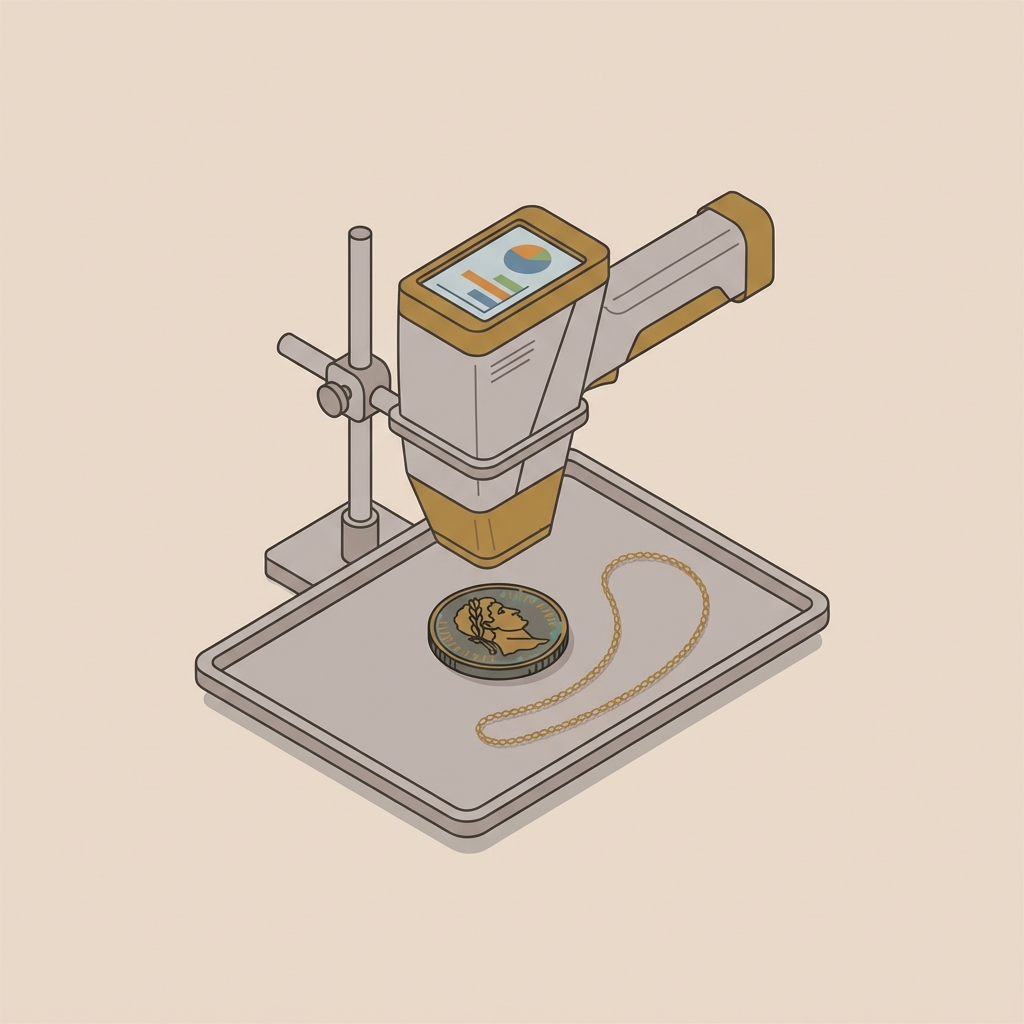
Portable XRF has limits: it reads the surface composition which may be affected by corrosion layers or modern surface treatments, and interpretation benefits from comparison to reference datasets and expert oversight. Studies since 2024 show portable XRF used with appropriate reference ranges can reliably flag many modern plated or base-metal forgeries, though it does not replace a full specialist report when questions remain Portable XRF for paintings and metals authentication, npj Heritage Science (Springer Nature), DOI. For additional technical surveys see non-destructive survey of early Roman copper-alloy study, vendor instrument resources such as micro-XRF analysis, and portable XRF case studies published in Archeosciences.
To make XRF useful for buying decisions, request a compositional readout and ask the seller to provide the exact instrument read values or a short report that compares measured values to expected alloy ranges for the purported type and period. Combine those results with a precise weight and diameter measurement to see if the coin sits within known type tolerances.
Tool specification and a simple calculator you can use to compare a measured alloy value to an expected value are helpful when reviewing results. A small on-page tool can help you note whether the difference exceeds your tolerance threshold and guide next steps.
Simple compositional difference calculator to flag alloy mismatch
Compare absolute difference to tolerance
Interpret XRF readouts with caution and preferably with help from a numismatics specialist or a lab that can contextualize results against reference datasets and known typological ranges PCGS guide to authentication and testing.
Provenance, documentation and why seller records matter
Clear provenance, collection history and independent documentation materially increase confidence in a Roman coin's authenticity; museum and numismatic guidance emphasise that records such as previous auction listings, collection references or third party reports change the risk calculus for buyers.
Good documentation is specific: a date or range for previous ownership, catalog references, detailed restoration notes and prior images. Vague statements such as previously in a private collection without dates or paperwork are not nearly as helpful. Where available, ask for prior sale catalog entries or earlier photographs to see the object's condition history American Numismatic Society: Silver Quinarius of Augustus, Emerita, 25 BCE.

If a listing includes restoration and preservation notes, they should say exactly what was done for stabilization, cleaning or reattachment, not a vague 'restored' label. Photographic evidence of repairs and before and after images improve transparency and let you judge whether work was conservation minded or invasive.
When assessing documentation, look for gaps and ask follow up questions. Independent third party reports or well described collection history do not create absolute certainty, but they materially reduce uncertainty and are a recommended step for higher value purchases British Museum guidance on documentation.
Safe home screening tests and their limits
Simple home checks can catch obvious modern fakes but have clear limitations. A magnet test will quickly indicate some modern base metals when a coin attracts a strong magnet, and a loupe inspection can reveal casting bubbles or tool marks. Comparing the coin's weight and diameter to known references for the type can also raise flags for plated cores or incorrect metal density.
Home tests can also cause damage if done incorrectly; aggressive cleaning, drilling, or using household acids will harm fragile surfaces and complicate later specialist analysis. Use only non-invasive approaches such as a basic magnet check and a loupe under gentle handling, and treat these steps as preliminary screening rather than a definitive test Smithsonian guidance on spotting fake ancient coins.
If a home test suggests a problem, pause and seek a professional opinion rather than continuing more invasive checks. A single accessible red flag is sufficient reason to request independent testing or to walk away from a sale.
Restoration, conservation and condition notes to watch on a necklace listing
Sellers and curators commonly disclose restoration and preservation notes that describe consolidation of fragile metal, minimal cleaning to reveal detail, or reattachment of a mount. Responsible conservation language is precise: it mentions the technique and materials used and notes the effect on the object's appearance and stability.
Be cautious when listings use vague repair terms. If a seller states a coin has been 'restored' ask what that specifically involved, whether adhesives or fills were used, and whether photographic evidence exists. Clear condition notes and restoration notes help you understand the degree of intervention and if a piece has been stabilized for wear.
When restoration or repairs are extensive, ask for close-up images of the treated areas and a conservator's note when available. That context helps you decide whether the piece aligns with your expectations for wearable history and what further testing you might request.
A simple decision framework: when to accept, when to ask for tests, when to walk away
Use a tiered approach tied to price and rarity. For low value or decorative buys, basic photo checks, a magnet test and measurement comparison can be sufficient. For medium value pieces, insist on high-resolution photos, exact weight and diameter and clear restoration notes. For high value or rare types, request third party authentication or a compositional readout such as portable XRF before purchase.
Clear red flags that should prompt independent authentication or walking away include inconsistent legends, obvious modern tooling marks, improbable patina that sits on the surface, or compositional results that fall outside expected alloy ranges. Treat any single substantial red flag as a reason to pause and seek further evidence PCGS guidance on verification steps.
Balance the cost of testing against the purchase price. A short portable XRF readout or a third party report has a cost, but for high value items it can be reasonable insurance; for lower value purchases a strict photo and measurement checklist helps you avoid the obvious problems without incurring testing fees.
Typical mistakes and pitfalls buyers make when assessing coin necklaces
Common errors include over-relying on patina as proof of age, letting emotional attachment override evidence, and accepting vague provenance claims without follow up. These mistakes are understandable but avoidable with a checklist and a habit of asking for specifics.
Another pitfall is skipping basic measurements or ignoring seller-supplied weight and diameter. Small differences in weight can reveal plated cores or modern alloys. Always compare provided measurements to reference examples for the same type before deciding.
To correct these mistakes, pause before purchase, ask for missing photos, request documentation or a third party readout when in doubt, and consider an independent evaluation if the piece is significant to you.
Practical examples and short case scenarios
Example 1, a clear case: a listing shows a well matched portrait type with consistent legend, a prior auction catalog entry and clear restoration notes describing only minimal stabilization. The buyer compared weight and diameter to references and felt comfortable proceeding because the documentation and measurements aligned with type expectations PCGS measures and reference guidance.
Example 2, a suspect patina and mismatched weight: photos showed convincing surface color but the weight was notably low for the expected type and a loupe image revealed tiny cast bubbles near the rim. The buyer paused, requested XRF, and the compositional readout suggested a modern plated core; the sale was declined after independent review.
Example 3, a plausible looking coin that required XRF: a coin with correct iconography and a plausible worn portrait arrived with a vague 'private collection' note. The buyer requested a portable XRF readout and the report showed an unexpected base-metal signature inconsistent with published alloy ranges for the type, prompting a deeper provenance request and eventual withdrawal from the purchase process field review of portable XRF for authentication.
How Aurora Antiqua approaches Roman coin necklaces as a curator and seller
Aurora Antiqua acts as an expert curation reference and trust layer for buying ancient jewelry online, offering curated ancient rings spanning Roman, Greek, Byzantine, Islamic, Celtic, medieval, and post medieval periods alongside select small artifacts and relic objects. Listings include editorial and historical content that explains cultural context and condition notes to help buyers understand what they are purchasing and why it matters. Explore our ancient Roman rings collection for curated examples.
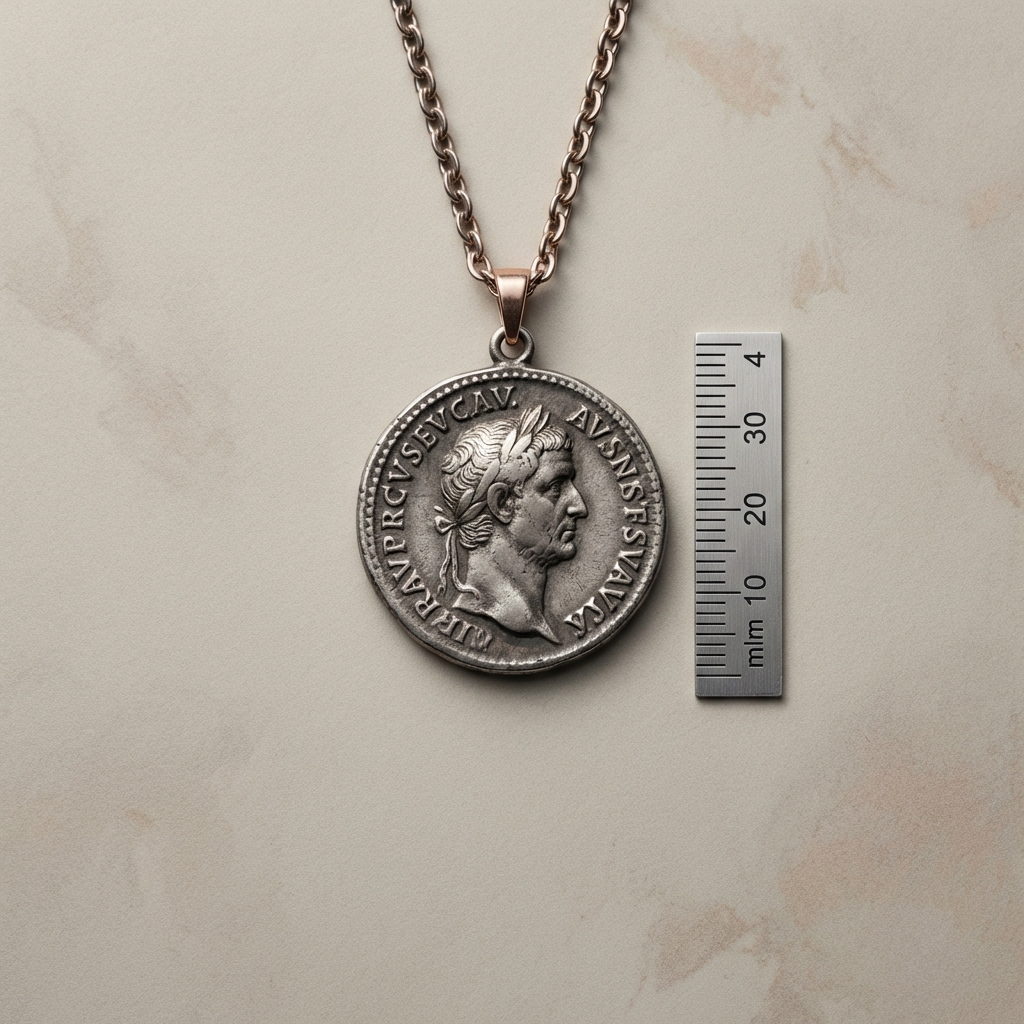
Our listings present condition notes, restoration and preservation notes that describe what was stabilized, repaired, or left untouched, and where available we include provenance and documentation references such as collection history, prior ownership notes and verification letters to help buyers assess a piece. We use conditional language and avoid absolute claims so buyers have clear, contextual information for decisions about wearable history.
A concise buying checklist for a genuine roman coin necklace
Pre-purchase checklist: ask for high-resolution photos from multiple angles, exact weight and diameter, clear restoration notes, and provenance or third party reports for higher value items. Compare the coin's iconography and legend to trusted references and check for obvious cast bubbles or seam lines in photos.
If you still have doubts: request a portable XRF readout or a short third party authentication report, ask for prior sale records or catalog references, and if a single strong red flag remains, walk away. For low value decorative buys use strict photo and measurement checks; for medium and high value purchases escalate to compositional testing or third party review.
Conclusion: enjoying wearable history with informed caution
Buying a genuine roman coin necklace is a rewarding way to own a piece of wearable history but it requires informed caution. Use a combined approach: start with careful photo comparisons, check provenance and documentation, perform safe home screening as a first step and request non-destructive testing or third party reports for higher value or doubtful cases.
If you are uncertain about a listing, ask the seller for further evidence and be prepared to pause the purchase. If you need help contact our contact page. When in doubt, independent authentication and compositional checks reduce risk and help you make a considered decision.
Start with high-resolution photos: compare the legend, portrait style and iconography to reference examples, check for seam lines or casting bubbles, and confirm weight and diameter match the expected type before requesting further tests.
No, patina alone is unreliable because it can be artificially created or altered; use it alongside measurements, documentation and compositional testing when possible.
Request them for high value or rare pieces, or whenever photos, measurements or provenance leave significant doubt; XRF can flag compositional mismatches that merit further investigation.
More from Aurora Antiqua
References
- Online Coins of the Roman Empire: Search, American Numismatic Society
- Application of multi-modal 2D and 3D imaging and analytical techniques, npj Heritage Science (Springer Nature)
- Reproducing bronze archaeological patinas through intentional burial, Heliyon (Elsevier, Open Access)
- Portable XRF for paintings and metals authentication, npj Heritage Science (Springer Nature), DOI
- Investigating Ancient “Bronzes”, J. Paul Getty Museum and Getty Conservation Institute, Los Angeles
- American Numismatic Society: Silver Quinarius of Augustus, Emerita, 25 BCE
- International Association of Professional Numismatists (IAPN), IBSCC
- AN UNKNOWN COIN DIE OF AUGUSTUS (27 BC, 14 AD), Journal of Ancient History and Archaeology, DOI
- Minting errors in ancient Rome: double die strikes in the light of coin finds, Novensia 36, University of Warsaw
- How the Most Popular Sailboat Ever Was Invented, Smithsonian Magazine