


Looking for the real thing? Browse genuine Roman coins for sale, each piece one of one, individually authenticated, with documented provenance. For the background, see the guide to buying ancient artifacts.
What is a roman coin ring and why the law matters
A roman coin ring typically refers to an ancient ring that incorporates a Roman coin, or to a coin that has been adapted into jewelry by mounting it as a bezel or setting. Collectors use the term to describe wearable items where an ancient coin forms the central motif of an ancient ring or a later conversion into jewelry. The physical signs to note include the coin's patina, signs of wear consistent with age, and whether the coin or setting shows modern repairs or restoration notes.
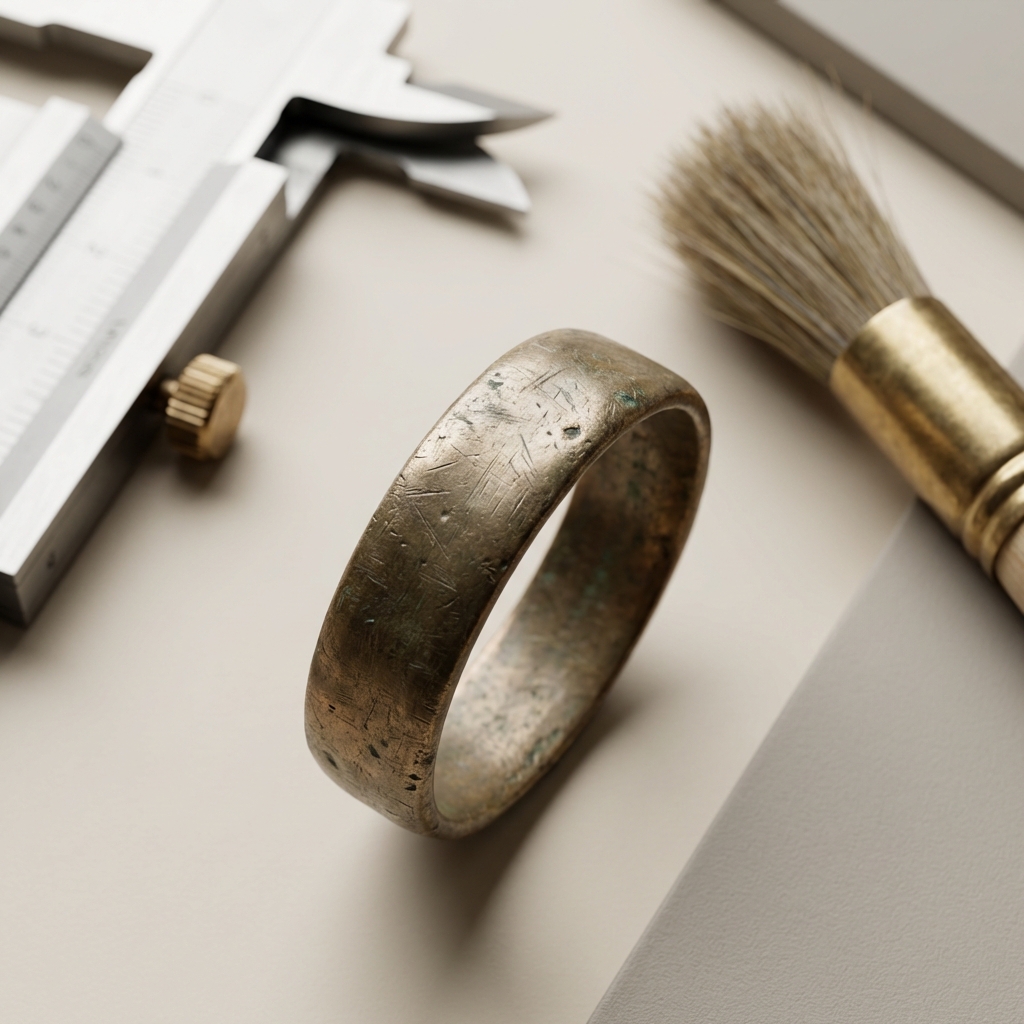
The legal treatment of a roman coin ring often depends less on its appearance and more on how the coin entered the market. A coin discovered during an archaeological find or by a metal detector in situ can be subject to statutory reporting duties and state claims, while a coin already offered by a reputable dealer with a documented provenance is usually treated as market property. This distinction matters because different legal regimes treat newly discovered finds and circulating market items very differently.
International rules that shape roman coin ring ownership
The primary international instrument that states commonly cite to justify import or export restrictions on cultural goods is the 1970 UNESCO Convention, which seeks to prevent illicit trafficking in cultural property and provides a framework for national safeguard measures and cooperative enforcement Regulation (EU) 2019/880 on the introduction and the import of cultural goods, EUR-Lex (Official Journal L 151/1).
That international framework does not create a single global ownership rule. Instead, states implement obligations from the convention through national laws, export controls, and often bilateral agreements that set conditions for importation and return. Because implementation varies, the same roman coin ring may move freely in one jurisdiction but face limits or documentation requirements in another.
@auroraantiqua behind the scenes and provenance tips
Before completing a cross-border purchase, review the provenance checklist below and ask the seller for export paperwork and any available collection history.
For a buyer, practical implications include checking whether the seller can show an export permit, whether a coin was publicly recorded as a find, and whether the destination country has specific import restrictions. Uneven enforcement and variable definitions of what counts as a new find or cultural object can create legal uncertainty for cross-border purchases, so proactive documentation reduces risk.
How the law treats finds versus market coins: the practical distinction
Many countries draw a legal line between coins that are recently discovered and coins already circulating through the market. A coin found in situ often triggers reporting duties under local treasure or heritage laws and may become state property or enter a formal valuation process, while market-available coins are more commonly treated as private property when accompanied by documentation.
Even when a coin is offered commercially, import or export controls can still apply if provenance or export paperwork is missing. A buyer importing a coin without proper export documentation can face seizure or delays under national import rules, because customs authorities use provenance and paperwork to assess lawful export from the country of origin.
Practical guidance is to treat any coin described as a recent find with caution and to request evidence of registration or reporting. If a seller claims that an item was found years ago but cannot show paperwork or a recorded find entry, pause and seek verification before completing a purchase.

United Kingdom: reporting, Treasure, and what collectors need to know
In the UK, the Treasure Act and associated Code of Practice create a legal duty to report certain found objects, and they set out a process that can lead to museum acquisition of reported treasure. Finders and dealers therefore must follow reporting and valuation procedures when items meet statutory thresholds Report treasure, GOV.UK, UK Government.
The Portable Antiquities Scheme provides a public reporting channel and a searchable record for finds, which helps establish whether a coin was recorded as a find and what information was submitted when it was reported Treasure and the Portable Antiquities Scheme.
Check reporting requirements and record a find with the Portable Antiquities Scheme
Use local PAS guidance before acting
For collectors and buyers in the UK, ask whether a coin or roman coin ring was recorded with the Portable Antiquities Scheme and request any documentation the finder or seller can provide. If an item was a reported find, museum interest can arise and ownership can transfer following statutory procedures, so documentation helps both legal clarity and ethical collecting practice.
Italy: state ownership and strict export controls
Italian cultural-heritage law treats many antiquities discovered within the national territory as cultural goods that may fall under state ownership or protection. That legal framework leads to strict export controls and permit requirements for objects leaving Italy, particularly for items judged to have cultural significance DECRETO LEGISLATIVO 22 gennaio 2004, n. 42, Normattiva, Presidenza del Consiglio dei Ministri.
Because of those controls, buyers should be cautious with items originating in Italy if no export permit or documentation is provided. Sellers who list italian-origin coins without Italian export paperwork expose buyers to a higher risk of export refusal or seizure when attempting to move the object across borders.
Practical buyer steps include requesting export permits that show lawful removal from Italy, asking for any conservation or restoration notes, and confirming whether the seller can produce clear provenance information tracing the item out of Italy in compliance with national rules.
United States: market ownership, import rules, and bilateral agreements
In the United States, private ownership of Roman coins purchased on the commercial market is commonly legal, but importation can be restricted if export documentation from the country of origin is missing. The U.S. Department of State administers cultural property import restrictions and works with partner states to enforce controls under national implementing measures Current Agreements and Import Restrictions, United States Department of State, U.S. Department of State, Bureau.
One of the key tools for restricting imports is national implementing legislation and bilateral agreements that the United States uses to limit entry of cultural property from specified countries when there is concern about illicit excavation or export. These measures mean that even a legally owned market coin abroad can be refused entry when provenance is unclear.
Buyers importing a roman coin ring into the United States should therefore request seller documentation that supports lawful export from the country of origin, and consider whether the item could fall within a restricted category under current bilateral agreements. When paperwork is absent or ambiguous, consult customs guidance or a legal adviser to reduce the risk of seizure at the border.
Provenance, paperwork, and a simple checklist to reduce legal risk
Good provenance and clear paperwork are the practical safeguards that reduce legal and ethical risk when buying an ancient ring or coin. Key documentation to request includes a sales history, prior collection history or exhibition records, any export permit issued by the country of origin, and written condition and restoration notes from the seller or conservator.
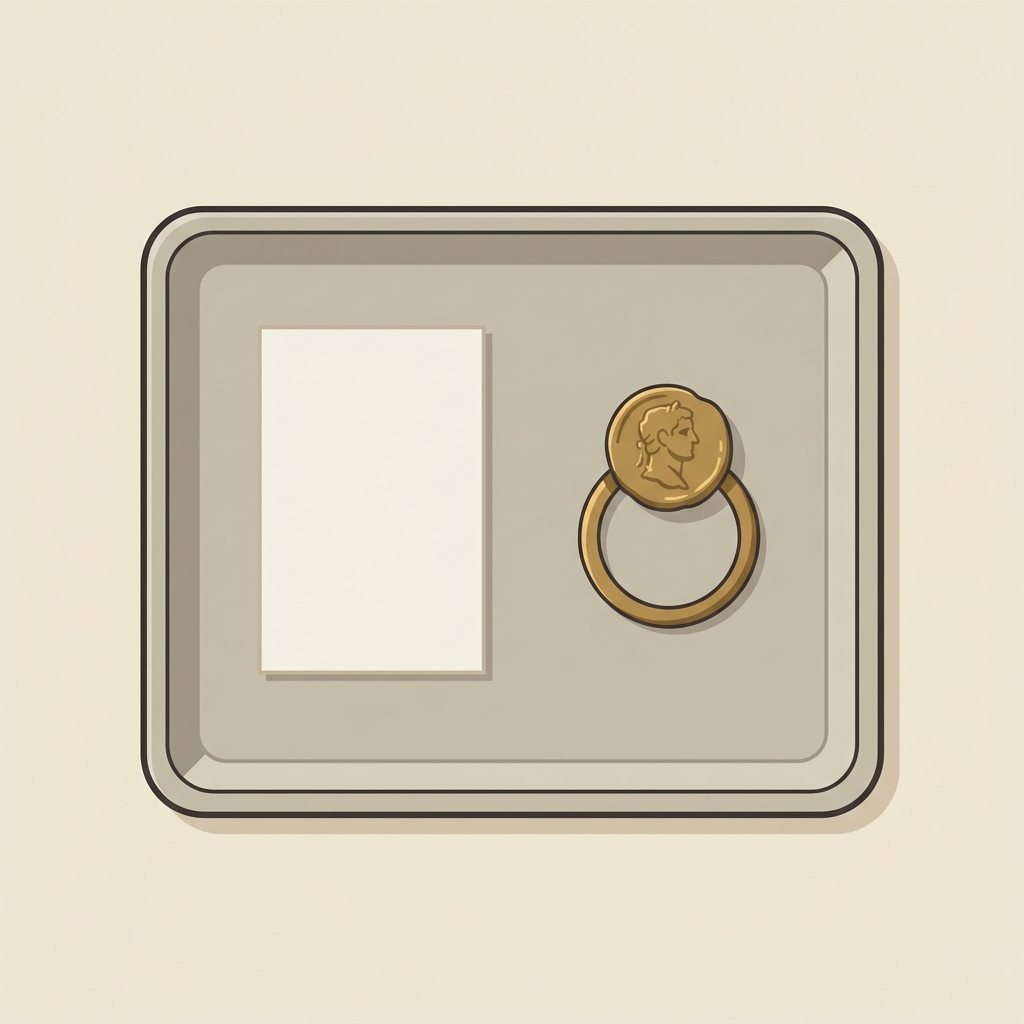
Professional numismatic guidance emphasizes that market-available ancient coins should come with transparent provenance and export or import paperwork where appropriate, and that sellers who cannot provide those items create higher risk for buyers About us, International Association of Dealers in Ancient Art. IAPN has also urged attention to protections for Roman coin collecting.

Below is a simple step-by-step checklist to follow before you complete a purchase: 1) Determine if the item was a recorded find or a long-established market piece. 2) Ask for sales history and collection references. 3) Request any export permits or customs paperwork. 4) Verify restoration and condition notes. 5) Where cross-border import is involved, check the destination country's import rules. This sequence helps you weigh legal and ethical risk before finalizing a purchase. For details on identifying authenticity, see our guide on how to tell if a roman coin is real.
Common legal pitfalls and red flags when buying a roman coin ring
There are recurring red flags that should prompt caution: missing or vague provenance, sellers who decline to provide a chain of custody, claims that an item was a private find without supporting paperwork, or listings that lack clear condition and restoration notes. These issues increase the risk that an item could be seized or subject to a legal claim after purchase.
Ownership depends on where and how the coin entered the market; many market-sold Roman coins can be legally owned by private individuals, but finds discovered in situ, items originating from countries with strict cultural-heritage controls, or imports without export documentation can be restricted or subject to seizure.
Another common pitfall is mislabelled origin or the absence of export paperwork for items said to come from jurisdictions with strict controls, such as Italy. In those situations, a conservative approach is to pause the transaction until the seller can show lawful export documentation or a verifiable collection history.
If you encounter these red flags, practical steps include asking for more documentation, requesting time to verify references, and consulting a professional advisor or national authority when the provenance is unclear or the value and risk justify legal review.
Practical scenarios: buying, importing, and questions to ask sellers
Scenario A, buying locally from a dealer: Ask whether the coin or ring was part of a known collection, request written condition and restoration notes, and ask to see any sales invoices or prior provenance entries. If the dealer describes the coin as a reported find, request the find reference or PAS entry where relevant.
Scenario B, importing a coin from another country: Before payment, ask the seller for the export permit or customs paperwork that shows lawful export. Also check whether the destination country has specific import restrictions that apply to ancient coins, and consider hiring a customs broker or legal adviser if paperwork is unclear.
Scenario C, being offered a newly discovered coin: Treat this as a potential find and do not assume private sale is lawful. For finds, reporting duties or national treasure rules may apply, so encourage the finder or seller to follow local reporting procedures and obtain any necessary export permissions before attempting to sell internationally.
Conclusion: practical next steps and when to get legal help
Key takeaways are straightforward: determine whether the item was a recent find or a market piece, request clear provenance and any export documents, check relevant national import rules, and pause if documentation is missing. These steps help reduce legal and ethical risk when purchasing a roman coin ring or similar antiquity.
Aurora Antiqua can serve as a curated reference and will supply condition notes, restoration notes, and provenance references when available, but buyers should still verify documentation independently and consider legal advice for high-value or ambiguous items. When in doubt about cross-border movement or unclear provenance, consult national authorities or a qualified lawyer before completing the transaction.
Often yes if it is offered on the commercial market with clear provenance and export documentation, but import rules and bilateral restrictions can still apply; always request paperwork and check destination-country rules.
Ask for sales history, prior collection references, export permits if from a country with strict controls, condition and restoration notes, and any registration information if the item was a reported find.
Follow local reporting laws and schemes for finds, do not offer the item for sale until reporting obligations are met, and consult the local heritage authority or finds reporting service for guidance.
More from Aurora Antiqua
References
- Regulation (EU) 2019/880 on the introduction and the import of cultural goods, EUR-Lex (Official Journal L 151/1)
- Report treasure, GOV.UK, UK Government
- Treasure Act 1996, The National Archives, legislation.gov.uk (King's Printer of Acts of Parliament)
- Treasure Act 1996, The National Archives, legislation.gov.uk
- DECRETO LEGISLATIVO 22 gennaio 2004, n. 42, Normattiva, Presidenza del Consiglio dei Ministri
- Current Agreements and Import Restrictions, United States Department of State, U.S. Department of State, Bureau
- eCFR, Office of the Federal Register and Government Publishing Office
- About us, International Association of Dealers in Ancient Art
- Regulations.gov
Browse the Aurora Antiqua catalogue
Every piece is independently identified, dated, and documented. Shipped insured from Belgium with DHL Express, free within the EU.
From Aurora Antiqua
We sell authenticated ancient & medieval pieces, each individually examined before listing and backed by a Lifetime Authenticity Guarantee. One of a kind, sold once, never reproduced.
Browse Ancient Roman Coins →