


Looking for the real thing? Browse our Roman coin collection, each piece one of one, individually authenticated, with documented provenance. For the background, see the guide to buying ancient artifacts.
What a roman coin ring is and why the law treats coins differently
A roman coin ring is an item of jewelry that incorporates a coin of Roman date or style into a ring, typically by setting the coin into a bezel, drilling and mounting it on a hoop, or reshaping a coin edge to form the ring surface. Makers often describe intaglio faces, bezels, and hoop work when listing such pieces, and condition notes usually focus on patina and wear consistent with age.
The law treats coins differently depending on three broad categories: modern legal tender still in circulation, archaeological or ancient coins recovered from the ground, and coins that have documented export or ownership histories. Which category applies determines whether defacement statutes, heritage protection laws, or export controls are the primary legal concern; for example, many archaeological statutes make state protection the main legal issue for ancient finds, while defacement laws focus on modern circulating currency National Park Service ARPA guidance.
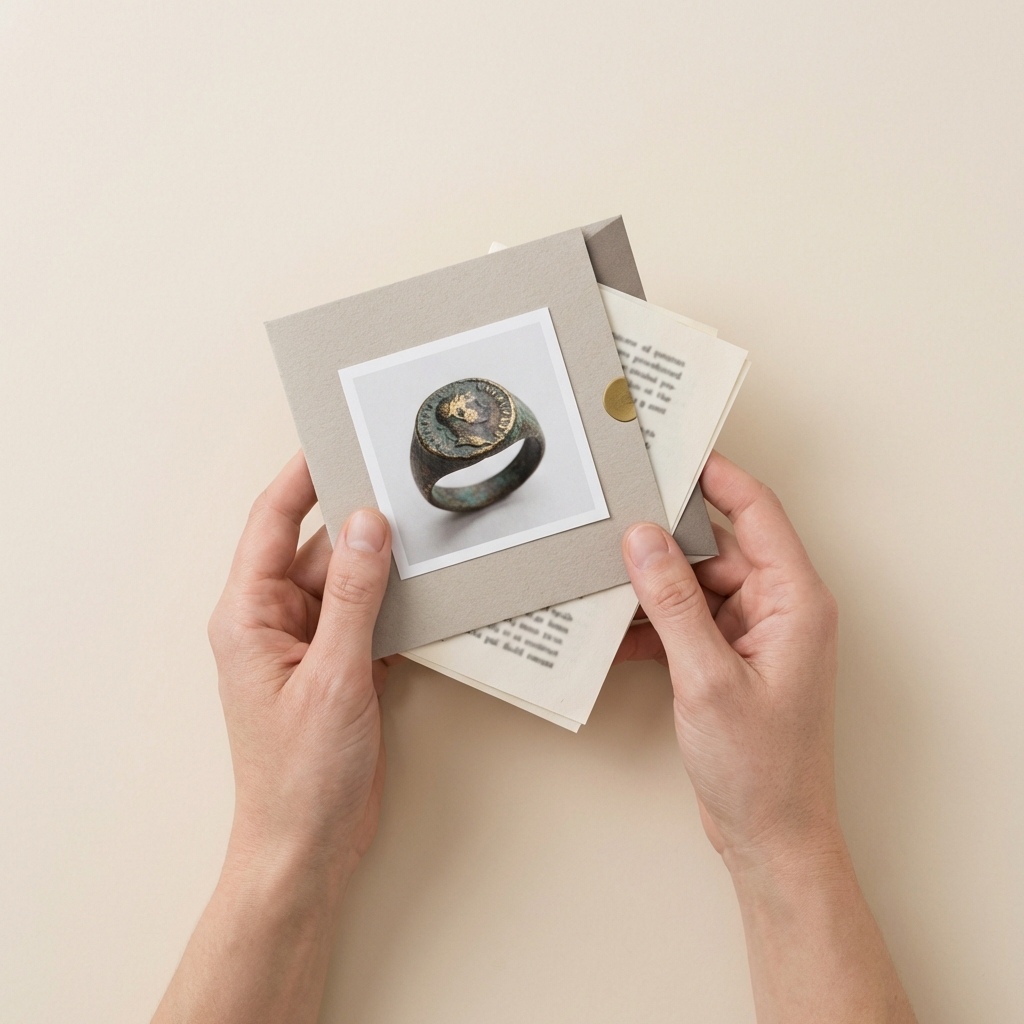
Practically speaking, the same physical object can fall under more than one regulatory regime if its history is unclear. Provenance therefore matters: a well-documented ancient coin with an export licence will present different legal questions than a freshly modified modern coin taken from current circulation. Collectors should treat the coin type and documentation as the first screening question when assessing legal risk.
How modern legal-tender rules and national statutes affect making and selling coin rings
In the United States, federal law criminalizes the deliberate mutilation or defacement of coins when done with intent to render them unfit for reissue; that statutory element of intent is central to how enforcement decisions are made, so converting modern legal-tender coins into rings for commercial sale can carry legal risk depending on purpose and context 18 U.S.C. 7 331 summary.
In the United Kingdom, the Coinage Act creates an offence for certain acts of defacing currency, and prosecutions typically look at context and intent rather than a simple mechanical alteration; turning a current circulating coin into jewellery can therefore raise questions under that statute in some cases Coinage Act 1971 on legislation.gov.uk.
These two examples show the common pattern: national criminal statutes can reach modifications of modern coins, but enforcement often hinges on whether the actor intended to render the coin unusable as currency or to defraud. That makes the legal outcome fact dependent. For workshop makers and sellers this means checking local coin defacement rules and keeping clear records about the source of coins and their demonetization status when applicable.
Follow @auroraantiqua for provenance and behind-the-scenes insights
Check your national coin defacement rules and request provenance or documentation before buying or selling a coin ring; this simple step can reduce legal uncertainty.
If a coin was officially demonetized, removed from legal tender lists, or is a clearly obsolete denomination, some of the currency-related legal risks may be different, but differences in national law and case practice can matter. When in doubt, seek country-specific guidance rather than assuming all demonetized coins are free from legal constraints.
Quick checklist: can you buy, sell or make a roman coin ring?
Start by identifying the coin: is it modern legal tender, an identified ancient piece, or described as a find with unknown export history? This single question directs which legal rules are likely to apply and whether export paperwork or heritage rules need checking.
Ask the seller for provenance details. Useful documents include collection history notes, prior ownership statements, condition and restoration notes, and, where applicable, an export licence or permit number. If the listing is vague about origin or lacks condition notes, regard that as higher risk to the transaction and pause.
When a coin might be archaeological, do not proceed with a sale or modification until export and find rules are resolved. Many national systems require reporting of finds and can restrict sale or export of archaeological material, so a transaction without clear documentation can expose both buyer and seller to legal trouble Exporting or importing objects of cultural interest, GOV.UK, Department for Culture, Media and Sport.
Practical short checklist for immediate use: 1) Identify coin status; 2) Request provenance and condition notes; 3) Ask for export licence if cross-border shipment is likely; 4) If the coin may be a find, pause and seek legal advice. Keep written records of all communications and documents supplied.
Export, import and international rules that commonly affect ancient coin rings
Cross-border trade in ancient coin rings is shaped by national export regimes that commonly reference the UNESCO 1970 Convention as the policy foundation for restricting illicit import and export of cultural property. When countries implement export controls they typically require documentation or licences to move archaeological or heritage items across borders, and shipment without those documents can lead to seizure or return orders Regulation (EU) 2019/880 on the introduction and the import of cultural goods, EUR-Lex (Official Journal L 151/1). See also the UK guidance on historic exports Export of Objects of Cultural Interest and relevant EU guidance EU guidelines.
National lists, permit systems, and customs checks differ by state. In practice that means an apparently ordinary coin ring shipped from one country to another may be held by customs if documentation is missing or if authorities believe the object is an archaeological specimen without proper export permission. Ask sellers for export paperwork and consult the importing countrys guidance before arranging shipment to reduce the chance of border refusal Exporting or importing objects of cultural interest, GOV.UK, Department for Culture, Media and Sport.
Legality depends on the coin’s status and where you are. Modern defacement laws can cover alterations to circulating coin, while archaeological protections and export controls commonly govern ancient coins; request provenance and consult national guidance if unsure.
Because export rules vary, a practical early step for cross-border buyers is to check national guidance or contact the national export authority to confirm whether a licence is needed. Document that enquiry and any written response from the authority; having a clear paper trail is useful if customs later questions the shipment.
When turning coins into rings: defacement, intent and criminal risk
Defacement statutes in many countries turn on intent: authorities look for whether the modification was meant to render a coin unfit for reissue or to use the altered coin in a way that defeats currency controls. In the US statute the element of intent is explicit, so how a maker describes and sells the item can matter to legal analysis 18 U.S.C. 7 331 summary.
This legal focus on purpose helps explain why private keepsakes made from a family heirloom coin may attract less scrutiny than commercial manufacture and sale of large numbers of rings made from modern circulating coin. Commercial scale and advertising for sale can shift an otherwise private act into territory that authorities examine more closely.
Before modifying a coin, document its status, take clear photos, and retain any paperwork showing demonetization or removal from circulation. If you plan to list the finished ring for sale, disclose the coins described status and provide the chain of ownership information the seller has supplied; transparency lowers legal and ethical risk for both parties.
Provenance, documentation and museum ethics for collectors
Collectors should request standard provenance documents: collection history and prior ownership notes, written verification letters when available, condition and restoration notes that describe what was stabilised or repaired, and export licences or permit numbers for cross-border movement. These items form the baseline for assessing legal and ethical risk when a coin is described as ancient or archaeological.
Aurora Antiqua acts as a curatorial reference and explains condition and documentation expectations for ancient rings, and when relevant will note restoration steps, collection history, and any available verification letters

Museums and publicly held collections commonly work under ethical codes that discourage or bar the sale of state or public archaeological material, and professional guidelines expect dealers to exercise due diligence when provenance is incomplete. Items lacking clear documented history therefore carry higher legal and ethical risk and merit additional scrutiny before purchase or resale ICOM Code of Ethics. For broader context on market vulnerabilities to illicit finance see the FATF analysis on art and antiquities Money Laundering and the Art and Antiquities Market.
When provenance documents are supplied, review them carefully for dates, prior owners, and any export or customs records. If a seller cannot provide reasonable documentary provenance for a piece described as an archaeological object, treat the listing as higher risk and consider seeking independent advice before completing a purchase.
Common mistakes and red flags when buying coin jewelry online
Listings that omit provenance, make broad age claims without documentation, or provide inconsistent measurements and photos often hide problems. Vague language such as "ancient style" without specifics is a common red flag; ask for more information and high-resolution images before proceeding.
Condition and restoration cues to watch for include loose bezels, recent solder work that is not disclosed in restoration notes, or patina that appears inconsistent with the surrounding metal. Sellers should provide clear condition notes and indicate any stabilisation or repairs performed on the ring.
Seller communication can reveal issues quickly: unwillingness to provide export paperwork, evasive answers about origin, or refusal to share provenance documentation are practical warning signs. If a seller will not engage with reasonable requests for paperwork, pause the transaction and consider alternate, better-documented listings.
Practical scenarios: buying, modifying and shipping a roman coin ring
Scenario A: buying from an online dealer with provenance documentation. If a dealer supplies clear collection history, condition notes, and an export licence for cross-border sale, a buyer should verify the documents, save copies of correspondence, and follow any country-specific import guidance before shipping. A documented export route significantly reduces the risk of customs seizure, though import rules still apply Exporting or importing objects of cultural interest, GOV.UK, Department for Culture, Media and Sport.
A simple checklist to record provenance and export documentation for a coin ring
Keep digital and paper copies of each item
Scenario B: discover a coin is likely an archaeological find after purchase. If new information suggests a coin was recently recovered from the ground, pause any further transfer and contact the national authority responsible for finds reporting. Many states have treasure or finds procedures that require reporting and can affect legal ownership, so prompt notification and legal advice are important when provenance changes post-sale National Park Service ARPA guidance.
Scenario C: shipping an ancient coin ring between countries. Before shipping, request written export permission from the seller and confirm with the importing country whether an import licence or documentation is required. Customs can detain items that lack paperwork or are on national protection lists, so proactive verification and written records of export approvals help reduce border complications Exporting or importing objects of cultural interest, GOV.UK, Department for Culture, Media and Sport.
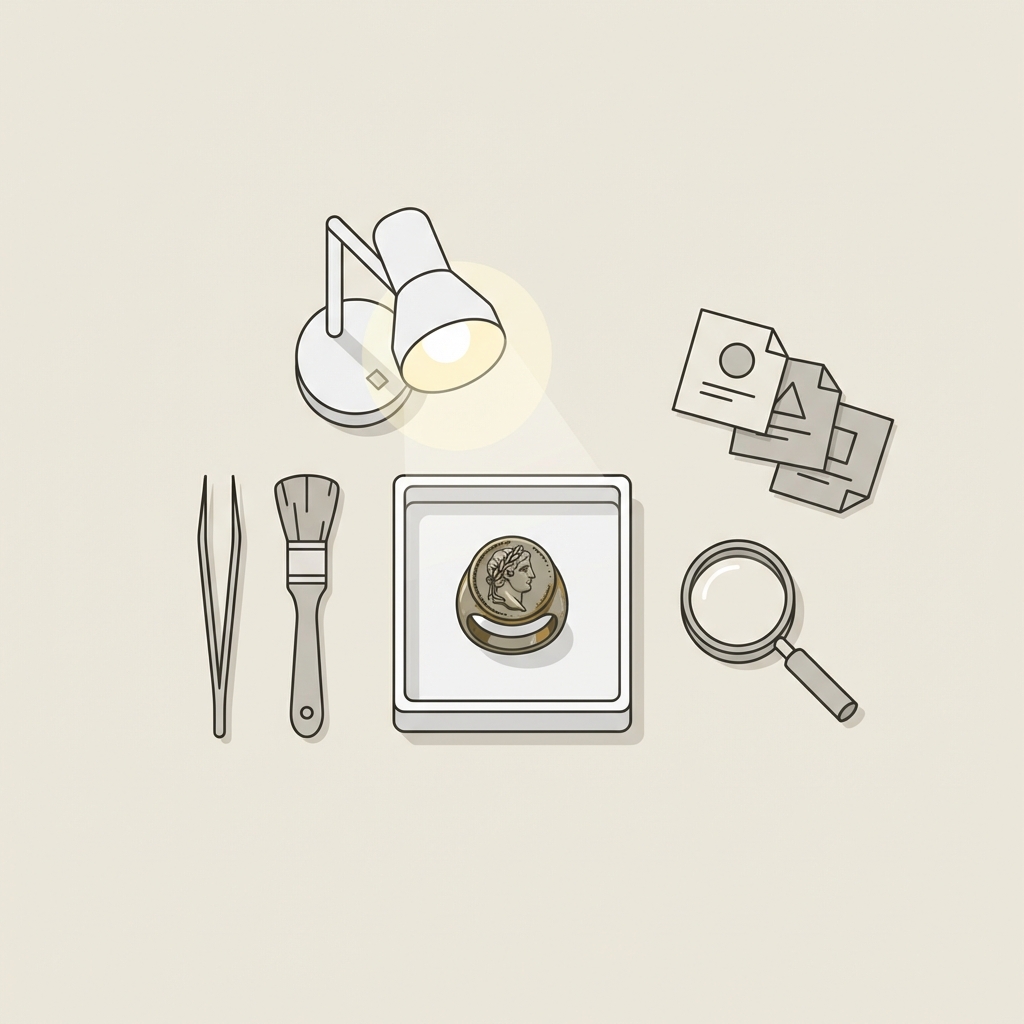
Decision framework: how to decide whether to buy, modify or list a roman coin ring
Step 1. Identify the coin type: modern circulating coin, ancient or archaeological coin, or an object with clear documentation of prior export. This first decision point determines which laws and processes you need to follow.
Step 2. Request and review provenance and condition documents. If the item is described as ancient, ask for collection history, export licences, or verification letters. If documents are provided, verify dates and prior owners and keep copies of all correspondence.
Step 3. If documentation is incomplete or the coin may be a find, pause. Reach out to a national export authority or cultural ministry for guidance and consult a lawyer if necessary. Trigger points for stopping include seller refusal to provide paperwork, evidence the coin was recently recovered from the ground, or lack of export permission for anticipated shipment routes Exporting or importing objects of cultural interest, GOV.UK, Department for Culture, Media and Sport.
When in doubt, document every step. Written records of enquiries to national authorities, copies of export licences, and clear condition and restoration notes create a defensible record if questions arise later. That documentation is also valuable for future resale or collection management.
Conclusion: where to get authoritative guidance and next practical steps
Key takeaways for collectors: classification matters, provenance is central, and cross-border shipments commonly require export paperwork. Before modifying, buying, or selling a roman coin ring, determine the coin type, request clear documentation, and consult national guidance or legal counsel when uncertainty remains.
For authoritative texts, start with country-specific export guidance such as GOV.UKs export licence pages for the UK and the relevant national export authority in your country, and consult primary legal texts like the US federal statute on coin mutilation for domestic questions. Keep careful written records of provenance and export communications to reduce legal and ethical risk if a transaction crosses borders 18 U.S.C. 7 331 summary.
Modifying a modern circulating coin can raise defacement issues because many statutes focus on intent to render a coin unfit for reissue; check your national defacement laws and keep records about the coin source before making or selling a ring.
Request provenance and collection history, condition and restoration notes, and any export licences or verification letters; if the seller cannot provide reasonable documentation, treat the purchase as higher risk.
Yes, items lacking required export paperwork or appearing to be archaeological finds can be detained; ask for written export permissions and check the importing country’s guidance before shipping.
More from Aurora Antiqua
References
- Exporting or importing objects of cultural interest, GOV.UK, Department for Culture, Media and Sport
- Regulation (EU) 2019/880 on the introduction and the import of cultural goods, EUR-Lex (Official Journal L 151/1)
- Council Regulation (EC) No 116/2009 on the export of cultural goods, EUR-Lex, Publications Office of the European Union
- eCFR, Office of the Federal Register and Government Publishing Office
- Prohibited and Restricted Items, U.S. Customs and Border Protection
- Current Agreements and Import Restrictions, United States Department of State, U.S. Department of State, Bureau
- Dealing in Cultural Objects (Offences) Act 2003, The National Archives, legislation.gov.uk
- Report treasure, GOV.UK, UK Government
- Archeology (U.S. National Park Service)
- 18 U.S. Code § 331, Mutilation, diminution, and falsification of coins, law.cornell.edu
Browse the Aurora Antiqua catalogue
Every piece is independently identified, dated, and documented. Shipped insured from Belgium with DHL Express, free within the EU.