


Looking for the real thing? Browse our Roman coin collection, each piece one of one, individually authenticated, with documented provenance. For the background, see the guide to buying ancient artifacts.
What people mean by an ancient roman coin necklace and why legality matters
Definitions: coin, coin jewelry, set coin vs altered coin (ancient roman coin necklace)
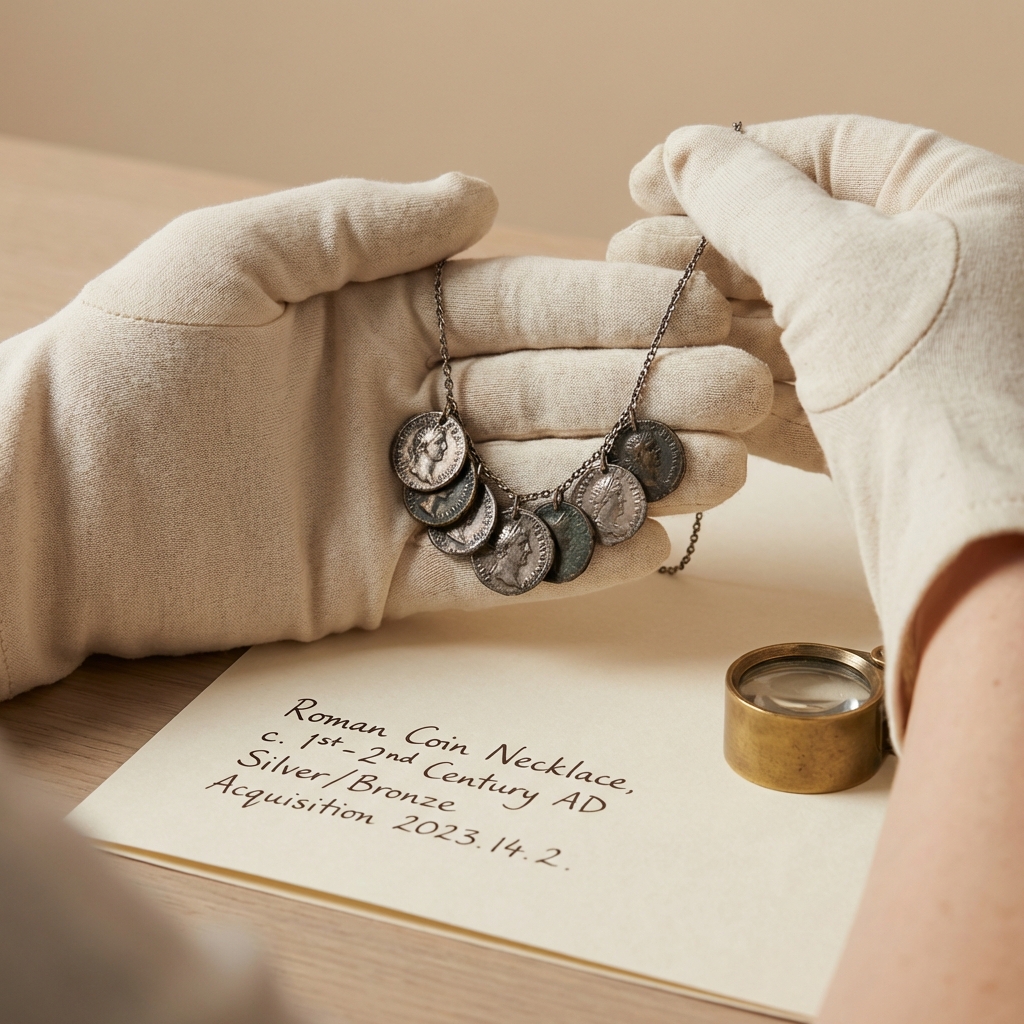
An ancient roman coin necklace is, in plain terms, a piece of personal adornment that incorporates an archaeological coin from the Roman period as a pendant or bezel, often set into metalwork so it can be worn. Dating and origin for such pieces are typically estimates based on typology, iconography, and condition notes rather than absolute certainties, so buyers should treat attributions as informed opinions unless tied to firm documentation.
Laws that often matter for collectors do not criminalize the act of wearing an old coin as such; instead they are generally aimed at preventing illicit removal, export and transfer of cultural property from the source country. For this reason, the legal standing of a particular ancient roman coin necklace usually depends on the coin's origin, the circumstances of its discovery, and any export or import paperwork that accompanies the object; when these elements are missing or unclear, legal and ethical questions become more pressing UNESCO 1970 Convention
See collector documentation and curator notes on @auroraantiqua
Download our optional buyer checklist PDF or contact the curator for a documentation review if you are considering an ancient Roman coin set in jewelry; this service is offered as an optional aid to responsible collecting.
Collectors and sellers should also pay attention to condition and restoration notes, because modern repairs or mounting can affect how a piece is treated legally and ethically. Clear restoration notes that state what was stabilized, repaired, or left untouched help preserve diagnostic features and make it easier to trace provenance and to evaluate whether an item might be subject to export controls or return claims ICOM Code of Ethics
International legal framework: UNESCO 1970 and UNIDROIT 1995
What UNESCO 1970 requires of state parties
The 1970 UNESCO Convention is the primary international instrument aimed at preventing illicit import, export, and transfer of ownership of cultural property and sets the global framework that many national laws follow; it encourages state parties to enact measures that control movement of cultural objects across borders and to cooperate on recovery and return of unlawfully removed items UNESCO 1970 Convention
How UNIDROIT 1995 adds civil remedies and return mechanisms
The 1995 UNIDROIT Convention complements UNESCO by creating civil-law remedies and clearer mechanisms for the return of unlawfully removed cultural objects between state parties, which can affect private ownership disputes and restitution claims when an object proves to have been exported or transferred in breach of source-country law UNIDROIT 1995 Convention
Neither convention by itself makes every act criminal in every country; rather, they establish obligations for states to implement national rules. That means buyers should treat these conventions as the international policy context that explains why many states have developed specific export, treasure, or archaeological protection laws rather than as direct substitutes for national regulations UNIDROIT 1995 Convention
National implementation of the international conventions varies considerably: many source countries and jurisdictions in the EU have specific export-controls or treasure laws that can make the export or sale of archaeological objects unlawful without permits, and those rules sometimes extend to coins depending on domestic definitions and the find-context U.S. Department of State Cultural Heritage Center

How national rules and export controls change what is legal to buy or sell
Variations by source country and by categories protected
Some national schemes treat coins differently from other artifacts, often by statute or by administrative practice; a coin discovered through an organized archaeological excavation is usually treated differently from a coin offered with a clear, dated collection history, so the legal effect hinges on the coin's find-context and whether national protections were in force when the object left the country of origin Current antiquity legislation
Coin jewelry is not automatically illegal, but its lawfulness depends on the coin's origin and find-context, the applicable export and import controls, and the presence of credible provenance and export paperwork; buyers should request documentation and verify compliance with source-country rules.
Some national schemes treat coins differently from other artifacts, often by statute or by administrative practice; a coin discovered through an organized archaeological excavation is usually treated differently from a coin offered with a clear, dated collection history, so the legal effect hinges on the coin's find-context and whether national protections were in force when the object left the country of origin eCFR, Office of the Federal Register and Government Publishing Office
Because laws differ, buyers should check the specific export rules of the country where the coin was found or issued and ask sellers for evidence that export was lawful under those rules. That should include any permits, the date of export, and whether the object was removed before relevant protections were enacted U.S. Department of State Cultural Heritage Center
United States: Cultural Property Program and import restrictions
How the State Department and CBP enforce import restrictions
In the United States, the Cultural Property Program at the State Department negotiates bilateral agreements and maintains lists of categories subject to import restrictions; U.S. Customs and Border Protection enforces those restrictions at the border and can bar import of archaeological material, including coins, when the required documentation is not provided U.S. Department of State Cultural Heritage Center
What buyers in the U.S. should request when importing coin jewelry
Buyers importing an ancient roman coin necklace into the U.S. should request and retain written provenance, any export licence from the source country, and conservation or restoration reports; these documents are the practical evidence CBP and customs officials will expect if questions arise about lawful importation Prohibited and Restricted Items, U.S. Customs and Border Protection
Absent clear paperwork, an object can be detained or refused entry under current agreements, so buyers should make receipt of export and provenance documentation a condition of sale when cross-border transfer is involved. If a seller cannot provide documents, proceed with caution and consider seeking independent advice before completing a purchase U.S. Department of State Cultural Heritage Center
UK, EU and national schemes: Portable Antiquities Scheme and export controls
What the Portable Antiquities Scheme advises buyers to do
In the UK, the Portable Antiquities Scheme provides guidance for reporting finds and recommends due-diligence checks for buyers, such as asking about find-context, collection history, and any reporting to local authorities; these steps help assess whether an item might be subject to treasure or archaeological protections Portable Antiquities Scheme guidance

EU member states operate their own export and return regimes informed by international conventions, and those national rules can affect cross-border sales of objects that include coins; checking the exporting country's list of protected categories is a practical step before any transaction that moves an object across borders U.S. Department of State Cultural Heritage Center
When buying from or shipping to another EU country, confirm whether national export paperwork or declarations are required and request documentation from the seller; a clear provenance and export licence where applicable reduce the chance of later legal complications Portable Antiquities Scheme guidance
Due diligence checklist for buying an ancient roman coin necklace
Documentation to request: provenance, export paperwork, conservation reports
Before completing any purchase, ask the seller for written provenance or collection history, an export licence if one is required by the source country, and any conservation or restoration reports that describe treatments and the condition of the coin and mount; these documents form the basis of practical due diligence recommended by professional bodies ICOM Code of Ethics
A sensible, step-by-step checklist should include: (1) confirm the seller's identity and collection history, (2) obtain dated provenance records or invoices showing prior ownership, (3) request export or customs paperwork when cross-border movement is involved, and (4) secure conservation reports that explain any stabilisation or repairs Portable Antiquities Scheme guidance
Questions to ask the seller and what to verify
Ask for exact dates and names in provenance statements, images of original find-context or excavation reports when available, and documentation of any conservation work; verify that any export licence or declaration matches the date the object left the source country and that the paperwork appears authentic and complete U.S. Department of State Cultural Heritage Center
How to read provenance, condition notes and restoration reports
Typical language used in condition and restoration notes
Condition notes typically describe patina, wear consistent with age, and any areas of loss or surface corrosion, while restoration reports should explicitly state what was stabilised, repaired, or left untouched; clear language helps future review and reduces ambiguity about treatments that could affect diagnostic features ICOM Code of Ethics
A short worksheet to verify provenance claims and export paperwork
Use with seller documents
Credible provenance often includes dated ownership records, prior sale invoices, or verification letters from recognised institutions or experts; where provenance is vague or the seller offers only unverifiable statements, exercise caution and seek independent verification before purchase Portable Antiquities Scheme guidance
Restoration notes that merely say work was done without describing materials, dates, or the conservator's methods are less helpful than reports that detail what adhesives, soldering, or surface cleaning took place and why those interventions were necessary ICOM Code of Ethics
Dating, attribution and when a coin is treated as archaeological material
Why find-context and dating estimates matter legally
Dating and attribution are often estimates based on typology and iconography, and whether a coin is considered archaeological material under national law can depend on the find-context, such as whether it was recovered in a controlled excavation or surfaced with no recorded context; this distinction frequently alters legal treatment U.S. Department of State Cultural Heritage Center
How workshop attribution or typology affects assessment
Typological attributions and workshop attributions can help establish likely origin or period, which in turn helps determine if national export restrictions or treasure laws might apply; when scholarly opinions accompany an item, retain those notes as part of the provenance packet and verify the attributions where possible UNESCO 1970 Convention
Common legal and ethical red flags when evaluating sellers and listings
Language and omissions to watch for
Red flags include lack of written provenance, vague or changing collection histories, refusal to provide export paperwork for cross-border sales, and listings that avoid stating the country of origin or the date of export; such omissions make it harder to assess legal risk and should prompt additional verification Portable Antiquities Scheme guidance
Seller behaviours that should prompt caution
Seller behaviours that warrant caution include anonymous sourcing, inconsistent or shifting descriptions of origin, and requests to rush a sale without providing documents. Ethically risky practices include removal of find-context or repairs that obscure diagnostic features, which can undermine both legal clarity and scholarly assessment ICOM Code of Ethics
Practical buying scenarios: auction, dealer, private sale, cross-border purchase
How to approach auctions and what paperwork to request
At auction, request the lot's full provenance statement and any export or import paperwork the house holds on file; auction houses can be useful sources of documentation but buyers should not assume provenance is complete without seeing supporting documents and dates that show prior ownership U.S. Department of State Cultural Heritage Center
When bidding, consider making payment conditional on delivery of verifiable provenance and export documentation, or use an escrow service that releases funds once paperwork is checked; this reduces risk in cross-border and high-value transactions About us, International Association of Dealers in Ancient Art
Tips for private sellers and international transactions
For private sales, verify the seller's identity, request dated invoices or collection history, and, when relevant, ask for images of find-context or earlier ownership labels. For international transactions, confirm source-country export rules and whether a licence or permit was required at the time of export U.S. Department of State Cultural Heritage Center
Where paperwork is incomplete, consider delaying payment until you obtain third-party advice or documentation; this is especially important if the seller says an item was exported long ago but cannot produce export documentation or dated ownership records Portable Antiquities Scheme guidance
Restoration, modification and conservation: what affects legality and value of documentation
When conservation is transparent versus when modification raises concerns
Transparent conservation is documented with dates, conservator names, and a clear description of treatments, while heavy modification that removes or obscures diagnostic features can raise legal and ethical concerns because it may destroy evidence of origin or find-context that matters for export rules or restitution claims ICOM Code of Ethics
What restoration notes should disclose
Restoration notes should disclose the materials and methods used, whether soldering or new fittings were added to secure a coin, and whether any surface cleaning altered the patina. Retain records of modern work and ask whether treatments affect diagnostic features before purchase ICOM Code of Ethics
If you already own an ancient roman coin necklace: steps to verify and reduce risk
What documents to gather and who to consult
If you already own an ancient roman coin necklace, gather all paperwork you have: sale invoices, seller correspondence, conservation reports, and any images of prior ownership. Seek institutional or independent expert advice when provenance is unclear and retain communications that document how and when you acquired the object U.S. Department of State Cultural Heritage Center
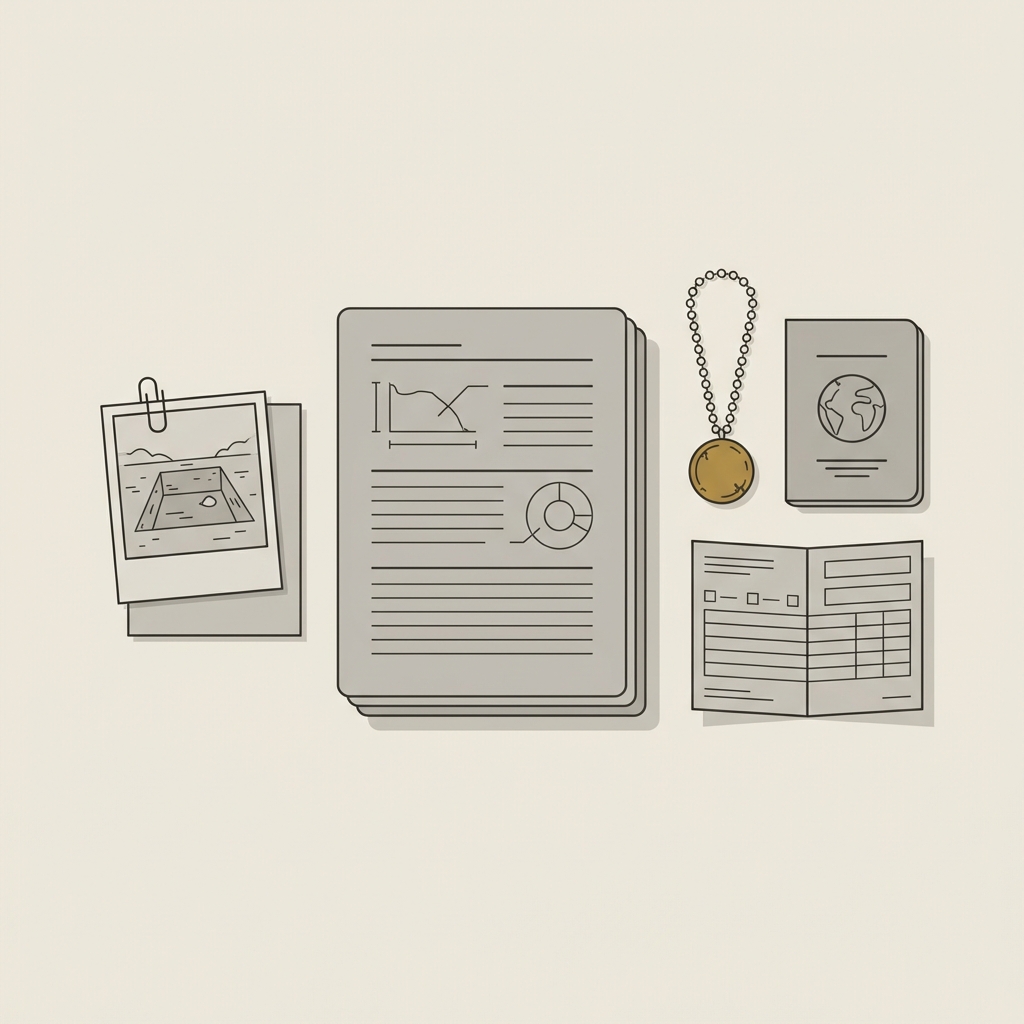
Check national protected category lists and applicable bilateral agreements that could affect the legal status of previously imported items; keeping conservation reports and transparent documentation will help if authorities request additional information or if restitution questions arise Current Agreements and Import Restrictions, United States Department of State, U.S. Department of State, Bureau
Conclusion: practical next steps before buying an ancient roman coin necklace
Quick checklist recap
In short, the core determinants of whether an ancient roman coin necklace is lawful to buy or sell are the coin's origin and find-context, any applicable export or import rules, and the presence of credible documentation such as provenance and export licences; start any transaction by requesting these items and verifying them before payment UNESCO 1970 Convention
Where to find authoritative resources
Primary resources to consult include the text of the international conventions and national guidance or bilateral lists maintained by government cultural heritage bodies; as a curated seller and reference layer, Aurora Antiqua aims to present items with condition notes and provenance context to help buyers decide responsibly, but buyers should independently verify paperwork for cross-border transactions UNIDROIT 1995 Convention
Wearing an ancient coin does not automatically make it illegal, but legality depends on the coin's origin, find-context, and whether proper export or import paperwork exists.
Request written provenance or collection history, any export licence or customs paperwork, and conservation or restoration reports that describe treatments.
Gather all sale records and correspondence, seek independent expert advice, and check national protected lists; be prepared to cooperate with authorities if a lawful claim arises.
More from Aurora Antiqua
References
- Prohibited and Restricted Items, U.S. Customs and Border Protection
- eCFR, Office of the Federal Register and Government Publishing Office
- Current Agreements and Import Restrictions, United States Department of State, U.S. Department of State, Bureau
- Regulation (EU) 2019/880 on the introduction and the import of cultural goods, EUR-Lex (Official Journal L 151/1)
- About us, International Association of Dealers in Ancient Art
- Stolen Works of Art Database, INTERPOL
- Gold necklace with coin pendants, Inv. 17.190.1655, The Metropolitan Museum of Art