


Looking for the real thing? Browse authenticated ancient rings, each piece one of one, individually authenticated, with documented provenance. For the background, see the guide to buying ancient artifacts.
What roman coin jewelry authentic means: definition and context
When collectors talk about roman coin jewelry authentic items they are usually referring to coins that are both genuine ancient struck pieces and considered suitable for use as wearable objects. Authentication in this context addresses whether the metal object is a historic coin created in antiquity, while grading assigns a condition or numeric grade, and attribution ties the piece to an era, mint, or emperor. Clear terminology helps buyers set realistic expectations before they spend on formal verification.
Authentication, grading, and attribution often overlap but serve different practical needs: authentication answers the question, is this an ancient coin; grading answers how the market typically describes condition; attribution places the coin in time and production context. For wearable use, buyers should pay particular attention to provenance, condition notes, and any restoration notes, because those factors influence whether a coin can be mounted without losing important surface details or documentation.
See provenance and restoration details on @auroraantiqua
Aurora Antiqua provides curated context, condition notes, and provenance references to help collectors understand whether a coin is suitable to wear and what documentation to keep with it.
Scope for this guide is practical: it explains the common authentication routes, the typical deliverables you will receive, and the cost drivers that determine whether an independent opinion, a grading slab, auction consignment, or lab testing is the most economical and informative route for a particular coin intended for jewelry.
Main authentication routes for roman coin jewelry authentic items
There are three common routes to verify an ancient coin for use as jewelry: third-party grading services, auction-house vetting and consignment, and independent numismatist opinions. Each route delivers different documentation types and varies in cost and timeline, so the right choice depends on the coin's estimated market value, the available provenance, and how quickly you need an answer.
Third-party grading services provide encapsulated slabs and certificates with numeric grades and are typically set up as tiered ancients services from economy to premium; auction houses normally perform in-house provenance and authenticity checks as part of consignment, and independent experts supply written opinions or attributions billed per coin or hour. Choosing between them depends on whether you need a slab for resale or insurance, whether provenance is strong enough for sale without a slab, and whether additional scientific testing is likely to be required.
Grading houses (NGC, PCGS) - what they do and what it costs for roman coin jewelry authentic verification
Major grading houses offer tiered ancients submission options and return an encapsulated slab plus a certificate that documents a numeric grade and sometimes attribution details. Those tiered services and submission guidelines are published by the companies and outline economy and premium lanes, with expedited options adding surcharges and insured handling available for higher value items NGC Ancients - Services & Submission Guidelines.
Submitting a coin to a grading house typically involves declaring a value and choosing a service tier. Declared value influences the recommended lane and any insured handling; a slab can make later resale or insurance simpler because it standardizes condition reporting and reduces buyer uncertainty. For wearable coins, a slab can provide a stable certificate that travels with the piece and can simplify provenance documentation when mounting a coin.
Start with careful photos and an independent expert opinion for single or low-value pieces; reserve grading slabs or lab tests for resale, insurance, disputed, or high-value items, and combine approaches when evidence is unclear.
Turnaround options vary from economy lanes that can take several weeks to premium or expedited lanes that deliver results in days, and those faster options carry extra fees. If speed matters because you intend to list, insure, or mount a coin quickly, expect surcharges for expedited processing as part of the grading house workflow PCGS Ancient Coin Grading & Submission Services.
Deciding whether a slab is recommended for wearable coins depends on the coin's market profile: slabs are often most valuable for pieces with a clear resale market or when insurers and buyers expect a standardized grade. For single sentimental or low-value wearable coins, independent opinions may be a lower-cost first step, which avoids unnecessary slab fees.
Auction consignment and vetting: how houses handle authenticity for roman coin jewelry authentic lots
Auction houses commonly vet coins as part of consignment, running in-house authenticity checks and provenance research without a distinct upfront authentication bill; instead, the cost is largely captured in seller commissions applied to the hammer price once the lot sells How to Sell & Consign Coins - Consignment Guide.
Because auction houses incorporate vetting into the consignment process, sellers should expect commissions rather than a separate authentication invoice; common consignment cycles can extend the timeline to months before a sale occurs. That timeline can be an important tradeoff for collectors who need a quick confirmation rather than a sale-oriented vetting process.
Consignment is often sensible when the coin's provenance or condition is likely to add material value at auction. When documented ownership history exists and can be presented clearly, auction vetting can surface that history to buyers and sometimes justify higher realized prices, which offsets commission costs.
Independent numismatists and written opinions: a cost-effective route for single roman coin jewelry authentic checks
Independent numismatists offer written authentication or attribution services and are often the most cost-effective route for single or low- to mid-value coins. These experts provide written opinions, attributions, and condition notes that many buyers find sufficient for privately held wearable pieces.

Fee models vary: independent specialists may charge a modest flat fee per coin, an hourly rate, or offer tiered services for complex attributions; those fees commonly range from modest amounts to several hundred dollars depending on rarity and the complexity of the attribution. A written opinion is often enough for a collector who plans to keep a coin as wearable history rather than resell it through a formal marketplace.
When you need a numeric grade for resale or insurance, a formal slab from a grading house is typically required; independent opinions do not usually substitute for the encapsulated slab and numeric grade that major services provide. However, experts can be a useful preliminary filter to avoid expensive lab testing or slab submission when a coin is clearly modern or heavily restored.
Scientific testing for tricky roman coin jewelry authentic cases: pXRF, microscopy and what they add to cost
Non-destructive scientific analyses such as portable XRF, microscopy, and elemental testing are standard tools for difficult ancient coin attributions and typically add laboratory fees and extra turnaround time. These methods are commonly used when visual and provenance evidence leave key questions unanswered and can provide elemental or manufacturing insights that complement expert examination Non‑destructive scientific methods (pXRF, microscopy) for authentication of ancient coins.
Typical lab fees for non-destructive testing are often in the low hundreds USD and will add handling and reporting time to your overall schedule. For high-stakes or disputed items, tests can materially strengthen an attribution, but they are usually supplementary to visual study and provenance research rather than a solitary determinant of authenticity.
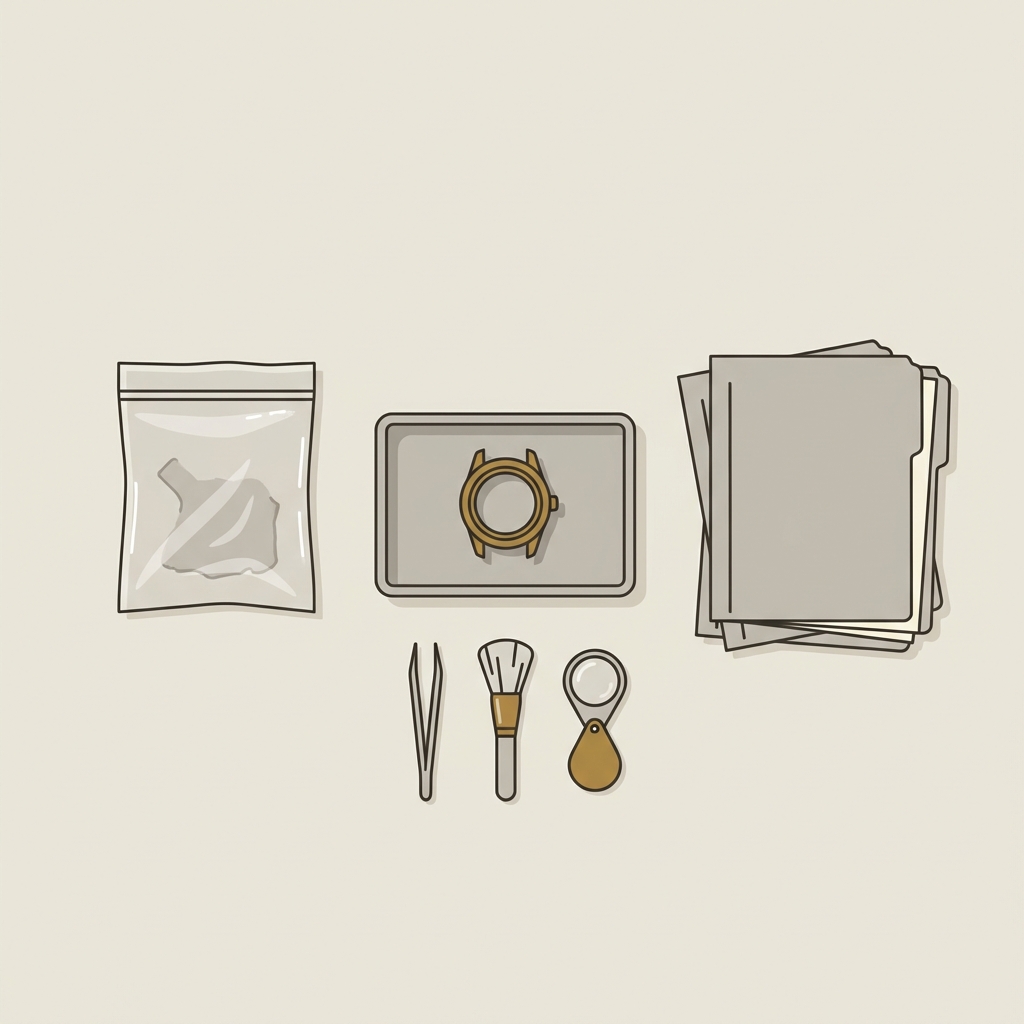
Considerations when ordering lab tests include safe shipping, insured handling, and clear instructions about the analysis scope. Labs will return a report that is best read alongside condition notes and any prior documentation; combining scientific and documentary evidence often produces the most persuasive attribution in contested cases.
A simple decision tool for choosing the right route to authenticate a roman coin jewelry authentic piece
Begin by asking a few core questions: what is the estimated market value, is there clear provenance or prior documentation, how quickly do you need verification, and will the coin be sold or kept as wearable history. These factors determine which path is most cost-effective.
If you have a single low-value coin and need a quick answer, an independent expert opinion is often the most economical first step. If resale, insurance, or a public sale is likely, a grading house slab provides standardized documentation that many buyers and insurers prefer. For disputed or high-value items, combine an expert opinion with targeted laboratory analysis before committing to expedited slab submission.
Short selection checklist to choose an authentication route
Use to guide a preliminary decision
When to combine routes: many collectors first get an independent opinion to screen obvious problems, then submit for a slab or lab testing only if needed. That staged approach often avoids unnecessary fees and focuses expensive resources on pieces where the extra documentation will change decisions about sale, insurance, or mounting.
Cost scenarios and sample budgets for roman coin jewelry authentic verification
Instead of fixed prices, think in scenarios. A modest single coin kept for personal wear often needs only a clear set of photographs, an expert quick opinion, and condition notes; this path minimizes outlay and preserves documentation for future reference. Conversely, a coin intended for resale or insurance typically uses grading houses or auction consignment, which trades higher upfront or commission costs for standardized documentation and market exposure.
Declared value, insured shipping, and expedited handling are common incremental cost drivers with grading services. If a submitted value crosses thresholds that trigger special handling or insurance, expect additional fees and paperwork. These factors alone can make slab submission or lab testing cost-effective for higher-value pieces where documentable provenance or a slab materially increases buyer confidence.
Lab tests and expedited lanes are the main items that can push costs higher for tricky cases. Scientific testing typically adds laboratory fees in the low hundreds and can be layered on top of expert opinions or grading submissions when visual examination and provenance do not fully resolve attribution questions.
Timelines, shipping, and insurance considerations when authenticating a roman coin jewelry authentic item
Turnaround times vary by route. Grading services offer economy lanes that may take several weeks to a few months and expedited lanes that deliver in days but cost more. Auction consignment cycles routinely extend timelines to months because lots are scheduled into auctions and undergo internal research PCGS Ancient Coin Grading & Submission Services.
Shipping and insurance affect both cost and risk: declared value influences recommended insured shipping levels and handling instructions, and some services require insured transit or offer insured courier options at added cost. For high-value items, plan for insured shipping and documented chain of custody to protect the piece while it is en route or in a lab.
Best practices for packaging include using padded, crush-resistant outer packaging, a secure inner container, and clear paperwork detailing ownership and contact information. Always keep high-resolution photographs and condition notes before shipping; those records are invaluable if loss or damage needs to be documented for an insurer.
Understanding deliverables: slab, certificate, provenance report, and written opinion
A graded slab typically contains an encapsulation with a label that lists a numeric grade and sometimes attribution details; it standardizes condition reporting but has common limitations for ancients because numeric systems were created for modern coinage and can be less precise for worn or corroded ancient pieces NGC Ancients - Services & Submission Guidelines.
Auction lot notes and provenance reports document the ownership history, condition observations, and any visible repairs; they are focused on market presentation and can vary in depth and format from one house to another. Written opinions from independent numismatists are narrative reports that describe attribution, condition observations, and a reasoned statement about authenticity; the format and perceived authority depend on the expert providing the opinion International Association of Professional Numismatists (IAPN), IBSCC.
Common mistakes and red flags when seeking authentication for roman coin jewelry authentic pieces
Poor photo quality and missing measurements are frequent mistakes that reduce the usefulness of any authentication service. If you cannot provide clear obverse, reverse, edge shots, and scale measurements, graders and experts often ask for more information or charge additional review time.
Beware of vague provenance claims, especially when the history is undated or undocumented. Also be cautious when restoration histories are unclear; altered or heavily repaired coins can undermine attribution and resale potential unless restoration notes are explicit. Independent experts can often spot problematic repairs, but clear documentation is the most reliable mitigation.
Another common misunderstanding is assuming that a certificate or slab itself proves market value. While a slab standardizes condition reporting, market value is set by buyer demand, provenance, and rarity; treat documentation as one important input rather than a standalone valuation.
How authentication affects setting a coin as jewelry and conservation considerations
Restoration and preservation notes should describe what was stabilized, repaired, or intentionally left untouched; those notes are essential when deciding if a coin can be safely mounted. Conservators often prefer reversible mounting approaches that do not alter the original surface or remove patina that is part of the coin's historical character.
Mounting considerations include using bezel or frame methods that protect edges and avoid drilling through important surfaces when possible. Conservation-friendly mounts are reversible and documented so the coin can be returned to its original state if needed. Keep original condition photos and any documentation with the piece after mounting; these records preserve provenance and the coin's pre-mount condition for future study.
Buyer checklist: preparing a roman coin jewelry authentic submission or consignment
Collect essential photographs: obverse and reverse centered and well-lit, edge shots, macro details of any marks or repairs, a scale reference, and color-accurate images of patina or corrosion. Include measurements and weight, and list any known provenance, prior invoices, or collection history that supports attribution. For reference examples see the ancient Roman rings collection.
Prepare questions to ask professionals: what is the scope of their report, are laboratory tests included or recommended, what turnaround times and fees apply, and what limits or disclaimers accompany their opinion. Clear expectations up front reduce surprises and help avoid charges for additional research or re-submission.
Conclusion: next steps for collectors of roman coin jewelry authentic pieces
Match your route to the coin's estimated value, the available documentation, and your intended use. For single sentimental pieces, an independent opinion plus good documentation often suffices. For resale, insurance, or high-stakes attributions, plan for grading and possibly targeted lab testing. Visit the Aurora Antiqua homepage for shop and resource links.
Preserve provenance and condition records when you make a piece wearable and consider seeking multiple opinions for high-value or disputed items. Thoughtful, staged decisions-starting with clear photos, then an expert opinion, then grading or tests only when needed-help collectors manage cost while preserving the coin's history.
Turnaround varies: grading services range from days for expedited lanes to several weeks or months for economy lanes; auction consignment cycles can extend to months; independent opinions and lab tests have their own schedules.
Not always; for personal wear a documented independent opinion and good condition notes can be sufficient, while slabs are often used when resale, insurance, or standardized grading is needed.
Order non-destructive tests when visual evidence and provenance leave important questions unresolved or when the coin's value justifies the extra laboratory cost and time.
More from Aurora Antiqua
References
- Application of multi-modal 2D and 3D imaging and analytical techniques, npj Heritage Science (Springer Nature)
- International Association of Professional Numismatists (IAPN), IBSCC
- Echtheitsuntersuchungen (authenticity testing), Curt-Engelhorn-Zentrum Archäometrie (CEZA), Mannheim
- Publication 561 (12/2025), Determining the Value of Donated Property, Internal Revenue Service (IRS), USA
- Investigating Ancient “Bronzes”, J. Paul Getty Museum and Getty Conservation Institute, Los Angeles
- Portable XRF for paintings and metals authentication, npj Heritage Science (Springer Nature), DOI
- Testing and Retesting Alexander the Great, J. Paul Getty Museum and Getty Conservation Institute, Los Angeles
- Object ID, International Council of Museums