


Looking for the real thing? Browse our Ancient Roman ring collection, each piece one of one, individually authenticated, with documented provenance. For the background, see the guide to buying ancient artifacts.
Why careful identification matters for ancient Roman glass
Buying or evaluating ancient Roman glass can be rewarding, but it requires care because visual cues alone rarely settle questions of age and origin. For buyers of ancient roman glass earrings, photographic evidence, condition notes, and the history provided by a seller combine to form an initial attribution that may later be strengthened or questioned by specialist review.
Responsible assessment treats visual signals and documentation as pieces of a larger puzzle; where possible, lab analysis and third party opinion add confidence but also cost and time. Readers should understand that this guide is intended to offer practical checks and decision points rather than definitive laboratory authentication, and that before making high‑stakes claims it is good practice to compile up to date, citable sources and permissions for testing and consultation, a step for which permission to run targeted searches is recorded here permission to run targeted searches.
See behind the scenes on @auroraantiqua
If you would like a deeper, source‑backed research brief or specific product assistance, request a targeted review and we can collect museum and technical references for the piece you are considering.
Why this matters in practice is simple. Surface condition, mounting style, and the nature of any repairs all affect how a piece should be presented and cared for. Conservators, curators, and careful sellers use condition notes and provenance statements to set realistic expectations for wear, visible interventions, and what remains uncertain.
Finally, every buyer should accept limits. Even when documentation and good photographs suggest a piece is consistent with an antiquity, only a combination of context, respected provenance, and, when appropriate, scientific analysis moves confidence higher. This article lays out the practical steps to evaluate listings, ask the right questions, and decide when to seek a specialist.
Quick visual cues to examine in listings and photos
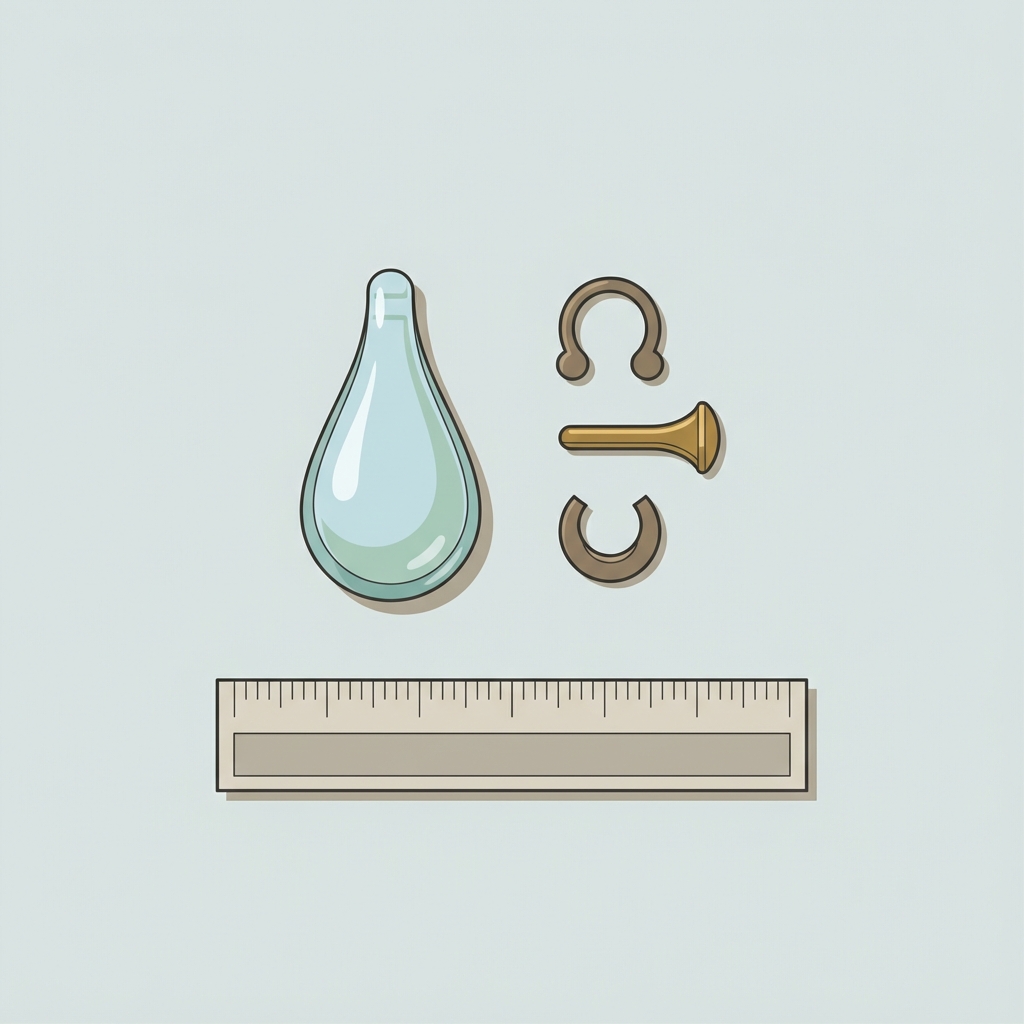
Good online assessments begin with knowing which images reveal the most useful information. Request or inspect close ups of the object from multiple angles: a clear profile of the glass, a macro shot of the rim and edges, the reverse surface, and a view showing the mount or perforation used for earrings. Include at least one image with a scale reference such as a ruler or a coin so proportions are clear.
In photographs, look for surface characteristics that can be consistent with age. A subtle, uneven patina, micro‑pitting, and surface iridescence where weathering has altered the outer layers may be present on long‑buried glass. Conversely, uniformly bright color with no surface disruption, identical tool lines that repeat in multiple pieces, or very sharp, machine like finishes suggest recent manufacture or modern tooling. Use conditional language when noting these features; they can indicate authenticity or merely stylistic imitation.
Lighting and color balance affect what you see, so ask for shots under neutral light and avoid images that are overly warm or heavily filtered. Photographs taken at oblique angles often reveal tool marks and edge break patterns better than only head‑on images. When the listing includes a mount or setting, request separate photos of the mount detached from the glass if possible, because modern settings are sometimes used to present reproductions as older items.
Scale matters for earrings. Small differences in thickness or bead shape become clearer when you have exact measurements alongside the images. If a seller provides only one or two low resolution photos without scale, treat that as a cautionary sign and request better documentation before proceeding.
Photographs, measurements and documentation to request
Before you commit to a purchase, ask the seller for a standard set of photographs: a front view, back view, profile, close up of any edges or perforations, macro images of the surface, and a shot showing the piece next to a millimeter ruler for scale. For earrings, request images of the mounting and the join between metal and glass.
Combine clear, scaled photographs and precise measurements with condition and provenance documentation; use those materials to request further images, independent opinions, or targeted testing when the stakes justify it.
Exact measurements reduce ambiguity. For glass earrings request diameter or maximum length, thickness at the rim, weight in grams, and post or loop length if the piece is mounted. These numbers help you compare an object to published examples and assist a conservator or independent expert if you later seek a second opinion.
Documentation to request should be plainly described. Ask for condition notes that list any repairs, stabilizations, or recent restorations, and request any available collection history that might help place the object in context. Useful provenance items include prior ownership notes, catalog references, or any verification letters. If restoration has been performed, a clear statement of what was done, when, and by whom helps set expectations for long term care.
Where possible, request the seller’s terms for photography consent and permission to run additional research. Clear documentation of measurements and condition makes a listing far more reliable for initial assessment than a description alone.
When scientific testing can help and what to expect
Laboratory work can increase confidence in a difficult attribution, but testing has costs and practical limits. Non destructive methods such as surface microscopy or portable composition scans can support a claim about manufacturing technique or chemical composition without removing material. More invasive sampling gives richer data but requires careful consideration because it may harm the object.
Decisions about testing often depend on the monetary and historical stakes, the condition of the object, and whether the owner or seller is willing to allow analysis. Testing rarely gives a single, definitive answer about origin; rather, it provides material data that specialists interpret alongside style, context, and provenance. Expect some delays and costs when arranging formal analysis and accept that not every purchase justifies laboratory work.
Common analyses mentioned by conservators and researchers in general terms include microscopy to examine surface weathering, compositional screening to compare major glass components, and targeted pigment or trace element work to explore manufacturing signatures. These methods are complementary to good photographic and documentary evidence. If you think testing is necessary, consult a conservator or laboratory for an estimate and for advice on whether the proposed method is appropriate for a small jewelry object.
Evaluating provenance, documentation and seller transparency
Provenance strengthens an attribution only when it is specific, consistent, and verifiable. Useful provenance statements include collection history with dates, prior sale or catalog references, and any letters or reports from recognized specialists. Vague phrases such as "old collection" without further detail are of limited value.
Restoration and preservation notes should clearly describe any interventions and whether original material was removed or only stabilized. When sellers provide honest and specific restoration notes, buyers can make informed decisions about risks and future conservation needs.
A concise request template for photographs and provenance
Use as a message to a seller
Provenance verification is often straightforward when documents cite collection names, prior auction or catalog entries, or verifiable institutional references. When such details are absent, a seller who is willing to provide additional photographs, references, or contact information for prior owners is usually more trustworthy than one who refuses reasonable requests for documentation.
Keep in mind that clear documentation does not guarantee age or origin; it raises or lowers confidence. Use provenance verification together with condition notes, independent images, and expert consultation when needed.
Common signs of modern fakes and typical forgery methods
Modern reproductions and fakes commonly try to mimic the look of aged glass while cutting production costs. Look for telltale signs such as uniform surface texture that repeats across multiple pieces, perfectly regular bubbles or inclusions that appear mechanically produced, and seams or tool marks consistent with modern molding techniques. These signs are indicators to be examined with caution rather than proof of a fake.
Forgery methods can include the use of recent glass with artificial surface treatments to imitate weathering, and attaching new metal mounts to older fragments to create a misleading appearance. Restored pieces differ from modern fakes in that honest restorations are documented and usually conservators describe what was stabilized and what was replaced. Deceptive modifications often come with evasive or vague restoration notes.
Interpreting these signs sometimes requires microscopy or expert eyes. If a listing includes suspiciously broad claims about age without supporting documentation, or if the seller resists independent inspection, treat the purchase as higher risk and consider obtaining a specialist opinion before committing.
Red flags in online listings and seller behavior
Certain listing patterns consistently raise concern. Common red flags include low resolution or filtered photos, missing measurements, the absence of any provenance or condition statement, and language that emphasizes aesthetics while avoiding historical detail. Listings that refuse to provide more images on request or that insist on rapid sale without documentation should be treated with caution.
Aurora Antiqua listings typically include condition notes and provenance references where available, and we present restoration and preservation notes that describe what was stabilized, repaired, or left untouchedBefore you purchase, ask direct questions such as: Can you provide high resolution images with scale? Are there any previous ownership records or catalog references? What specific restoration work has been done, and by whom? Sellers who answer promptly and supply documentation are easier to evaluate than those who do not.
If a seller declines reasonable requests for extra photos or documentation, or if their answers are inconsistent with the images, consider pausing. Keeping written records of communications and condition statements helps later if a return or dispute becomes necessary.
Step-by-step buying checklist for ancient Roman glass earrings
Before you commit, follow a short pre purchase checklist: request a full set of photographs including macro shots and scale; obtain exact measurements and weight; ask for condition notes and any provenance or collection history; and ask whether any restoration was performed and, if so, for documentation of that work. When the seller provides this information, compare it to published examples and consider whether the level of documentation matches the asking price.
ancient roman glass earrings

At purchase, secure written condition statements in the sale agreement, confirm shipping and insurance terms, and use a payment method that offers purchase protection when possible. If a third party opinion is required, agree who will pay for analysis or return shipping before finalizing the transaction.
After arrival, inspect the earrings immediately in good, neutral light. Compare the object to the photographs and the condition notes you received. Photograph the piece on arrival with a scale and note any discrepancies. If you find issues that were not disclosed, contact the seller promptly and refer to your written record.
For higher value items, consider commissioning a short independent report from a conservator or specialist if provenance is incomplete. Maintain all correspondence and condition reports as part of the object’s collection history.
Handling, storage and basic care for fragile glass jewelry
Handle fragile glass earrings with clean hands and support the object close to the center of mass to avoid torque on thin points or posts. Avoid gripping the glass rim or any thin projections that could chip or fracture. When trying on a wearable antiquity, use a soft surface and limit handling time.
Short term storage should keep pieces padded and separated to avoid contact with other hard objects. Use acid free tissue or soft foam padding and store items in a stable environment away from direct sunlight and large temperature swings. Long term, maintain moderate humidity levels and avoid metal containers that can abrade delicate surfaces.
If you observe active deterioration, loss of surface material, or unstable repairs, consult a conservator rather than attempting home restoration. Restoration and preservation notes in a listing can help you anticipate care needs and make a plan for professional conservation where appropriate.
What conservators and archaeologists typically check
Specialists begin with a close visual and microscopic examination to document surface features, weathering patterns, and evidence of recent tool marks. Non destructive imaging and contextual assessment typically come first because they preserve the object while providing useful comparative data.
When sampling or laboratory analysis is considered, specialists weigh the expected benefit against the potential impact on the object. Reports from qualified conservators or laboratories generally include clear descriptions of methods used, observations, and interpreted implications for attribution and condition.
If you need a second opinion, look for a conservator with experience in historic glass or a qualified archaeometric laboratory. Ask for references and examples of prior reports so you can judge the level of detail provided and whether it would meet your needs for a particular purchase.
Scenario examples: auction lot, private sale, and online listing
In an auction lot scenario, begin with the published catalog entry and any condition report provided by the auction house. Ask for additional images and full measurements before the sale, and note whether the catalog references prior collections or catalog numbers. If the lot lacks clear provenance, weigh the auction’s return policy and consultation options before bidding.
In a private sale from a collector, ask for written collection history, any acquisition invoices, and the collector’s own documentation. Private sellers can be excellent sources of provenance, but treat verbal histories as needing corroboration and request scans or copies of supporting documents where possible.
For online marketplace listings, the focus is on demanding photographs, measurements, and clear condition notes. Sellers who supply well documented images and a clear statement about restorations make informed evaluation easier. If the listing is sparse, take a step back and insist on more information, or walk away if the seller is not cooperative.
How Aurora Antiqua frames items and supports buyer confidence
Aurora Antiqua positions itself as a careful curator and reference for buyers interested in wearable history. On listing pages we include Restoration and preservation notes that describe what was stabilized, repaired, or left untouched; Provenance and documentation references when available, for example collection history, prior ownership notes, and verification letters; and Editorial and historical content that explains cultural context, symbolism, and historical background tied to pieces.
We present these elements as provided and encourage buyers to use them alongside independent checks. Mentions of provenance or documentation on a listing are presented as the material the seller or prior owners have supplied and do not alone constitute absolute authentication.
When to pause, seek more documentation, or walk away
Stop and seek more information if provenance statements contradict one another, if condition notes omit expected details for the piece type, or if imagery suggests modern tooling that is inconsistent with the claimed period. A seller who refuses reasonable requests for additional photos or documentation is another clear pause point.
Practical next steps include requesting higher resolution images, asking for a conservator’s evaluation, or asking the seller to provide scanned provenance documents. Keep a written record of all communications and condition statements so you can rely on them if a dispute arises. If doubts remain after these steps, walking away is a prudent choice.
Summary, next steps and resources to consult
Recap the main checks: request comprehensive photographs with scale, obtain precise measurements, insist on clear condition and restoration notes, and seek verifiable provenance when available. Use these elements together with targeted scientific tests only when the value and circumstances justify additional expense.
When you want a deeper, source backed research brief that collects museum conservation guidance and recent technical literature to support a high stakes purchase, allow a focused search and review of current references so that any testing or specialist consultation is well informed and targeted; this step is recorded and a permission step to run targeted searches is available here permission to run targeted searches.
Next practical step: compile the listing information, photographs, and any documents you have, and request a focused review either from a conservator or a trusted curator. If you would like Aurora Antiqua to assist with a targeted brief, we can clarify which sources would most help your decision and collect them for your review.
Photos can show useful clues such as surface weathering, edge condition, and mounting details, but they rarely prove age alone. Combine clear images with measurements and documented provenance for a stronger initial assessment.
Consider testing when the item’s value or uncertainty justifies the cost and when the owner permits analysis. Start with non destructive methods and consult a conservator to select appropriate tests.
Treat the lack of documentation as a red flag, request more information in writing, and be prepared to pause or walk away if the seller remains uncooperative.
More from Aurora Antiqua
References
- Testing and Retesting Alexander the Great, J. Paul Getty Museum and Getty Conservation Institute, Los Angeles
- About us, International Association of Dealers in Ancient Art
- Stolen Works of Art Database, INTERPOL
- 1995 Convention, UNIDROIT, International Institute for the Unification of Private Law, Rome
- Auction Terminology, Christie's
- Publication 561 (12/2025), Determining the Value of Donated Property, Internal Revenue Service (IRS), USA
- Nuclear Techniques for Cultural Heritage Research (IAEA Radiation Technology), International Atomic Energy
- Restoration, Museo Nazionale Romano, museonazionaleromano.beniculturali.it