


Looking for the real thing? Browse authentic Medieval & Crusader rings, each piece one of one, individually authenticated, with documented provenance. For the background, see the guide to medieval jewelry.
What is an ancient celtic ring? Definition and historical context
An ancient celtic ring in this article refers to a historic ring that bears interlace or knot motifs, usually dated by style, materials and comparable examples in museum collections. The knotwork most associated with these rings grew as a formal visual system within Insular art in the early medieval British Isles, appearing across manuscripts and metalwork that date to roughly the seventh to tenth centuries, with major exemplars surviving in illuminated books such as the Book of Kells Trinity College Library Book of Kells.
Scholars and curators typically treat knotwork as an ornamental and symbolic language rather than as a catalogue of single, provable messages. Common interpretive themes include continuity, protection and visual emphasis, but the precise intent behind a given interlace is often uncertain and remains a matter of academic interpretation rather than fixed meaning British Museum collection overview (University of Galway research).
When museums describe rings and other Insular metalwork, they rely on formal features such as the style of interlace, metal type and manufacturing techniques to suggest a period and workshop attribution. Comparable manuscript illumination and surviving metal objects, including the Irish School of Illumination Irish School of Illumination, along with scientific and stylistic study, are the primary bases for these descriptions British Library curatorial article on Insular illumination.
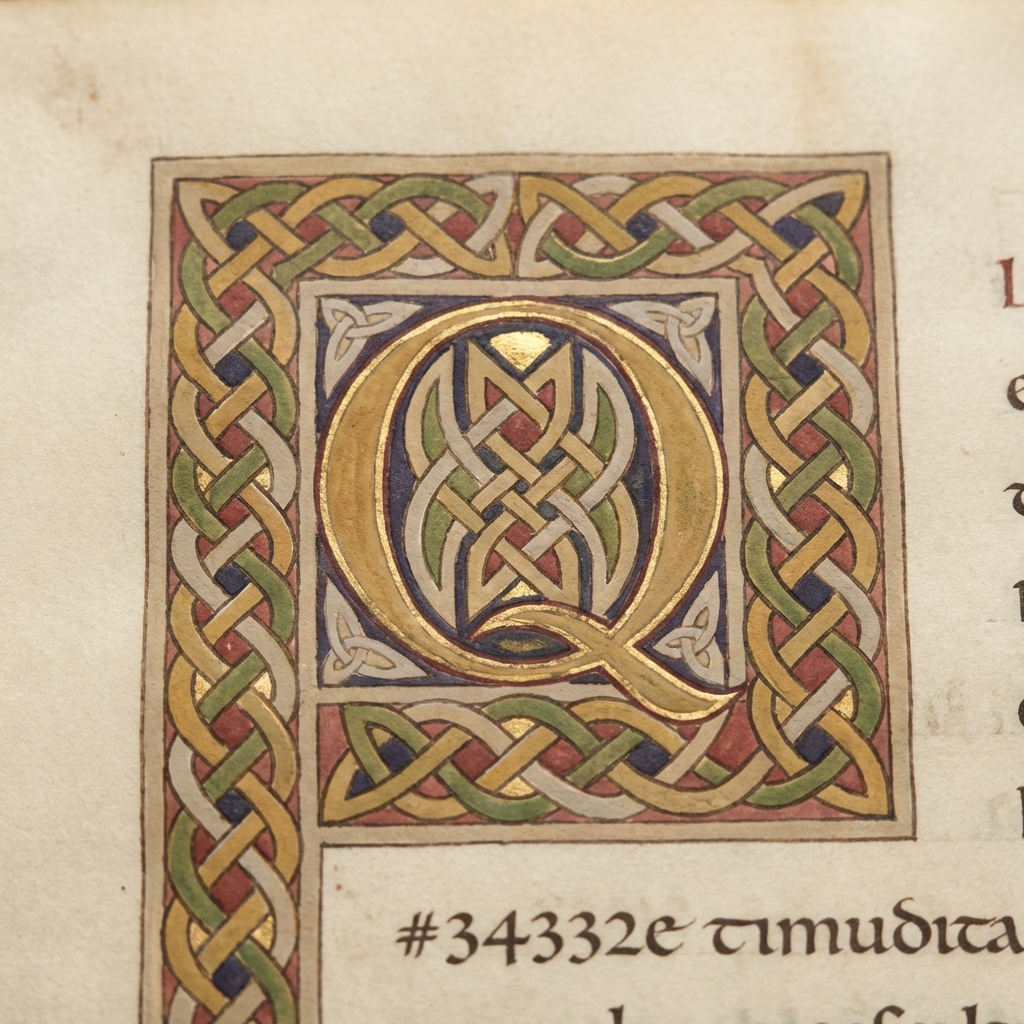
Typical materials for historic rings with knot motifs vary but often include bronze, silver, or base alloys and sometimes small set stones or glass inlays. Surviving examples range from plain hoop rings with incised interlace to more elaborate signet or bezel rings where the knot is set into a facing, and museum labels will usually note both technique and condition when such objects are on display or in collections British Museum collection overview.
Because the term "Celtic" covers a broad and complex set of historical and cultural circumstances, careful use of terminology is important. In this guide, "ancient celtic ring" is used as a practical descriptor for rings that display interlace motifs associated with Insular art, not as a claim about specific ethnic or modern cultural ownership.
Is it okay to wear an ancient celtic ring? Cultural and ethical considerations
Wearing historic knotwork can be acceptable and meaningful in many settings, but it also raises ethical questions that depend on context, intent and relationship to source communities. Contemporary debates about cultural appropriation emphasize that respectful use is more likely when wearers acknowledge the origin, learn the history, and avoid stereotyped or commodified displays What is cultural appropriation? A guide for respectful use of cultural symbols, The Conversation.
One important consideration is heritage. For people with a documented, familial or community connection to the traditions that produced Insular art, wearing a family heirloom or a ring with clear provenance often reads as stewardship and continuity. For others, wearing a knot motif as an expression of admiration can be acceptable when accompanied by honest acknowledgement of the motif's origins and a willingness to learn, rather than treating the symbol as a decorative shortcut to identity The Conversation.
Because knotwork appears extensively in Christian Insular art as well as in secular contexts, some viewers may read a knot as a cultural or religious sign in particular settings. That reading can be especially likely in liturgical spaces or ceremonies, so avoiding the unreflective use of historically sacred motifs in religious ceremonies you are not part of is prudent British Museum collection overview.
Intent matters, but intent alone does not prevent criticism. Public-facing displays, social media captions or commercial contexts that use knot imagery without context or that lean on stereotyped narratives can draw valid critique. Neutral, contextual use that credits sources and explains why the motif matters tends to reduce the risk of offense and supports respectful engagement The Conversation.
See behind the curator’s desk on Instagram
If you are unsure how to proceed, start by reading museum resources and provenance notes, and consider viewing curated listings that include condition and documentation before deciding to wear a historic piece.
Choosing to wear an ancient celtic ring can be a thoughtful act when it is done with awareness of the ring's history, transparent documentation and sensitivity to contemporary cultural conversations. Small gestures such as crediting the object’s cultural origin in captions or conversations and avoiding use in sacred ceremonies where you are not a member of the community help keep the gesture respectful The Conversation.
How to evaluate an ancient celtic ring before you wear it
Before wearing a historic ring, ask for clear provenance and documentation. Provenance or collection history that names prior ownership, acquisition circumstances and any supporting documents gives buyers a stronger basis for understanding where an object came from and how it was identified.
How can I tell if this ring is safe to wear?
Wearing historic Celtic knotwork can be appropriate when done with provenance, conservator guidance and respectful acknowledgement of the motif’s Insular origins; avoid unreflective use in sacred or ceremonial contexts where you are not a community member.
Read condition notes carefully. A seller or catalogue should describe surface condition, patina, structural integrity and any restorations. Condition notes that explain what was stabilized, repaired or left untouched allow potential wearers to judge whether a piece is robust enough for regular wear or better suited to occasional display V&A Museum conservation guidance.
Ask specific questions about restoration history and material identification. If a ring has been resized, soldered, or extensively reworked, those interventions affect whether it is safe to wear. Likewise, accept identification of metal or stone as provisional unless the listing provides scientific testing or explicit documentation V&A Museum conservation guidance.
Size and fit are practical safety matters. Historic rings are often sized to the wearer who originally used them, and repeated resizing can weaken joins. Request clear photos of the hoop interior, measurements, and any notes on past alterations before deciding to wear the ring.
When documentation is limited, treat the piece with greater caution. A ring without verifiable provenance or that is described in vague terms is more likely to be better suited to study or display than daily wear, pending further verification from a qualified specialist British Library curatorial practice.
Care and conservation: how to handle and wear historic metalwork
Museum conservation guidance offers straightforward rules that translate well to private care. Avoid household chemicals, chlorinated water and abrasive cleaners; protect surfaces from knocks and keep the ring dry when not in use. These basic precautions align with professional advice for historic metalwork and jewellery V&A Museum conservation guidance.
Keep wear to low-impact situations. Remove historic rings for heavy manual work, gardening, swimming and cleaning. Even modest shocks or long exposures to moisture and salts can accelerate corrosion or damage fragile settings.
Quick conservator contact checklist for ring handling
Keep records of advice and dates
Avoid amateur chemical cleaning or aggressive polishing. Conservators warn that removing a stable patina or using solvents can strip historically important surface evidence and weaken joins. If a ring needs treatment, seek a conservator who works with archaeological or historic metals rather than attempting DIY restoration V&A Museum conservation guidance.
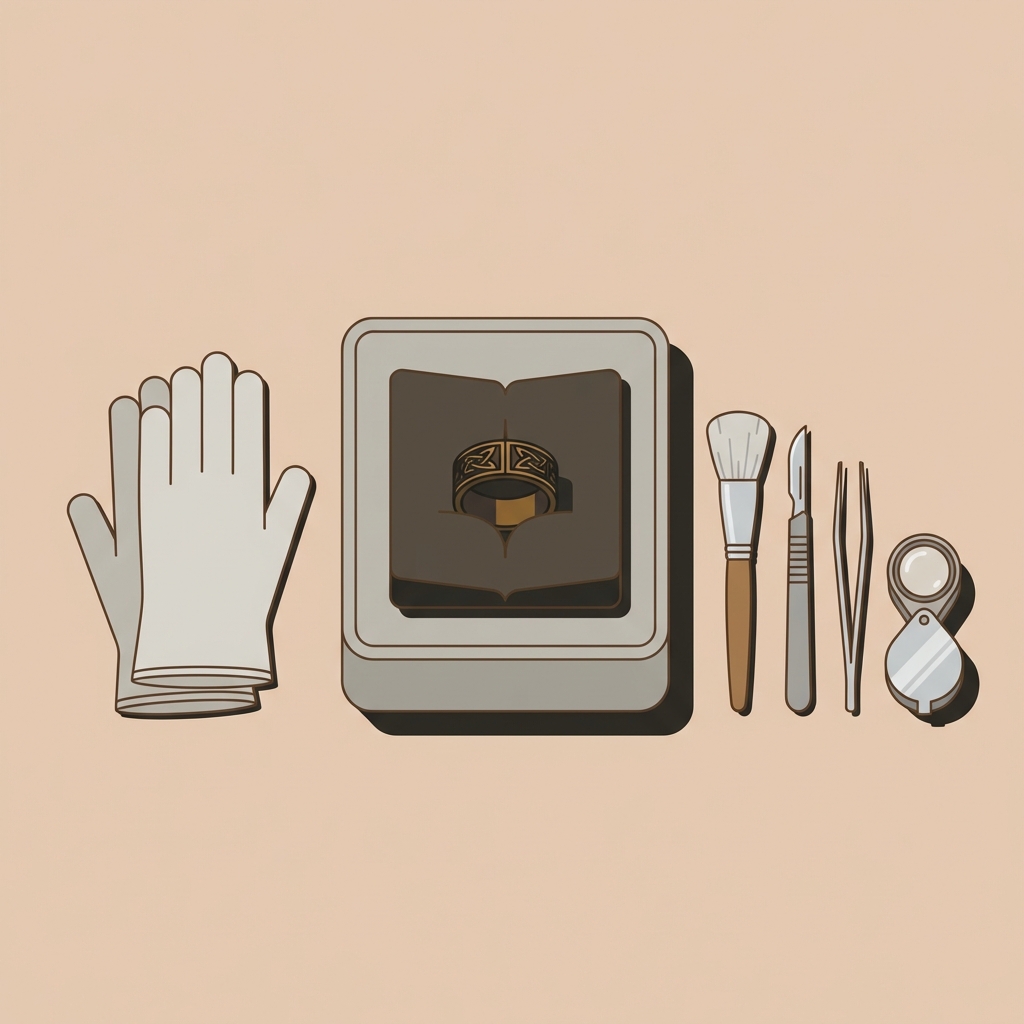
Store historic rings separately in padded containers at stable, low humidity and away from direct sunlight. Simple archival boxes, soft pouches and silica gel packets help reduce risk. When transporting items, use cushioning to limit movement and accidental contact with other metal objects.
When in doubt, get specific advice. Conservators and museum departments can often provide guidance tailored to the alloy, joining technique and any inlaid material on a ring. Prioritizing specialist input reduces the chance of unintentional damage during wear or care.
Styling and etiquette: when and how to wear Celtic knot imagery respectfully
Choose occasions with discretion. Everyday wear is often unobtrusive, but public displays or ceremonial use can invite questions. A knot worn as a personal piece of heritage or a studied accessory tends to be read differently than a decorative prop used for shock or stereotype The Conversation.
Learn and share context when appropriate. If you post images or talk about the ring, a short caption noting the motif’s Insular origins and any provenance helps orient viewers and signals that you have engaged with the object’s history rather than treating the motif as a generic fashion element British Library.
Be cautious in religious or ceremonial settings. Because knotwork can appear in Christian Insular manuscripts and objects, wearing such motifs in liturgical services where you are not part of that community may be perceived differently than casual wear. When uncertainty exists, consider wearing the piece in secular contexts or asking for local guidance British Museum collection overview.
Small communicative practices make a difference. Verbally acknowledging the object’s origin when someone asks, linking to reputable museum resources in captions, or explaining why you chose to wear the ring signals respect and reduces the likelihood of misunderstanding The Conversation.
Buying guide: decision criteria for purchasing an ancient celtic ring
When considering a purchase, prioritize documentation. Ask for provenance statements, collection history, and any verification letters that accompany the object. Clear documentation helps establish how the ring was identified and whether it passed through institutional or private collections with recorded histories V&A Museum conservation guidance. See our Celtic Rings collection.
Aurora Antiqua presents curated ancient rings with condition and restoration notes and, when available, provenance references; use those details to weigh whether a piece is suitable for wear or better for display

Request condition photos and specific questions about past restoration. Ask which joins were re-soldered, whether any fills or modern adhesives were used, and whether stones or inlays are stable. Restoration notes that specify what was stabilized and what remains original allow you to assess whether the ring is safe for occasional or daily wear V&A Museum conservation guidance, or see listings in our rings collection.
Negotiate practical protections. A seller’s return policy, documented condition photos, and a window for professional inspection can reduce risk. If a piece requires resizing to fit, ask for conservator-approved methods or a written opinion before proceeding with physical alteration British Library practice.
Consider consulting an independent conservator for high-value or fragile items. A short condition assessment from a conservator experienced with archaeological metals can clarify whether a ring is wearable, needs stabilization, or should remain in display-only condition.
Finally, assess your intentions and planned use. If you intend to wear a ring with knot imagery in public-facing or ceremonial roles, weigh whether additional provenance and a conservator opinion are warranted to reduce cultural and preservation risk British Museum collection overview.
Common mistakes and red flags to avoid
A common conservation mistake is over-cleaning or using chemical agents on historic metalwork. Aggressive cleaning can remove patina and surface evidence that are part of the object’s history and can chemically damage alloys, so avoid DIY treatments without conservator advice V&A Museum conservation guidance.
Another red flag is vague provenance. Listings that rely on phrases such as "believed to be" without supporting documentation, or that lack clear collection history, should prompt caution. If a seller cannot provide verifiable details, assume the piece may be better suited to study than daily wear.
Amateur repairs and undocumented alterations are also concerning. Resizing, soldering or modern inlays that are not described in restoration notes can compromise structural integrity and affect whether a ring should be worn. Ask for explicit restoration notes and photographs that show altered areas V&A Museum conservation guidance.
Using cultural motifs as costume or caricature is a social and ethical misstep. Treat knotwork as visual heritage; avoid employing the motif to evoke clichés or to create an inauthentic sense of belonging. When uncertain, default to modest, informed presentation and clear attribution of the motif’s origins The Conversation.
Scenarios and practical examples; concluding recommendations
Scenario 1: A family heirloom ancient celtic ring. If a ring has clear family provenance, condition notes showing stable structure, and minimal invasive restoration, wearing it as a personal heirloom is often appropriate. Keep wear modest and ask a conservator whether any stabilization is recommended before frequent use V&A Museum conservation guidance.
Scenario 2: A museum-provenanced ring purchased for events. A ring with institutional provenance and detailed restoration notes can be suitable for occasional public wear, provided you follow conservator guidance on handling and avoid exposing it to moisture or abrasive contact. Carrying documentation or a short provenance note for conversation can also be useful British Museum collection overview.
Scenario 3: When to keep the piece for study or display. If provenance is unclear, condition notes indicate structural weakness, or restoration is undocumented, treat the object as a study or display piece rather than a wearable habit. Consultation with a conservator can help determine whether future stabilization would make occasional wear possible British Library curatorial practice.
Concluding recommendations: Respect the knotwork’s Insular origins, prioritize documentation and conservator advice, and choose contexts for wearing the piece that minimize cultural or physical risk. When in doubt, err on the side of preservation and transparent attribution, and seek specialist input for item-specific decisions V&A Museum conservation guidance.
Yes, many people wear knot motifs respectfully if they learn the history, acknowledge origins and avoid using the motif in sacred ceremonies where they are not members of the community.
Do not use household chemicals or abrasive polishes; follow conservator guidance and seek professional treatment for fragile or corroded metalwork.
Request provenance statements, condition and restoration notes, clear condition photos, and any verification letters or collection history the seller can provide.
More from Aurora Antiqua
References
- The Book of Kells, The Library of Trinity College Dublin
- Celtic knot, English Wikipedia, Wikimedia Foundation
- The iconography of the Hunterston brooch and related early medieval material, Proceedings of the Society
- The 'Tara' Brooch, National Museum of Ireland, Dublin
- Silver and plate, Icon, The Institute of Conservation (UK)
- How to Care For Your Jewellery: The Ultimate Guide by the National Association
- Stories, articles, blogs, news about our collections, British Library
- COVID-19: ¿Es la promoción de curso un regalo o una solución emocional?, The Conversation
- Insular art, Wikipedia