


Looking for the real thing? Browse our Medieval ring collection, each piece one of one, individually authenticated, with documented provenance. For the background, see the guide to medieval jewelry.
Quick overview: how rings fit into Viking Age personal adornment
Rings are a common element in Viking Age burial and hoard contexts and appear with both male and female burials, so they form a central part of personal adornment in many Scandinavian assemblages; collectors should treat this as a starting point for further typological comparison National Museum of Denmark overview on Viking Age jewellery.
There is no single, universal "Viking ring finger" established in the literature; the available evidence is varied and often contextual, which means a specific antique viking ring will usually require typological and metric assessment before assigning a likely finger.
Follow @auroraantiqua for finds, restorations and provenance notes
This guide explains what the record can and cannot tell us, and how to assess an item using measurements, condition and provenance notes.
Short summary of main evidence types: archaeological finds, iconography and written sources each offer partial perspectives. Archaeological catalogues and museum syntheses provide the most consistent baseline for typology and distribution British Museum Viking galleries and catalogue. For additional comparative discussion of ring forms see a focused review of Viking rings.
Key takeaways for readers who want a fast answer
Fast answer: rings were common and worn by a range of people, but there is no single prescribed finger across regions and periods; an antique viking ring needs measurement and contextual comparison before you infer its likely finger.
Readers preparing to evaluate a listing should expect to combine internal diameter, hoop thickness and restoration notes with known museum exemplars and grave or hoard references when possible.
Defining terms: what archaeologists mean by 'ring' and how dating works
Archaeologists group Viking Age rings into several familiar shapes: simple wire rings, annular hoops, penannular open rings, and cast bezel or mounted rings. Each form implies different manners of manufacture and different constraints on fit and comfort Museum of Cultural History overview of Viking jewellery.
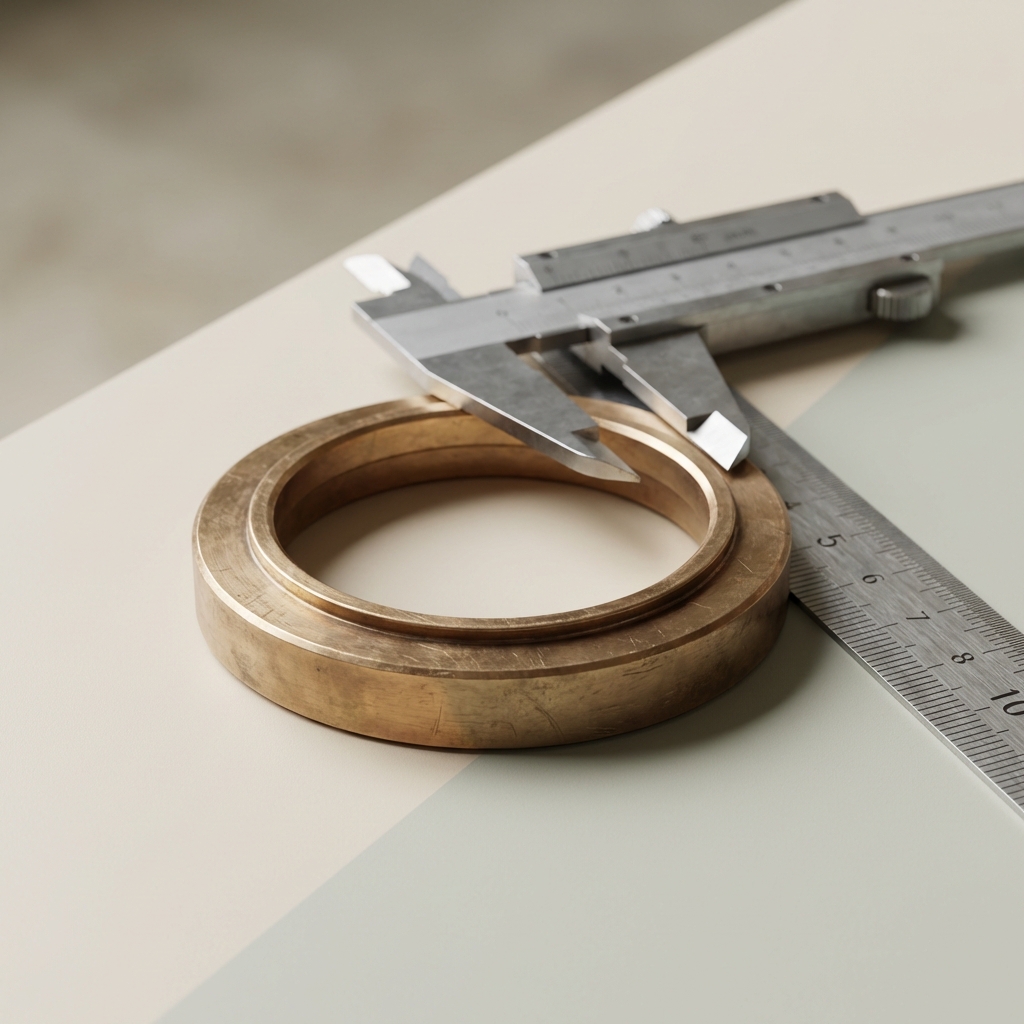
Wire rings are typically drawn from a single rod and bent into a hoop, annular rings are closed continuous hoops, penannular rings have a deliberate opening, and cast-bezel or mounted rings include a distinct setting or boss that alters weight distribution and fit.
Typology and context are the primary means of dating rings: a ring recovered within a dated grave or hoard is assigned a range based on the assemblage and comparable types, and workshop attributions can refine those ranges when present.
Material descriptions in sales listings are often practical descriptions rather than laboratory-confirmed assays; if precise material identification matters for fit or conservation, ask the seller for condition notes or any available testing documentation.
Common ring types and basic definitions
Wire rings are typically drawn from a single rod and bent into a hoop, annular rings are closed continuous hoops, penannular rings have a deliberate opening, and cast-bezel or mounted rings include a distinct setting or boss that alters weight distribution and fit.
How typology and context produce date ranges
Typological dating compares the form to dated finds from graves and hoards, while contextual dating uses secure associations in grave assemblages; both methods produce ranges rather than single-year dates and are most reliable when paired with provenance documentation that include typological comparisons.
Common Viking ring forms and what they imply about fit
Hoop thickness and internal diameter directly affect which fingers a ring can comfortably occupy; a thin wire hoop with a modest internal diameter can be moved between fingers, while a thick hoop or a heavy bezel will be constrained to larger fingers or used as a display piece BS EN ISO 8653:2026, TC, BSI, British Standards Institution.
Practical measurement steps start with internal diameter and hoop thickness; a careful internal measurement avoids the common mistake of using external diameter which overstates the wearable size.
The evidence does not support a single universal finger; likely finger placement depends on ring form, measurements and context, and collectors should use typology plus provenance and condition notes to make reasoned inferences.
Bezel and mounted rings alter balance and contact points: a heavy bezel shifts weight and can make a ring uncomfortable on smaller fingers, which is why large mounted rings are frequently interpreted as items meant for display or occasional wear rather than daily use. See also a synthesis of archaeological and written sources.
How hoop thickness and internal diameter affect likely finger
Internal diameter correlates directly with finger circumference and is the most reliable metric for inferring fit; document this measure in millimetres and compare it to modern sizing charts only as a rough guide, because cross-sectional shape changes fit in ways charts do not capture.
Bezel and mounted rings: fit, weight and likely fingers
Mounted rings with settings or bosses are heavier and often show wear consistent with limited wear or adoption as a status object; when assessing an antique viking ring of this kind, note bezel footprint and any asymmetrical wear that could indicate habitual placement on a particular finger.
Who wore rings: sex, status and social signals in the archaeological record
Archaeological reports indicate rings occur with both male and female burials in Viking Age series, showing broad use across sexes and age ranges; museum catalogues and grave reports provide examples across the social spectrum British Museum Viking galleries and catalogue.
Larger, heavier bezel or mounted rings appear more frequently in rich or high-status burials, while simple wire rings are common across social strata, suggesting different wearing practices tied to social signalling rather than a shared finger etiquette Regional review of burial assemblages and ring typology.
Gender representation in grave series
While some grave series show concentration of certain ring types with graves identified as female or male, regional and chronological variation complicates any direct mapping from sex to finger; avoid assuming modern finger norms when interpreting these patterns.
Status differences: simple wire vs heavy bezel rings
Bezel rings often accompany other high-status objects and can signal different social uses such as gift exchange, oath-taking or visible display, meaning their likely placement may be driven more by display and symbolism than by comfort alone.
Iconography and Old Norse texts: what images and words tell us
Iconographic evidence such as rune-stones and figurines, plus Old Norse texts, document ring exchange, oaths and display but do not provide a rulebook for finger etiquette; these sources illuminate cultural meaning rather than prescriptive dress codes Iconographic synthesis on rings and ritual.
Old Norse texts often record rings as gifts, pledges or ritual objects; while these passages attach social meanings, they rarely specify which finger a ring should occupy, so they are best used to understand function rather than precise wearing practice Review of Old Norse sources on rings.

Rune-stones, figurines and depictions of rings
Depictions on stone and small-scale figures can show how rings were held, offered or displayed, and they add cultural context that complements burial evidence without prescribing a single convention for finger placement.
Saga and law references to ring exchange and ritual
Saga passages and legal references highlight rings as items of social action-gifts, swaps and oath tokens-further supporting the view that cultural role mattered as much as physical comfort when rings were chosen and worn.
Regional and chronological variation: why a single 'Viking ring finger' is unlikely
Regional hoards and local grave series show different frequencies of ring forms; some regions favour thicker hoops or particular bezel shapes, which affects which fingers rings could comfortably occupy in those places and periods Regional review of burial assemblages and ring typology.
Dating ranges and workshop attributions shift preferences over time, so a form common in the ninth century in one area can look different from a tenth century ring elsewhere; comparative study with museum catalogues helps identify these patterns National Museum of Denmark overview on Viking Age jewellery.
Examples of regional preferences in grave series
Single-site series should not be generalized without comparison to regional syntheses, because local burial customs and workshop traditions can produce idiosyncratic distributions of forms and sizes.
Chronological shifts in ring fashion and function
Over time some forms gain or lose decorative emphasis or mounting complexity, and these shifts can affect both the physical fit and the social meaning attached to who wore which rings and how often.
What the evidence lacks: osteological limits and research gaps
Secure osteological evidence linking a ring to a specific finger is scarce in published assemblages, so many attributions of exact finger-use are inferential and conditional on typological comparison rather than direct bone-level evidence Regional review of burial assemblages and ring typology.
Improved in-situ documentation and detailed osteological recording in future excavations could strengthen claims about finger use, but until then collectors should treat finger attributions as probable rather than certain Museum of Cultural History discussion of jewellery and context.
Record internal diameter, hoop thickness and restoration notes for a ring
Use calibrated tools and note measurement method
Because many published site reports do not include finger-level placement, combining typology, measurements and provenance is the most reliable current approach for attributing likely finger placement for a given antique viking ring.
Why direct finger-placement data is rare
Burial excavation priorities, taphonomic movement and historic recovery practices often meant fine-grained placement data for small objects like rings was not recorded, which is why osteological links are limited in published assemblages.
A practical framework for collectors: how to assess likely finger placement
Step 1: measure and record internal diameter in millimetres, document hoop cross-section and note any bezel footprint; these measures are the basis for comparing a ring to likely finger sizes and to museum exemplars National Museum of Denmark overview on Viking Age jewellery.
Step 2: check typology and restoration notes to understand whether the ring has been resized, repaired or stabilised; recorded restoration can change effective fit and must be considered when inferring the original finger British Museum Viking galleries and catalogue.
Step 3: compare your measurements and typology to museum exemplars and published grave or hoard finds before asserting a likely finger; matching to documented examples reduces the risk of misattribution Catalogue of the Engraved Gems and Finger-Rings in the Ashmolean Museum, II: Roman, BAR Publishing, via Fulcrum and our rings collection can help with comparative images and sizes.
Step 1: measure and record dimensions
Measure internal diameter with calipers at two orthogonal axes to account for deformation, and report hoop thickness near the shank and under the bezel separately if applicable; record all measurements and include them in any listing or query to the seller.
Step 2: check typology, condition and restoration notes
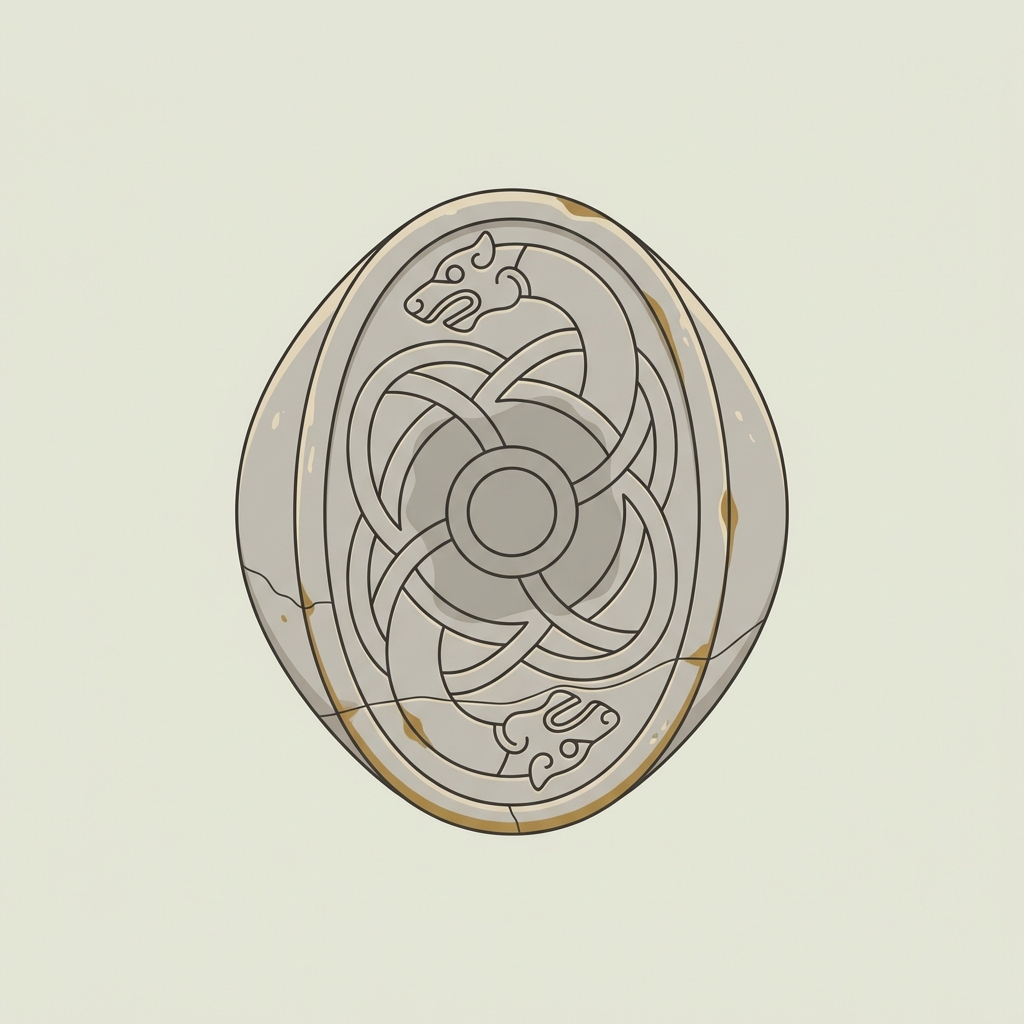
Ask sellers for explicit restoration notes that state what was stabilised or repaired and whether any resizing occurred; if a ring has been opened and soldered, its current size may differ from the original wear, which matters for finger inference.
Step 3: compare to museum exemplars and documented finds
Look for comparable examples in museum catalogues or published hoard and grave reports, and prioritise exemplars with secure context; similar shape, bezel footprint and measurements strengthen a case for a particular likely finger. You may also find related items in our medieval crusader rings collection that illustrate bezel footprints and shank types.
Decision checklist: should you buy this antique Viking ring for wearable use?
Quick checkpoints: clear internal diameter measurement, multiple-angle photos, explicit restoration notes, and some provenance or collection history make a listing suitable for serious consideration; absence of these should prompt further questions British Museum Viking galleries and catalogue.
Ask for additional documentation such as previous collection references or verification letters when the item lacks clear provenance or when restoration notes are vague; when in doubt, request conditional return terms or independent assessment.
Quick yes/no style checkpoints
Yes if the listing includes calibrated measurements, restoration transparency and comparative references; question the purchase if measurements are absent, images are limited or restoration notes are unclear.
When to ask for more documentation or third-party checks
Request third-party reports when provenance is incomplete or when material identification affects conservation or wearable decisions, and consider the costs and timeline of such checks as part of the purchase decision.
Typical mistakes and how to avoid misattributing finger use
A common listing error is using external diameter rather than internal diameter, which overstates the wearable size and can lead buyers to assume a ring fits a smaller finger than it does; always request internal caliper measurements Museum of Cultural History guidance on jewellery measurement.
Another pitfall is assuming modern ring etiquette or contemporary finger sizing systems apply directly to Viking forms; historic workshop practices and cross-sectional shapes change comfortable fit, so take a cautious approach.
Common listing errors and misleading descriptions
Watch for vague restoration notes that do not state whether a ring has been resized or stabilised; such omissions make reliable finger attribution difficult and should prompt follow-up questions to the seller.
Pitfalls in measurement and comparison
Don’t rely on a single measure; combine internal diameter, hoop cross-section and bezel footprint to reach a better-supported inference about likely finger placement.
Practical examples and scenarios: applying the framework to ring types
Thin wire ring example: an annular wire ring with an internal diameter of around 18 mm and thin hoop can often be moved between several fingers; its flexibility and low weight make finger assignment tentative unless contextual evidence supports a specific choice National Museum of Denmark overview on Viking Age jewellery.
Large bezel ring example: a heavy cast bezel with a two centimetre bezel footprint and a 22 mm internal diameter is more comfortable on larger fingers, or may have been designed for occasional display; its weight and bezel geometry make daily wear on smaller fingers unlikely Museum of Cultural History overview of Viking jewellery.
Thin wire ring example: likely fingers and caveats
For thin wire rings, expect adjustability and be cautious about assuming a single historical finger; small repairs can also alter circumference so cross-check restoration notes.
Penannular and transitional forms: special considerations
Penannular and split rings allow some adjustability by design, but repeated opening and closing can thin the metal or leave solder marks, which affect both fit and conservation needs.
How good listings and sellers can present better documentation
Good listings include calibrated internal diameter, multiple-angle photographs with scale, explicit restoration and condition notes, and any provenance or collection history references that exist; these practices let buyers and researchers make informed inferences about finger placement British Museum Viking galleries and catalogue.
What to include in a listing for clear assessment
At minimum, provide internal diameter in mm, clear images of the interior and bezel, and a short restoration note stating whether the piece was soldered, stabilised or left as found.
How restoration and provenance notes should be written
Use simple factual phrasing: state what was done, who did it if known, and whether documentation accompanies the work; avoid vague formulations that obscure interventions.
Conclusion: measured takeaways for collectors and enthusiasts
There is no single Viking ring finger supported across regions and periods; inference about placement depends on typology, measurements and provenance rather than a universal etiquette Museum of Cultural History overview of Viking jewellery.
Practical steps for collectors are straightforward: measure internal diameter, check restoration and condition notes, compare to museum exemplars and request provenance or documentation when needed; treat any finger attribution as a reasoned inference rather than a certainty British Museum Viking galleries and catalogue.
No. Current evidence shows wide variation across regions and periods, so assigning a single finger is not supported by the archaeological record.
Ask for internal diameter in millimetres, hoop thickness, bezel dimensions, and clear photos of the interior and any repairs.
Old Norse texts describe social meanings of rings but do not prescribe a fixed finger for wearing them.
More from Aurora Antiqua
References
- Vikingtid, Kulturhistorisk museum, Universitetet i Oslo
- BS EN ISO 8653:2026, TC, BSI, British Standards Institution
- Aegean and Cypro-Aegean Non-Sphragistic Decorated Gold Finger Rings, American Journal of Archaeology
- Catalogue of the Engraved Gems and Finger-Rings in the Ashmolean Museum, II: Roman, BAR Publishing, via Fulcrum
- Pliny the Elder, The Natural History, BOOK XXXIII, Perseus Digital Library, Tufts University (edition Bostock)
- Aulus Gellius, Attic Nights, Book X, LacusCurtius, Bill Thayer, University of Chicago (Loeb Classical Library edition)
- Ring, The Cleveland Museum of Art
- Thumb Ring, The Cleveland Museum of Art
- Prehistoric period (until 1050 AD), National Museum of Denmark, Copenhagen
From Aurora Antiqua
We sell authenticated ancient & medieval pieces, each individually examined before listing and backed by a Lifetime Authenticity Guarantee. One of a kind, sold once, never reproduced.
Browse Medieval & Crusader Rings →