


Looking for the real thing? Browse authenticated Ancient Roman rings, each piece one of one, individually authenticated, with documented provenance. For the background, see the guide to buying ancient artifacts.
romanjewelry: what we mean and why authentication matters
In collector circles the term romanjewelry refers to ancient Roman era rings and related small artifacts presented as collectible jewelry, often described as an ancient ring when cataloguing wearable items. For anyone considering such pieces, understanding the interplay of physical condition, documented provenance and restoration notes is central to assessing likely authenticity; visual cues and basic at home checks can be useful first steps but typically do not settle questions about age or original manufacture without supporting documentation and targeted testing, as discussed in conservation literature such as the British Museum research blog British Museum research blog.
Collectors should expect that listings for romanjewelry will include condition notes that describe wear consistent with age, any restoration notes that explain stabilisation or repairs, and provenance or collection history where available; those elements often influence expert judgements more than a single surface test, and careful reading of documentation helps set appropriate expectations before buying or commissioning tests, in line with disclosure guidance such as the FTC Jewelry Guides FTC Jewelry Guides.
Start here: visual inspection and hallmarks for romanjewelry
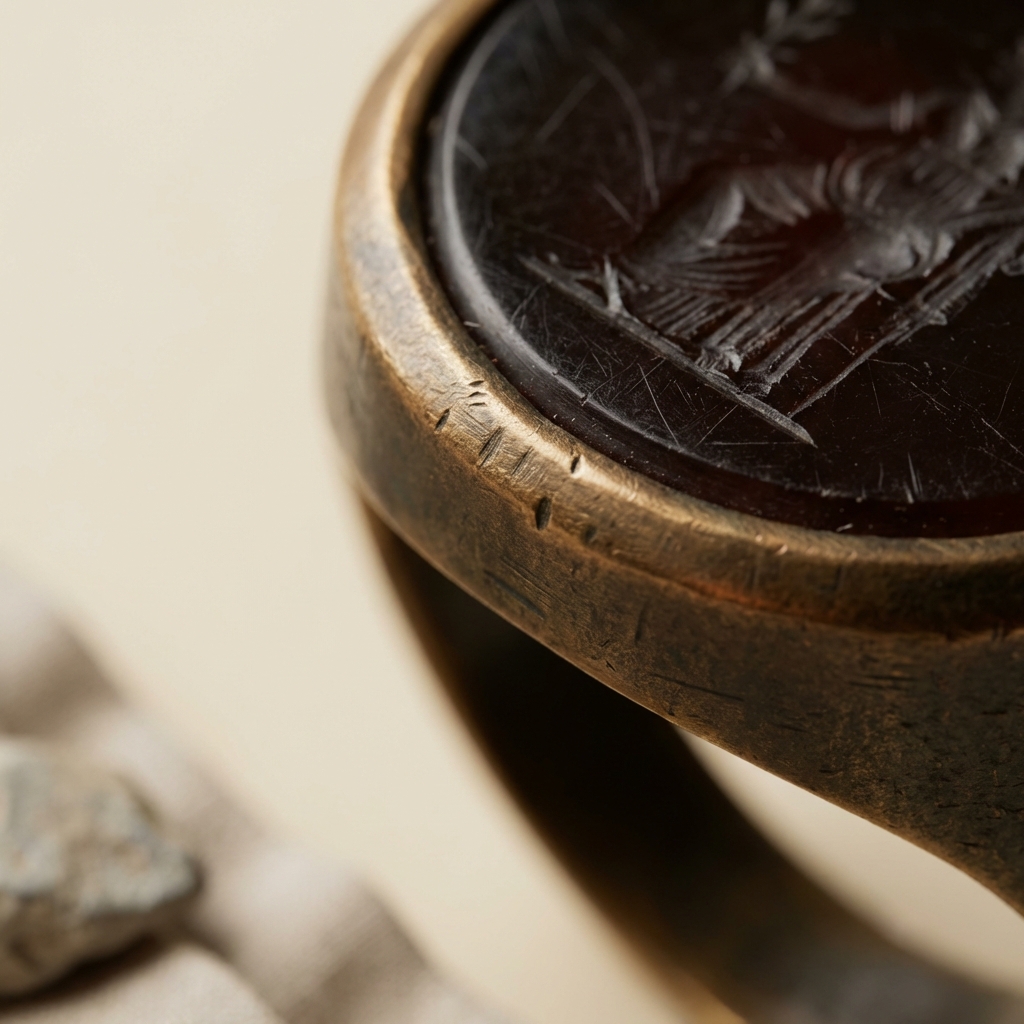
Begin with high quality photographs and measurements, because many early decisions are made from images: look for overall proportions, bezel and shoulder form, signs of tool marks or hand finishing and wear consistent with repeated use rather than uniform abrasion. Use a loupe or a phone macro photo to examine edges of the bezel and any intaglio for tool marks and microscopic wear that matches the claimed period; these visual clues are often the first indicators that a piece is likely an ancient ring rather than a modern reproduction, and this approach mirrors practical guidance used by specialists and consumer protection advisers GIA how to spot fake gemstones and diamonds.
When present, hallmarks and maker marks are useful but must be read cautiously: look for clear karat stamps, maker marks and consistent placement, and cross check any visible stamp against regional hallmark databases where possible because marking systems and conventions vary by era and region; remember that absence of a hallmark does not prove a piece is modern, and inconsistent marks can be a sign of both old repairs and later tampering, as noted in consumer protection guidance FTC Jewelry Guides.
See behind‑the‑scenes inspection and documentation on @auroraantiqua
If you need help understanding a listing s documentation or condition notes, contact Aurora Antiqua for clarification about how we present provenance and restoration information; we can point to what to examine in photos and which questions to ask the seller.
Simple at-home checks you can try safely
Safe, low-risk tests can reveal many modern imitations: a basic magnet test, careful weight comparison against a known standard, and close magnification often uncover plated or base metal constructions because those materials respond differently to magnets and have different densities; these practical checks are recommended as preliminary steps by consumer testing organisations and gemological advisers Consumer Reports how to tell if jewelry is real.
To run a magnet test, use a small neodymium magnet and note whether the piece shows any attraction; a magnetic response commonly indicates a significant amount of base metal, though some alloys and modern treatments can confuse the result. For weight comparison, record dimensions carefully and compare the feel and measured weight to a reference item of the same type and presumed metal; hollow or heavily plated items will often feel lighter than expected. Use a loupe or phone macro to inspect solder joins, plating edges, and any tooling marks; modern casting and finishing often leave telltale signs such as seam lines or uniform surface finish that differ from hand- worked ancient examples, and a magnified image can be enough to prompt a deeper inquiry rather than a purchase.
Why nitric acid tests and other destructive methods are risky for antiquities
Nitric acid tests are designed to remove tiny amounts of surface metal and react differently depending on alloy composition, which can help distinguish karat levels of gold and reveal base metal beneath plating; however, the process alters the surface and can remove patina or original finishes, so it is generally not appropriate for items where conservation and documented age matter, a caution echoed in both consumer guidance and conservation practice Archaeological materials, Icon, The Institute of Conservation (UK).
Start with careful visual inspection, hallmarks and condition notes, use safe at home checks to screen for obvious modern fakes, and when doubt remains get a written, test based report from an accredited lab or a conservator.
Beyond surface damage, destructive testing creates ethical and legal concerns when applied to items offered as antiquities because it may damage evidence that supports provenance or condition notes; conservators and many dealers recommend leaving such tests to qualified professionals who can perform them in a controlled way and record any sampling in the conservation report, consistent with guidance on responsible testing FTC Jewelry Guides.
When to seek professional testing: portable XRF, microscopy and lab reports
Non- destructive methods such as portable XRF, microscopy and various forms of spectroscopy now offer far stronger, testable evidence about metal composition and manufacturing techniques without removing material, and their wider recommendation for heritage objects has increased since 2024; these approaches are described in recent reviews of conservation science Nuclear Techniques for Cultural Heritage Research (IAEA Radiation Technology), International Atomic Energy.
Portable XRF can identify elemental composition at the surface and near surface, which helps distinguish silver, copper alloys and certain treatments, while microscopy reveals tooling marks, wear patterns and microscopic corrosion consistent with long term burial or use. When you commission a report, expect a written document that lists the methods used, the results with clear statements about limits and detection thresholds, and photographs or micrographs; that level of transparency helps collectors and sellers understand the basis for any conclusions and is recommended by both labs and conservation bodies GIA how to spot fake gemstones and diamonds. For examples of portable XRF applied to art and heritage objects see applications of portable XRF for archaeometry.
Availability and cost vary: portable XRF services and museum conservation labs sometimes offer assessments for a fee, and commercial analytical laboratories provide written reports; pricing and access are uneven, so weigh the cost against the value of the piece and the clarity of existing documentation before commissioning tests Echtheitsuntersuchungen (authenticity testing), Curt-Engelhorn-Zentrum Archäometrie (CEZA), Mannheim. Manufacturers and service providers publish application notes on compositional analysis for precious metals, for example Bruker: gold, silver and platinum analysis and guides that explain the role of XRF in authentication what's the role of XRF in jewelry authentication.
How provenance, condition and restoration notes shape authentication for ancient pieces
For ancient jewelry, provenance and collection history frequently carry more weight than single home tests because they provide contextual evidence about where a piece came from, prior ownership and any published references; museums and conservators place strong emphasis on such documentation when assessing items described as antiquities, and the way a seller sets out provenance can change how experts read scientific results British Museum research blog. See our discussion of the timeless appeal of Roman jewelry for more on intaglio rings and presentation.
Condition notes and restoration notes should state whether a piece was stabilised, repaired or left essentially untouched, and they should explain materials used in any restoration; clear restoration notes allow a conservator or lab to interpret analysis correctly, because modern repairs can introduce new materials or alter surface chemistry in ways that mimic or mask original features, a point emphasised in conservation literature Investigating Ancient “Bronzes”, J. Paul Getty Museum and Getty Conservation Institute, Los Angeles.

When documentation is incomplete or contradictory, an independent lab report or an accredited conservator s written opinion will usually be the decisive next step; seek reports that describe test methods and limitations rather than only offering short statements of authenticity, because transparent reporting lets you and future owners interpret the findings in context Publication 561 (12/2025), Determining the Value of Donated Property, Internal Revenue Service (IRS), USA.
Practical evaluation framework: a step-by-step checklist for romanjewelry
Use a ranked sequence: first confirm listing photographs, measurements and condition notes; second, perform safe at home checks (magnet, weight, loupe); third, review provenance and restoration notes; and only then consider professional lab testing or a conservator referral. This staged approach helps avoid unnecessary destructive testing and aligns with best practice advice from consumer and conservation sources E.C.C.O. Professional Guidelines (II): Code of Ethics, European Confederation of Conservator-Restorers'.
Before sending a piece to a lab, prepare a documentation packet: high resolution photos from multiple angles, macro shots of hallmarks, clear measurement sheet, the seller s description and any previous reports. Include notes about where and when the item was acquired, and any known collection history; labs and conservators can work faster and with fewer surprises when they receive a well- organised packet, which also reduces the risk of unnecessary handling or sampling during analysis GIA how to spot fake gemstones and diamonds.
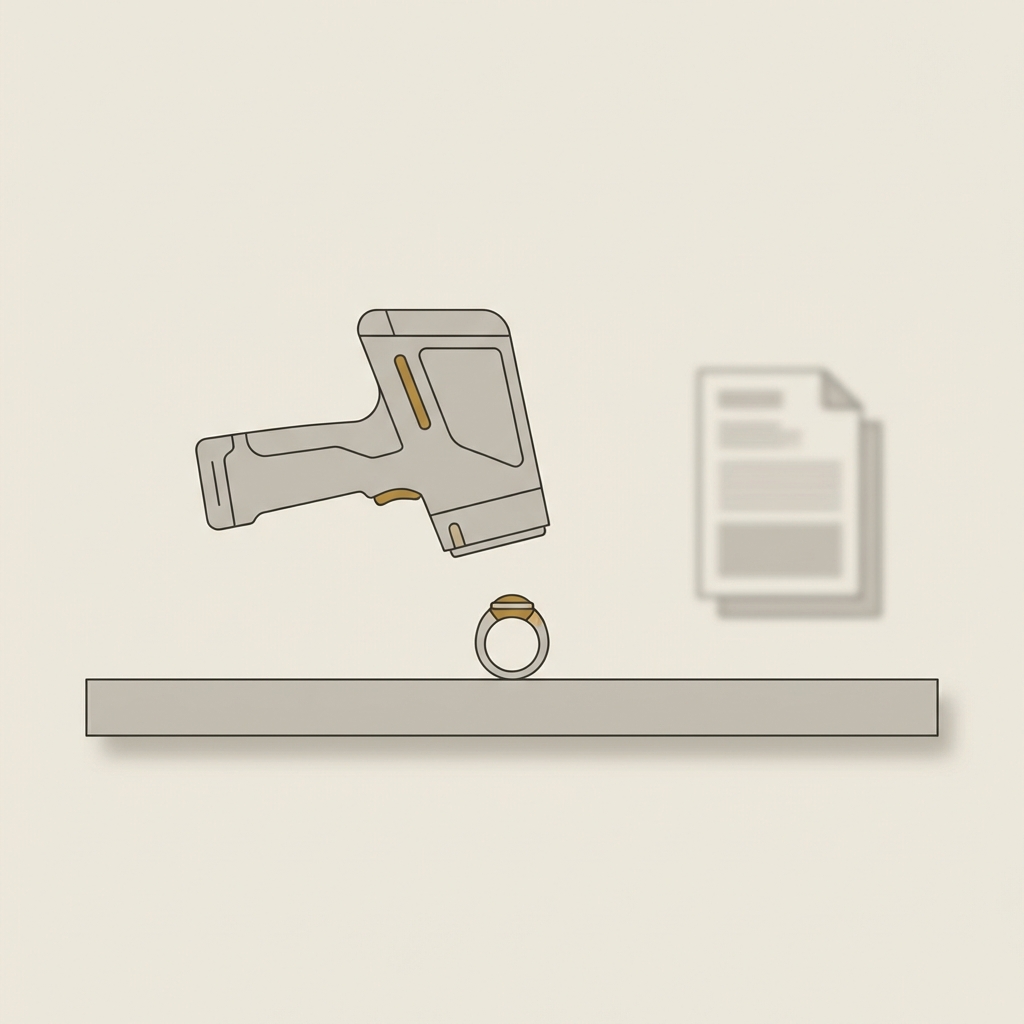
Decision thresholds: if visual inspection and documentation present a coherent picture with clear provenance and consistent wear, a conservator opinion may suffice; if there are unexplained modern tool marks, inconsistent alloy indications, or a high value at stake, commission non- destructive testing such as portable XRF and request a written, methodical report from a lab, which is the common recommendation among specialists Portable XRF for paintings and metals authentication, npj Heritage Science (Springer Nature), DOI.
Common mistakes and pitfalls collectors make when checking authenticity
A frequent error is relying on a single at home test such as a magnet or weight check and treating its result as definitive; modern plating, composite materials and certain alloys can produce false negatives or false positives, and experts caution against over- reliance on isolated checks without supporting documentation or lab analysis American Gem Society home tests for gold and silver.
Another common pitfall is misreading patina or restoration as damage: natural surface corrosion and wear patterns often indicate age, but conservation treatments and polished repairs can alter appearance in ways that look modern to an untrained eye. Rather than attempting invasive tests yourself, document suspected issues clearly and consult an accredited conservator who can advise whether sampling or analysis is appropriate British Museum research blog.
a simple photography and loupe checklist to document an item
Take multiple angles
Case examples, next steps and responsible buyer takeaways
Marketplace listing scenario: an online listing shows good photos but no provenance and a faint karat stamp; start with a close visual inspection, request additional macro photos, run the safe home checks and ask the seller for condition and restoration notes; if uncertainty persists about composition or workmanship, commission a portable XRF scan and request a written report before committing to purchase, as labs and conservators recommend for unclear cases About us, International Association of Dealers in Ancient Art. You may also browse our ancient Roman rings collection for comparable examples.
Family heirloom scenario: a ring passed down with a note saying it might be Roman but without paperwork should be documented thoroughly with photos and measurements, and a conservator consult can help decide whether non- destructive testing or only treatment advice is appropriate; provenance, collection history and any prior conservation records often change the best next step for handling and testing British Museum research blog.
Documented antiquity scenario: when a seller provides strong collection history and restoration notes, weigh those documents alongside any independent publications or previous lab tests; if the paperwork is coherent and samples are consistent with known comparative materials, a conservator s report that explains stabilisation may be sufficient to support a purchase, but always ask for clear descriptions of what tests were done and their limits Publication 561 (12/2025), Determining the Value of Donated Property, Internal Revenue Service (IRS), USA.
Next steps: collect your documentation packet, choose either a conservator or a lab depending on the piece s condition and provenance, and ask for a written, test based report that lists methods and limitations. Keep copies of all reports and photographs with the piece s record so future owners and experts can build on the documentation chain, which is often the most persuasive indicator of authenticity for ancient pieces Object ID, International Council of Museums. For general browsing of period jewellery see our rings collection.
Romanjewelry refers to ancient Roman era rings and related small wearable artifacts described as collectible items. The term is used by collectors to denote objects likely originating in Roman period contexts, often catalogued as an ancient ring when applicable.
No. A magnet test can indicate base metal content but cannot reliably identify plated items or modern composites. It is a useful preliminary check but should be paired with visual inspection and documentation review.
Consider a lab report when provenance is unclear, you detect inconsistent tool marks or alloy indications, or the piece has significant value. Prefer non‑destructive tests and a written report from an accredited lab or conservator.
More from Aurora Antiqua
References
- Archaeological materials, Icon, The Institute of Conservation (UK)
- Nuclear Techniques for Cultural Heritage Research (IAEA Radiation Technology), International Atomic Energy
- Echtheitsuntersuchungen (authenticity testing), Curt-Engelhorn-Zentrum Archäometrie (CEZA), Mannheim
- Investigating Ancient “Bronzes”, J. Paul Getty Museum and Getty Conservation Institute, Los Angeles
- Publication 561 (12/2025), Determining the Value of Donated Property, Internal Revenue Service (IRS), USA
- E.C.C.O. Professional Guidelines (II): Code of Ethics, European Confederation of Conservator-Restorers'
- Portable XRF for paintings and metals authentication, npj Heritage Science (Springer Nature), DOI
- About us, International Association of Dealers in Ancient Art
- Object ID, International Council of Museums