


Looking for the real thing? Browse our Medieval ring collection, each piece one of one, individually authenticated, with documented provenance. For the background, see the guide to buying ancient artifacts.
What collectors mean by ancient Celtic ring money
The phrase ancient Celtic ring money is often used by collectors and dealers as a shorthand for rings that have a measurable market value because of their material, confirmed dating, provenance, condition notes and buyer demand rather than purely sentimental significance. In other words, calling an object ancient Celtic ring money signals that multiple evidence lines point to saleability in collector channels. Auction Terminology, Christie's.
Price is rarely assigned on a single attribute. For most circulated ancient rings, metal content interacts with confirmed or credible dating, collection history and condition to form a market proposition. Legal and ethical status can change saleability and therefore monetary value, so provenance documentation is part of how collectors decide if a piece should be treated as marketable.
Five quick checks to prioritise a ring for further valuation
Use as first triage before paid tests
Collectors use the term ancient ring to distinguish an antiquity from a modern copy or replica, and they expect condition notes that describe wear consistent with age, stable patina and any restoration notes. When these elements are present, the object is more likely to enter specialist-dealer or auction-house channels rather than casual resale markets.
Why some ancient rings have monetary value
Material and craftsmanship remain primary drivers of intrinsic value. Precious metals and confirmed gemstones raise the baseline interest for a piece; identification and testing that show genuine metal fineness or a usable gem certificate can move a ring into higher market tiers. When a metal or gemstone identity materially affects value, trusted testing routes are recommended for clarity Gemological Institute of America appraisal guidance.
Historical context and rarity also matter. A ring with a clear connection to a known culture or workshop, or one that exhibits distinctive iconography, will attract specialist collectors who look beyond metal content. Documented collection history or museum references often increase saleability because they reduce provenance risk and shape buyer confidence. Getty Museum publication
Finally, market demand and comparables set realistic resale ranges. Auction house and specialist dealer sale results are the practical benchmarks many sellers consult to estimate what a ring might fetch in a sale room or through a vetted dealer channel resources from auction sellers.
Quick at home and desk checks you can do first
Before paying for laboratory testing or an appraisal, gather basic information: clear photos from multiple angles, measurements, weight if available, any visible hallmarks, and notes on condition such as axle cracks, missing bezels or stabilized repairs. These items form the minimum data most appraisers ask for and help decide next steps.
Use published hallmark databases and sale archives to look for matching marks and recent comparables, including our Celtic Rings collection, but treat desk checks as indicative rather than definitive. Official hallmarking systems can provide strong primary evidence for metal type in jurisdictions with active assay offices, yet they do not replace metallurgical testing if the piece could be plated or reworked hallmarking guidance from The Goldsmiths' Company.
Combine quick desk checks, hallmark verification, provenance documentation, condition notes and market comparables; for high value or uncertain items, commission accredited lab tests and a USPAP compliant appraisal.
If you find unclear provenance, a high precious metal content, or legal doubts about the object, pause further negotiations and escalate to a qualified appraiser or lab test. These escalation criteria help avoid spending on items where saleability is legally limited or where a quick test could prevent a costly mistake.
Reading hallmarks, assay records and what they tell you
Hallmarks are the best first desk check for metal fineness in areas with active assay systems. A clear, readable mark can be looked up in an assay office index and often confirms the declared metal and maker, which is essential for initial valuation and for choosing whether lab testing is necessary The Goldsmiths' Company hallmarking guide. See Decoding Jewellery Hallmarks for a practical primer.
Jurisdiction differences matter. Some regions have centuries of assay records and central databases, while others never adopted formal hallmarking. Where marks are absent or illegible, consider the likelihood of later rehallmarking, modern repairs, or deliberate alteration; these situations usually require metallurgical or expert assessment rather than a desk judgement.
Limitations of hallmark checks include worn marks, modern reworking and absent records. Use hallmark findings as a decision tool: a confident hallmark can reduce the immediate need for testing, but unclear marks or suspicious patterns should lead to lab verification before any high-value transactions are completed.
When provenance and legal status change a ring's value
Provenance documentation typically includes collection history, prior sale records, verification letters and any catalogue or museum references. These elements help buyers understand chain of custody and reduce legal or ethical uncertainty that can otherwise limit sale channels and damage market value.
International rules such as the UNESCO 1970 Convention affect trade in cultural property and therefore the saleability of objects with uncertain origins. When an item lacks clear export or ownership history, its legal status can constrain prospective buyers and complicate cross border sales UNESCO Convention on cultural property.

Aurora Antiqua positions itself as a curator that highlights collection history and condition notes, which can help collectors judge whether a ring has the documentation needed to be marketable. When provenance is documented, a ring is more likely to be accepted by auction houses or specialist dealers.
Assessing condition, restoration and patina
Collectors focus on several condition indicators. Structural integrity, presence and quality of patina, stabilized repairs, missing elements and whether any restoration has been documented all affect the market perception of an antiquity. Clear condition notes are among the first items buyers request.
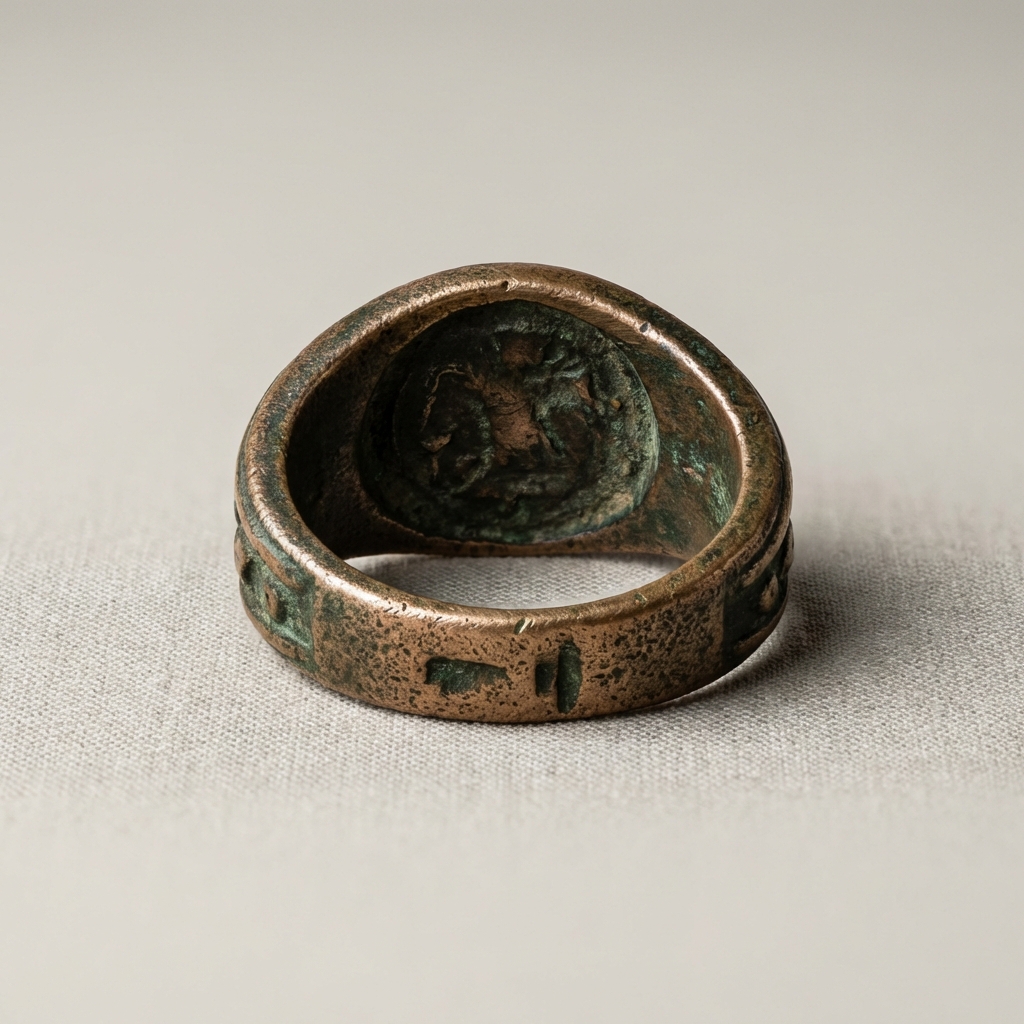
Restoration versus conserved original surfaces should be described explicitly. Documented restoration that is disclosed and stabilised can be acceptable to collectors, while undisclosed repair work often reduces trust and therefore saleability. Transparency in restoration notes increases buyer confidence when provenance is otherwise sound GIA guidance on appraisals and condition.
When photographing and describing a ring, prioritise close-ups of joins, bezels and any hallmark or maker mark, plus a clear image of the patina and interior surfaces. These images help remote appraisers and potential buyers assess whether visible repairs are stable or intrusive.
When to get a professional appraisal and what standards apply
Commission a professional appraisal whenever provenance is unclear, the ring contains significant precious metal or gemstones, or you require a formal report for insurance, tax or sale. Accredited appraisers following recognised standards provide defensible value opinions and documented reports that support commercial decisions.
Professional appraisals that follow the Uniform Standards of Professional Appraisal Practice offer a recognised structure for a defensible opinion, including identification, condition, basis for opinion and comparable sales. For formal needs such as insurance or estate reporting, a USPAP compliant report is the appropriate document to request Publication 561 (12/2025), Determining the Value of Donated Property, Internal Revenue Service (IRS), USA.
Follow @auroraantiqua for behind the scenes context
For high stake cases, a USPAP compliant appraisal is a logical next step because it provides a written, defendable opinion without sales pressure.
Expect an appraisal report to include physical description, condition notes, testing history if done, the appraiser's rationale and comparable sales used to reach the value opinion. Check appraiser credentials and any professional affiliations before commissioning a report.
How auction results and specialist dealers set price ranges
Auction house and specialist dealer sale results provide practical comparables. Look for lots with similar material, era, iconography and documented provenance to form a baseline range, but remember that published sale highlights can be selected examples and may not reflect reserves or private sale terms market resources from specialist dealers.
Adjust comparables for condition, documented provenance and rarity. For example, the same motif may sell differently when one example has a clear collection history and another lacks documentation. These qualitative adjustments are central to forming a realistic resale estimate.
Also note seller fees, buyer premiums and condition of sale. Auction results show hammer prices, but realised proceeds depend on fees and sale conditions, so use results as a guide rather than a direct price substitute.
Materials and gem testing: when lab work matters
Metallurgical and gemological testing is worth the cost when metal or gemstone identity materially affects value. Tests that confirm gold fineness or identify a gemstone can change the valuation outcome and the channels through which a ring can be sold, so these tests are commonly recommended for high value items GIA testing guidance.
Trusted testing routes include accredited gemological laboratories for stones and recognised assay services for metal analysis. A lab report typically states identification, any treatments, measurements and an opinion on origin where applicable. Use the report as a documented input for appraisals and sale listings.
Interpreting lab reports requires attention to limiting conditions and scope. Many reports include testing limits, whether destructible testing was performed and the instruments used. Appraisers and buyers use these details to judge confidence in the results rather than treating a short certificate as definitive without context.
Typical mistakes and red flags to avoid
Common red flags include missing provenance, inconsistent or unclear hallmarks, undocumented repairs and pressure sales language. These issues increase risk and should prompt additional verification such as more photos, lab tests or a professional appraisal hallmarking pitfalls explained.
Overreliance on unverified photos, single unsourced comparisons or enthusiast forums can mislead. Good practice is to request original images of hallmarks, interior surfaces and any export or collection paperwork before making decisions.
To mitigate risk, ask for condition notes, provenance documentation and any existing lab or appraisal reports. If these are absent and the potential value is substantial, budget for metallurgical or gemological testing before commitment.
Practical examples and valuation scenarios
Scenario A, clear hallmark and modest metal content. An object with a legible assay mark and consistent collection history usually needs only a short appraisal or a desk valuation to confirm market interest. Next steps include checking the assay office records and searching for recent comparables to refine the resale channel.
Scenario B, strong provenance but extensive restoration. When collection history is solid but restoration is visible, provide full restoration notes and photographs to potential buyers and appraisers. A professional condition assessment helps determine whether restoration is reversible or stabilised and how it will affect saleability.
Scenario C, unidentified metal with rare iconography. If the motif is unusual but the metal is untested, prioritise metallurgical analysis and high resolution photography. Rare iconography can attract specialist collectors, but saleability usually depends on confirmed metal content and credible provenance.
Selling, insuring and documenting a ring you believe is worth money
Prepare documentation before selling or insuring. Compile condition notes, provenance documents, any lab or appraisal reports and clear photographs. These materials support asking channels and price expectations and speed due diligence for buyers or insurers.

For insurance, provide a USPAP compliant appraisal or a lab-backed condition and materials report when available. Insurers and underwriters rely on documented evidence rather than anecdote, so present clear identification and condition notes in writing Publication 561 (12/2025), Determining the Value of Donated Property, Internal Revenue Service (IRS), USA.
Quick checklist: Is this ring worth money?
Five quick yes no checks: Is a hallmark present and readable, is there provenance documentation, is material identity certain or testable, are condition notes and photos clear, and are there comparable sales? Use these to prioritise which rings deserve paid testing or a formal appraisal.
Decision rule: if two or more of these checks fail for an item that might have significant metal or a notable motif, pause and budget for testing or an accredited appraisal before committing to a sale or purchase.
Conclusion and next steps for owners and buyers
Determining whether an ancient Celtic ring is worth money requires combining quick checks, hallmark review, provenance assessment, condition notes, testing when necessary and market comparables. No single factor decides value; the most reliable outcomes come from multiple corroborating lines of evidence.
If you need a formal opinion for insurance, tax or sale, commission a USPAP compliant appraisal and consider laboratory testing for metals or gemstones when identity affects value. Compile documentation and choose appropriate professional help when stakes are high, and retain clear photos and condition notes for any future sale or appraisal.
Costs vary by region and the appraiser's credentials. Expect fees to reflect report complexity, travel and any required testing. Ask for a fee estimate and scope before commissioning an appraisal.
A clear hallmark is strong primary evidence for metal type but does not fully determine market value. Hallmarks should be combined with provenance, condition notes and comparables to form a valuation.
Lab testing is recommended when metal fineness or gemstone identity materially affects value or legal status. For modest pieces with clear hallmarks and provenance, testing may be optional.
More from Aurora Antiqua
References
- Auction Terminology, Christie's
- Publication 561 (12/2025), Determining the Value of Donated Property, Internal Revenue Service (IRS), USA
- Treasure Valuation Committee, GOV.UK, Department for Culture, Media and Sport (GOV.UK)
- Treasure Act 1996, The National Archives, legislation.gov.uk
- The Past Polluted: A Pigovian Approach to the Black Market in Antiquities, International Journal of Cultural
- Hallmarking guidance notes, British Hallmarking Council and the UK Assay Offices, GOV.UK
- British Hallmarking Council, GOV.UK
- Object ID, International Council of Museums
- Ancient Gems and Finger Rings: Catalogue of the Collections, The Getty
- Fighting the illicit trafficking of cultural property, UNESCO