


Looking for the real thing? Browse authentic Byzantine rings, each piece one of one, individually authenticated, with documented provenance. For the background, see the guide to medieval jewelry.
What is an ancient byzantine ring? Definition and historical context
An ancient byzantine ring refers to a finger ring produced in the Byzantine world, broadly spanning roughly the fourth through the fifteenth centuries, that both continues Late Roman techniques and develops distinct regional workshop traits; understanding that timeframe is central to assessing quality and style, and museum surveys provide a useful period overview Metropolitan Museum of Art overview
Terminology matters when reading listings. The bezel is the decorated top that may hold an intaglio or a gem, the hoop and shoulders form the band, and workshop attribution attempts to place a piece in a regional production context. These terms are widely used in catalogues and help explain differences in technique and finish.
A short photo inspection checklist to evaluate listing images
Use with listing photos
In Byzantine material culture, rings could serve several social functions, from personal adornment and visible status markers to devotional or administrative uses such as signet functions. Recognizing the expected function for a ring helps set realistic expectations about workmanship and materials; a small devotional ring will typically differ in finish and iconography from a signet issued by an office or workshop.
Because Byzantine jewellery spans a long period and many regional workshops, judgments about whether an ancient byzantine ring is high quality depend on when it was made, what it was meant to do and how it was produced. Museum catalogues and technical essays remain the most reliable starting points for typology and dating Ring, Dumbarton Oaks Research Library and Collection, Trustees for Harvard University. See our Byzantine rings collection for examples of how shop listings group related items.

How Byzantine jewellery evolved: periods, workshops and common techniques
Technical continuity from Late Roman manufacture into early Byzantine practice means many techniques were inherited and adapted, so early Byzantine rings can look and behave much like late antique examples. Viewing these pieces through a long chronology helps explain why 'quality' is not uniform across centuries or regions Metropolitan Museum of Art overview (archaeometric survey of Middle Byzantine jewellery)
By the Middle Byzantine period, workshops began to develop specialisms, whether in controlled enamel work, granulation or intaglio cutting, and regional centers often produced distinct typologies that specialists use to suggest probable workshop origin. Museum catalogues and typologies are helpful because they collect comparative groups and technical notes that inform attribution Gold bracelets with enamel decoration, Museum of Byzantine Culture Thessaloniki
Later medieval centuries introduced further regional variation and changing tastes. Some workshops emphasized ornate gold work and granulation while others used gilt copper alloys and glass intaglios for more accessible pieces. Recognizing these patterns matters when assessing craftsmanship, as technical expectations shift by time and place.
In practice, then, an evaluation that treats all Byzantine rings as the same overlooks how workshop practice and period shaped materials, technique and intended audience. Relying on typologies in established catalogues helps place an example in that spectrum without assuming a single standard of quality.
How to evaluate craftsmanship and technical quality
Start with visible technical markers. Fine granulation, well controlled cloisonne enamel and clean solder lines are widely accepted indicators of higher craftsmanship. These markers are diagnostic because they require steady technique and workshop control; they are often mentioned in technical catalogues as features to look for Earring, Victoria and Albert Museum, London
Scientific imaging and microscopic investigation make these features easier to verify. Microscopy can reveal whether granules are individually applied or cast as a single element, while X ray and metallographic analysis can show solder grain structure and alloy composition; recent archaeometric work uses such methods to distinguish workshop practices Archaeometric analysis of a Middle Byzantine jewellery assemblage and additional metallurgical studies are available here.
Practical photo checks are essential when buying remotely. Ask sellers for macro photos of the bezel edge, close ups of solder joints, an image under raking light to show surface texture and a clear view of any intaglio or mounted stone. A concise checklist improves dialogue with the seller and reduces surprises on receipt. For comparison across listings, see our rings collection.
Checklist for remote craftsmanship assessment:
- High resolution close up of bezel and intaglio
- Side and interior band photos showing solder lines and repairs
- Raking light image to show patina and surface texture
- Scale reference and measurements
- Condition notes detailing restoration or stabilization
When a listing includes claims about technique or workshop, request any laboratory or conservation reports that support those claims. Ceramic and metallurgical analyses are sometimes cited in catalogues, and such notes materially raise confidence in technical attributions Archaeometric analysis of a Middle Byzantine jewellery assemblage
See behind the listings on @auroraantiqua
Before you bid or buy, pause and compare the seller images to the checklist above and ask for close ups of the bezel and solder lines if they are missing.
If microscopic or X ray evidence is offered, review the images or reports carefully. These tests can confirm manufacturing techniques and alloy composition in ways visible inspection cannot, but they are most useful when accompanied by clear condition notes and provenance statements.
Materials and techniques: what they tell us about quality
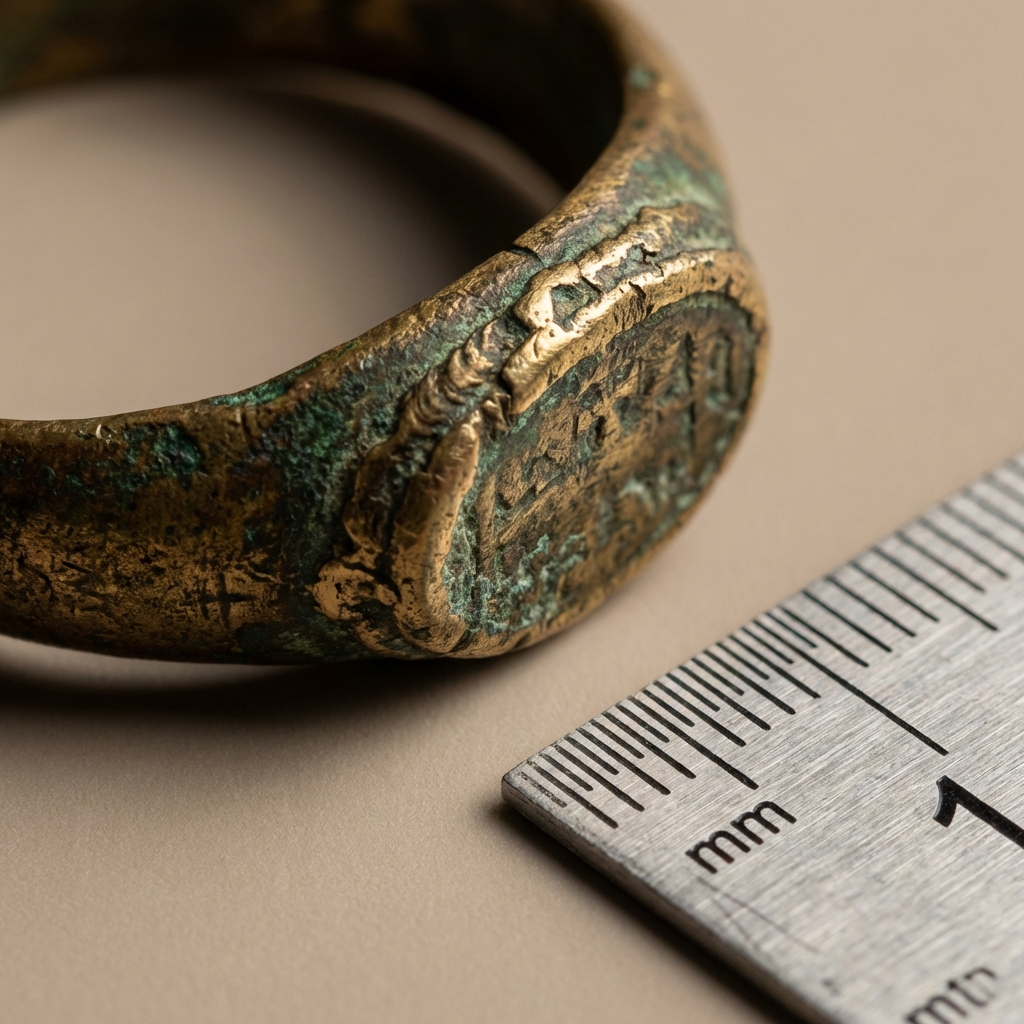
Metals tell a layered story. Higher gold fineness and careful alloying often relate to prestige pieces and controlled workshops, while gilt copper alloys were practical choices for broader use. The presence of a glass intaglio rather than a carved semi precious stone can reflect availability, cost and intended use.
Mounting methods affect durability. Intaglios set with clean bezels and well executed collets are more secure, while glued or thinly soldered mounts may require stabilization. Conservation and metallurgical observations can point to how a mount was made and whether later repairs were performed.
Material science also helps distinguish workshops. Metallographic markers, such as grain structure or trace element patterns, can indicate consistent workshop recipes or recycling practices, which specialists use to group pieces by probable origin and technique.
For buyers, the practical takeaway is to record material descriptions carefully and to treat identifications as provisional without laboratory confirmation. When a seller references a metallurgical test or a scientific essay, ask for the test details so you can interpret material claims in context.
Provenance, documentation and authenticity
Clear provenance statements, including collection history, prior ownership notes and accessible archival references, materially increase buyer confidence. International guidelines recommend transparent provenance statements as part of ethical sale practice ICOM provenance and guidelines
Byzantine jewellery can be excellent for collectors and careful wearers when a piece shows appropriate technical markers, clear condition and restoration notes, and transparent provenance; quality varies by period and workshop, so due diligence is essential.
Limits remain, especially for many private market pieces where archival records are incomplete. Scholars and market observers note that standardized publication of archaeometric datasets and clearer archival references would improve attribution and dating for items lacking accessible paperwork The techniques of Byzantine gold jewelry, Paul and Alexandra Canellopoulos Museum, Athens
As a buyer, treat provenance as a cumulative signal. Multiple consistent lines of documentation are more persuasive than a single ambiguous note, and transparent language about uncertainty is a positive sign in a listing.
Condition, conservation and what 'good' means for wearability
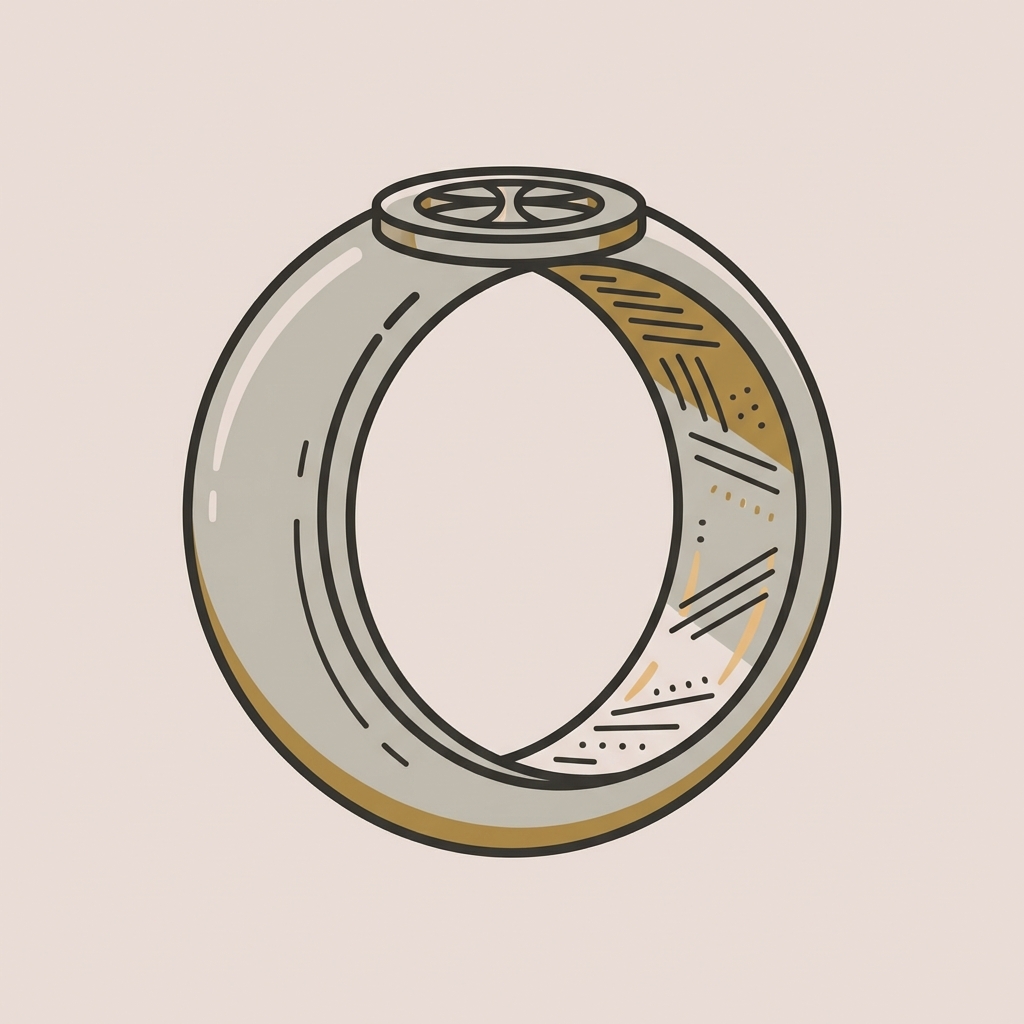
When condition notes are clear about stabilization, repairs and the extent of any restoration, buyers can better judge durability. Look for specifics such as whether solder repairs were consolidated, whether missing stones were replaced and whether any modern adhesives are present.
Wearability depends on structure. A ring that is intact at the hoop and has secure bezels can often be worn occasionally with care, but frequent wear increases risk. Conservative handling and periodic check ups with a conservator or specialist jeweler are prudent steps for anyone planning to wear an ancient piece regularly.
Basic care advice follows conservator practice: avoid harsh chemicals, remove rings before physical work, store pieces individually to avoid abrasion and consult a conservator before any cleaning or repair. Well documented restoration notes reduce uncertainty about prior interventions and expected future care needs.
A clear buying framework: decision criteria for collectors
Prioritize documentation, condition and craftsmanship in that order when assessing a listing. Clear photos and measurements, transparent provenance notes and concise restoration documentation are the immediate essentials that should guide a buying decision Publication 561 (12/2025), Determining the Value of Donated Property, Internal Revenue Service (IRS), USA

Aurora Antiqua presents curated ancient rings with condition notes, restoration descriptions and collection history where available, aiming to help buyers weigh these factors without implying absolute certainty about every attribution. Treat such curated listings as one source among others in a buyer's due diligence, including listings such as Celestia.
When to seek testing: if the piece is high value, has attributional uncertainty or will be regularly worn, consider requesting metallurgical reports, X ray imaging or a written condition report from a qualified conservator. These interventions add clarity but also cost, so reserve them for items where the expected value justifies the expense.
Balance price and personal values by asking whether the piece meets your collecting goals. If you prioritize wearable history, an intact ring with clear condition notes and moderate provenance may be preferable to a fragmentary gold example with uncertain paperwork.
Common mistakes and red flags to avoid
Over relying on aesthetic appeal is a common pitfall. A visually attractive surface can mask heavy modern restoration, composited mounts or replaced intaglios. Ask for close ups and condition histories rather than judging by a beauty impression alone ICOM provenance and guidelines
Missing documentation and vague restoration notes are another red flag. Listings that decline to state repairs or that use evasive language about condition often warrant caution. Request specific photographs and any available conservation reports.
Misreading materials or workshop attributions can also mislead buyers. If a seller identifies an alloy or workshop without supporting evidence, ask for the basis of the claim. Specialist catalogues and technical essays are proper references for attributions rather than broad marketplace assertions Protection in Life and Death: Pendant Crosses from the Cemetery of Apollo Klarios at Sagalassos, Cambridge University Press
If doubts remain, steps to follow include requesting additional photos, asking for documented provenance, seeking a short third party condition statement or deciding to pass on the purchase until clarity is achieved.
Practical examples and short case studies
Annotated listing example: imagine a gold ring with a clear bezel inscription, a measured hoop diameter and three macro photos including a raking light view. If the listing includes a conservator note about a stabilized solder repair and a short provenance trail, the combination of images and documentation supports a conditional purchase, subject to viewing detailed reports About us, International Association of Dealers in Ancient Art
Three brief scenarios:
- Well documented gold ring, clear provenance and minimal restoration. Action: consider third party testing if the price is high and verify reports.
- Visually attractive bronze ring with no documentation. Action: request condition photos and provenance and be prepared to decline absent clear history.
- Restored ring with explicit conservation notes about stabilization and replaced elements. Action: weigh the acceptability of repairs against your collecting priorities and ask for detail on materials used in restoration.
Each scenario emphasizes that documentation and condition, more than price, should guide the decision to buy or to pass.
Conclusion: is Byzantine jewellery good for you?
Short recap: whether a piece is 'good' depends on period, materials, technical execution, condition and supporting documentation. Using typologies, technical markers and provenance information together yields a balanced assessment Metropolitan Museum of Art overview
Final checklist for immediate use: request high resolution photos, clear measurements, explicit restoration notes, any available third party reports and a documented provenance trail. If these items are present and align with your collecting goals, an ancient byzantine ring can be a meaningful acquisition.
For further study, consult museum catalogues and recent archaeometric literature to deepen technical understanding and to inform future purchases Archaeometric analysis of a Middle Byzantine jewellery assemblage and related reports here.
Look for consistent patina, documented provenance, clear restoration notes and technical indicators such as granulation or solder patterns; when in doubt request third party imaging or laboratory reports.
It depends on condition and reported restorations; intact metal structure and secure mounts can allow occasional wear, but frequent use increases risk and conservator guidance is recommended.
Good listings typically include high resolution photos, measurements, condition and restoration notes, any provenance or collection history and mention of third party reports if available.
More from Aurora Antiqua
References
- Ring, Dumbarton Oaks Research Library and Collection, Trustees for Harvard University
- Gold bracelets with enamel decoration, Museum of Byzantine Culture Thessaloniki
- Earring, Victoria and Albert Museum, London
- The techniques of Byzantine gold jewelry, Paul and Alexandra Canellopoulos Museum, Athens
- Protection in Life and Death: Pendant Crosses from the Cemetery of Apollo Klarios at Sagalassos, Cambridge University Press
- Publication 561 (12/2025), Determining the Value of Donated Property, Internal Revenue Service (IRS), USA
- About us, International Association of Dealers in Ancient Art
- Gold earring, Museum of Byzantine Culture Thessaloniki
- Client Challenge, Springer
- Standards and guidelines, International Council of Museums, ICOM