


Looking for the real thing? Browse our full ring collection, each piece one of one, individually authenticated, with documented provenance. For the background, see the guide to ancient jewelry.
What owners mean by an antique knights templar ring and why it matters
An antique knights templar ring is commonly used as a general descriptive term for older rings that bear Templar or Masonic iconography, and the phrase often appears in listings and conversations to indicate probable historic association rather than a guaranteed date or provenance. The word antique here functions as an estimate of age or style, not as an absolute authentication, and owners should expect condition and documentation to vary widely.
Typical features you'll see on such rings include a signet or intaglio face with emblems, a bezel set with a gemstone or carved motif, makers marks on the hoop or shoulders, and a surface patina or wear consistent with age. These visible traits, especially an intaglio or a distinctive motif, are part of how collectors and curators describe an ancient ring for study and sale.
Provenance, in this context, means the documented chain of ownership, collection history, or verification letters that accompany an object. Clear provenance supports research and may affect options for sale or donation, while absence of documentation is a common situation that calls for careful, documented steps before commercial or export decisions are made.
This guide describes a practical workflow from identification to decision, with attention to condition notes, restoration notes and responsible next steps. Aurora Antiqua acts as a curator reference and aims to help owners understand eras and motifs, but this text does not replace formal legal advice, scientific testing, or specialist archaeological evaluation.
How to identify an antique knights templar ring: markings, symbols and quick checks
Symbols and iconography to look for, antique knights templar ring
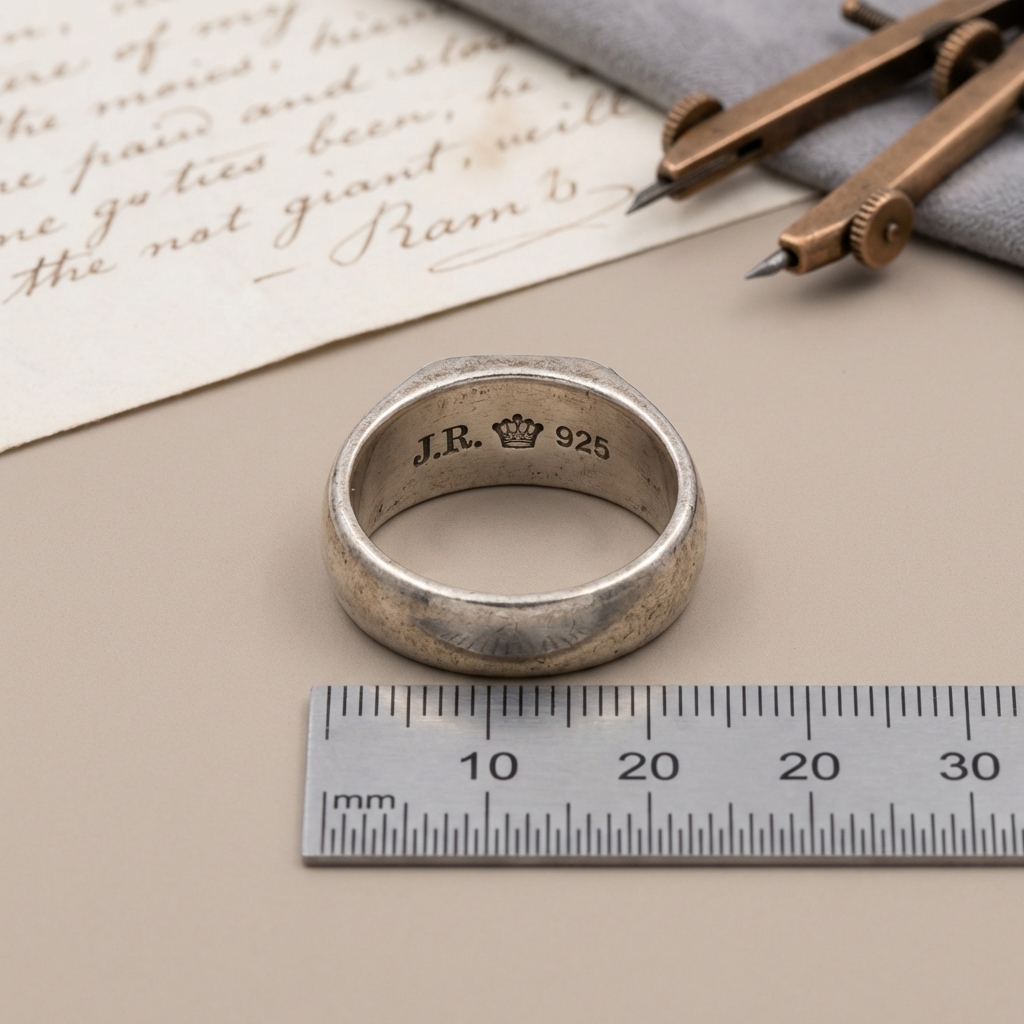
Start with a clear visual record: photograph the ring from all sides, include scale and a ruler, and make close-ups of any symbols, seals or intaglio faces. Good photos make later identification and comparison far easier, and they form the basis of condition notes and any provenance packet you prepare.
Note visible makers marks, hallmarks and any letters or numbers stamped on the inside of the hoop. These marks can often narrow a dating range or indicate silver or other tested materials, and they are the first clues specialists use when comparing a piece to documented examples in public collections.
If you need reference material for common forms and symbols, specialist museum collections and Masonic museums are among the most reliable public resources for identification of Masonic symbols and makers marks, and they can help you compare motifs and typical ring forms, for example through illustrated collection entries.
Record condition carefully: describe patina, corrosion, dents, missing bezel elements and any visible repairs in neutral terms. Use phrases such as wear consistent with age, surface loss to the intaglio, or stabilised crack to communicate what you observe without asserting causes or a precise date.
Red flags that suggest professional examination include recent clean tooling marks, inconsistent hallmarks, solder that looks modern and a lack of expected patina in protected areas. If you see these signs, pause and consider an accredited appraisal or conservator check before any cleaning or polishing.
Document first, decide later with support from @auroraantiqua
Please note your documentation checklist now, and keep all photos, measurements and any paperwork together as you move to the next step.
Provenance, legality and stolen-art checks before any sale or export
Provenance documents you may have include collection history notes, prior ownership letters, auction or dealer receipts and any verification letters, and you should assemble copies of whatever you possess before exploring sale or donation. Presenting these items as a single provenance packet is the clearest way to communicate an object's background to curators, appraisers and potential buyers.
Before offering an item for sale or planning export, consult stolen-art resources and cultural property conventions to reduce legal and ethical risk. A search of public stolen and looted art resources is a prudent step to confirm there are no reported claims on the object.
If export is a possibility, be aware of national and international cultural property rules, notably the UNESCO 1970 Convention, which affects the legal and ethical framework for archaeological and cultural objects across many jurisdictions. When provenance is incomplete, pause commercial plans and seek local or specialist advice to clarify risks.

Getting a professional appraisal: choosing an accredited valuer and what to expect
The recommended first paid step for market-facing decisions is a professional appraisal performed by an accredited valuer, such as an ASA or ISA credentialled appraiser, because accredited valuers follow recognised industry standards and provide documented valuation outputs you can use for insurance or sale planning. Consider asking for credentials and a short description of the appraiser's experience with historic metal jewellery before you engage.
Typical appraisal outputs include a written condition report, a valuation range, supporting photographs and notes that describe any visible restoration or repairs. Appraisals usually state limits, for example that firm dating without scientific testing may not be possible, and a professional appraisal will make those limits explicit in its documentation.
Costs vary by appraiser and region, so ask for an estimate of fees, turnaround time and what is included. Prepare a list of questions for the valuer, such as which comparables they will use, whether they recommend further testing, and how they document condition notes and restoration history.
Appraisal outcomes influence feasible sale routes and insurance. A written appraisal helps you present the ring more clearly to auction houses, specialist dealers or online marketplaces, and it provides a transparent basis for later negotiations or curator consultations.
Conservation and restoration: do no harm and document changes
The guiding principle for historic metal jewellery is minimal, reversible treatment. Avoid aggressive polishing or irreversible repairs that can remove patina, obscure maker marks or reduce the object's research value. Conservative stabilisation is often preferable to full restoration when historical interest is a priority.
Keep detailed restoration notes and before and after photographs for any treatment. Documentation of conservation work maintains research value and helps potential future buyers or curators understand what was altered and why.
When in doubt, consult national conservation institute guidance and prefer conservator recommendations over ad hoc workshop repairs. Professional conservators can advise on safe cleaning, soldering options and stabilisation techniques that preserve structure while minimising intervention.
A short conservation checklist to guide minimal, reversible treatment decisions
Keep records for provenance
Documented, conservative stabilisation can make a piece more sale ready while preserving its research worth. Note that careful, reversible treatment is aimed at preserving evidence rather than creating a like new appearance, and your conservator should record every step in restoration notes.
Deciding what to do: keep, sell, donate or entrust to a specialist
Start by asking straightforward questions about the object: do you have reliable provenance, is the ring personally significant, is export or sale planned, and how comfortable are you with seeking an accredited appraisal and conservation? These questions guide practical next steps and help align emotional, ethical and market choices.
Document and photograph the piece, compare symbols with museum references, perform provenance and stolen-art checks, obtain an accredited appraisal, consult a conservator for minimal treatment, then decide whether to keep, sell or donate.
If the object has strong community, historical or research significance and the paperwork supports it, donation to a museum or lodge archive is often appropriate, but this requires curator consultation and clear provenance documentation. Donation can be a responsible choice when the primary goal is preservation and public access.
Keeping the piece as a wearable ancient ring is also a valid option for owners who value wearable history. If you retain the ring, consult a conservator for storage and handling advice and keep condition notes, photographs and any restoration history with the object.
Sale routes explained: auction houses, specialist dealers, marketplaces and private sale
There are several market routes to consider. Auction houses, specialist dealers and verified online marketplaces all serve collectors, but they differ in visibility, fees and documentation expectations. The right route depends on your documentation, condition and how much time you want to spend reaching buyers.
Auction and specialist-dealer sales typically require clearer provenance and can provide higher visibility for well-documented pieces, while online marketplaces and private sale may be suitable for less documented or smaller items, acknowledging different buyer expectations and price ranges.
Prepare an item for sale by assembling quality photos, condition notes, provenance documentation and clear disclosure of any restoration. Buyers and intermediaries expect transparent information about condition, any conservation performed and the extent of provenance you can provide.
Set realistic expectations about fees and timelines. Auction houses and dealers often charge commissions or entry fees, and online marketplaces may require seller verification. Your appraisal will help you decide which route aligns with your documentation and market goals.
Donating to museums or lodge archives: steps and expectations
Approach a curator with a provenance and condition packet that includes detailed photos, copies of paperwork, condition notes and any restoration notes. Clear, well-organised documentation makes it easier for curators to assess whether an institution can accept the piece.
Many institutions require clear provenance before accepting donations, and acceptance is always a curator decision. If a major museum cannot accept the object, lodge archives, specialist collections or long term loans are realistic alternatives that keep the item within relevant communities.
If you plan to propose a donation, ask curators about their intake process, whether they need accession paperwork and whether they prefer original documents or certified copies. Preparing in advance streamlines the curator consultation and helps set expectations for possible accession or loan terms.
Common mistakes owners make and how to avoid them
Avoid irreversible restoration such as aggressive polishing that removes patina or obscure maker marks, because such treatments can reduce research value and make later authentication harder. Conservative, documented work is the safer route for historic metal jewellery.
Do not attempt to sell without provenance checks, and do not ignore stolen-art databases. Failing to check can create legal and ethical risks and may complicate later sale or donation options.
Avoid overvaluing anecdotal provenance. Oral histories and family stories are valuable but often require corroboration. Use documented provenance and an accredited appraisal to support market or museum conversations.
A practical 6-step workflow for an owner of an antique knights templar ring
Step 1, Document and photograph: take scale photographs of all sides, record measurements, and assemble any paperwork into a single provenance packet. Retain copies and note where originals are stored.
Step 2, Identification and museum references: compare symbols, makers marks and forms with specialist collections and Masonic museum resources to form an initial identification hypothesis, and note where you consulted for future reference. For public reference material, specialist collections often provide illustrated entries that are useful starting points.
Step 3, Provenance and legal checks: search stolen-art resources and consult relevant cultural property rules before export or sale. If you encounter gaps in documentation, seek professional advice rather than proceeding to market plans.
Step 4, Appraisal: engage an accredited valuer to obtain a condition report and valuation range. Use their documentation for insurance, sale preparation or curator discussions and keep all appraisal reports with your provenance packet.
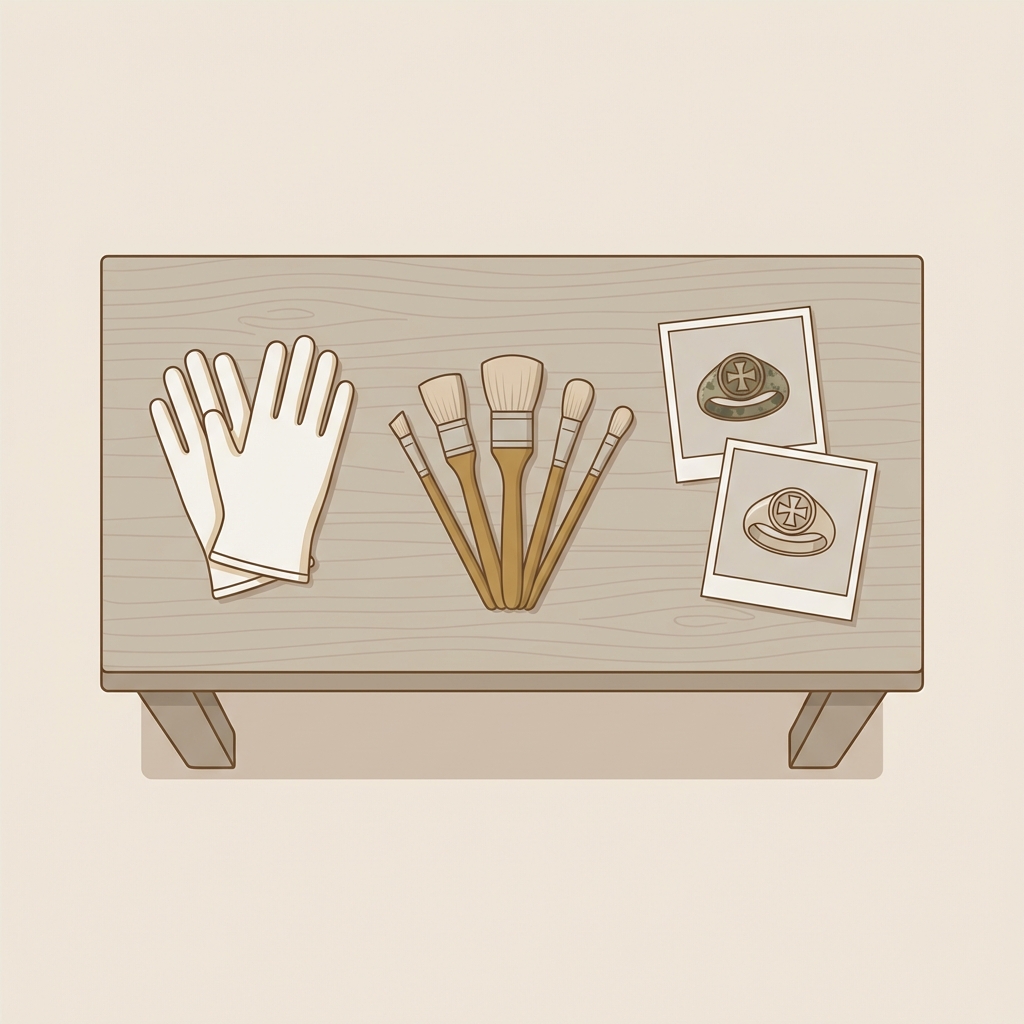
Step 5, Conservation and restoration plan: consult a conservator to agree a minimal, reversible treatment plan and record restoration notes with before and after photographs. Conservative stabilisation often improves handling safety without erasing research evidence.
Step 6, Choose sale, donation or retain: weigh personal significance, documentation, legal constraints and market readiness. Keep records of each step, and when in doubt seek curator, legal or appraiser help. Aurora Antiqua can be a curator reference for context and documentation best practices as you proceed.
Start by photographing symbols and any makers marks, compare them with specialist Masonic museum collections, and seek an accredited appraisal or curator opinion for a reasoned identification.
Yes, a search of public stolen-art resources and consideration of relevant cultural property rules is a recommended due diligence step before sale or export.
Aggressive cleaning can remove patina and maker marks, reducing research value; follow minimal, reversible conservation and document any treatment first.
More from Aurora Antiqua
References
- Stolen Works of Art Database, INTERPOL
- Object ID, International Council of Museums
- Publication 561 (12/2025), Determining the Value of Donated Property, Internal Revenue Service (IRS), USA
- Exporting or importing objects of cultural interest, GOV.UK, Department for Culture, Media and Sport
- Code of Conduct, Antiquities Dealers' Association (ADA), UK
- Auction Terminology, Christie's
- Archaeological materials, Icon, The Institute of Conservation (UK)
- ICOM-CC, International Council of Museums, Committee for Conservation
- J. Paul Getty Museum Collection Policy, Board of Trustees
- Ring, Victoria and Albert Museum