


Looking for the real thing? Browse our full ring collection, each piece one of one, individually authenticated, with documented provenance. For the background, see the guide to ancient jewelry.
What are ancient masonic rings and why collectors care
Definition and common forms of ancient masonic rings
Ancient masonic rings are wearable antiquities that carry Masonic symbols or were used in lodge contexts, typically appearing as signet or seal rings, intaglio mounts, or gemstone bezels set into a hoop. Collectors often look for structural features such as an intaglio carving, a raised bezel, or period patina that indicate age and use, and the physical form helps set expectations about how the piece was made and used.
Old Freemason rings can have monetary value, but that value depends on verifiable factors such as precious metal and gemstone content, clear hallmarks or maker marks, plausible dating, condition and documented provenance. In many cases, a professional appraisal and up to date comparables are necessary to determine a realistic price.
Interest in these rings is often historical and documentary as much as aesthetic, with many buyers prioritising provenance, iconography and condition notes when deciding on a purchase. The Museum of Freemasonry describes common forms and the range of regalia and jewellery that appear in institutional collections, which collectors consult to understand typologies.
Typical materials include gold, silver and base alloys, and gemstones such as carnelian or agate where intaglios have been set. The material and period can strongly influence collector attention, since metals and gem content often determine both display suitability and market interest.

Among measurable drivers of monetary value, precious metal content and genuine gemstones remain primary, with gold and silver bases or identifiable gem intaglios often attracting higher realised prices in specialist sales. This pattern is reflected in recent valuation guidance from auction specialists and market reports.
Hallmarks, maker marks and documentation
Clear hallmarks, maker marks and provenance documentation reliably increase buyer confidence and typically lead to higher realised prices, because they reduce uncertainty about date and origin; dealers and institutional catalogues advise using marks as a central part of any valuation process.
Dating and iconography are important but contextual. A Masonic emblem or lodge device can increase historical interest, yet symbolism alone will rarely raise price substantially unless supported by material evidence, a plausible date or a traceable provenance.
Condition and restoration
Condition matters for both historical integrity and market perception. Structural issues, unstable soldering, or heavy, undocumented cleaning can reduce appeal, while transparent restoration notes that record stabilisation or conservation treatments help buyers assess tradeoffs.
When researching a ring, consult auction and market reports to see how similar condition states have been priced, but remember that comparables vary widely by period, maker and region and should be taken as indicative, not definitive.
Begin with a close inspection under magnification. Look for hallmarks on the inner hoop or maker marks on the shoulders, and note any assay marks or visible gem settings. If metal content is unclear, an assay or lab test can confirm precious-metal fineness before valuation or sale.

Evaluate the intaglio style, motifs and engraving technique to form a plausible date range, and compare the iconography with documented lodge symbols to judge how closely the piece fits established typologies. Specialist articles on Freemasonry and collecting outline how symbolism maps to collector interest but urge caution about relying on motif alone for dating.
Use a condition checklist to record hoop integrity, bezel attachment, surface patina, and any visible repairs. Note exactly what cleaning, stabilisation or re-setting was done and who performed it, since clear restoration notes materially affect buyer confidence.
When conservators are involved, ask for a brief report describing materials and methods used during intervention so future owners and insurers understand what changed and what was preserved.
Track hallmarks and auction comparables for a ring
Use as a running log when researching comparables
Gather recent auction records and specialist dealer catalogues to build comparables, recording lot numbers, sale dates and realised prices; for example, individual lot pages on Invaluable illustrate how sale records are presented.
If comparables are scarce or inconsistent, escalate to a professional appraisal with access to laboratory testing and archives, so that dating, metal analysis and provenance checks can be completed.
How condition and restoration affect value and display
Common conservation interventions
Common interventions include stabilisation of solder joints, consolidation of fragile bezels, careful surface cleaning and, occasionally, conservative re-setting of loose stones. Each intervention should be recorded precisely so buyers can assess how the piece was altered from its found state.
What restoration notes should include
Good restoration notes state what was done, what was left untouched and who carried out the work. A concise note improves transparency and can prevent misunderstandings during sale or insurance, because a documented conservation history reduces uncertainty about treatment approaches.
Over-cleaning or aggressive polishing are often viewed negatively because they remove original surface evidence and patina, which many collectors consider part of the ring's historical character.
How buyers interpret repairs and stabilisation
Buyers frequently accept stabilisation that preserves structure if it is documented, but undisclosed heavy repairs or modern replacements can materially change market perception and often lower realised prices compared with a well documented original.
When preparing a sale, include condition photographs that show repair areas alongside a restoration note to give prospective buyers a clear basis for bidding or offers.
Provenance, symbolism and when Masonic connection matters
Types of provenance records and how to read them
Provenance ranges from a simple collection history note to detailed verification letters and prior auction catalog entries. Documentation that links an object to a consistent chain of ownership increases buyer confidence, particularly when supported by institutional references or prior catalogue entries.
Masonic connections matter more when they are supported by lodge records or a documented chain of custody rather than inferred solely from iconography; scholarly and dealer guidance emphasise using documentary evidence to support historical claims.

When iconography adds market interest
Specific Masonic symbolism or lodge provenance can increase interest among specialist collectors, but without supporting material such as hallmarks or documented provenance it usually does not by itself guarantee a higher price. Scholarly pieces on material culture also underline the importance of documented context when interpreting symbolic significance.
For sellers, presenting any provenance, collection history or verification letters alongside clear condition and restoration notes helps potential buyers weigh the significance of iconography with confidence.
Provenance gaps raise legal and ethical questions, including export controls and institutional claims, and sellers should check relevant national regulations and, where appropriate, consult specialists to confirm that transacting the object is lawful and ethical.
When in doubt, a professional appraisal or provenance review can identify potential restrictions before a sale is attempted.
Where to find comparables and recent sale evidence
Using auction reports and market reports
Specialist auction reports and market summaries are the best starting point for price discovery because they record recent realisations and trends; consult published guide documents and sale reports (for example, see Bonhams' auction results) to build a baseline range for comparable pieces.
Market reports are useful but must be cross-checked against actual lot records and photographic evidence, since variables such as condition and regional demand can make headline prices misleading.
Dealer catalogues and archived listings often contain provenance details and condition notes that help interpret auction results, and they can be especially helpful for rarer motifs or regional types that do not appear frequently in large-sale databases.
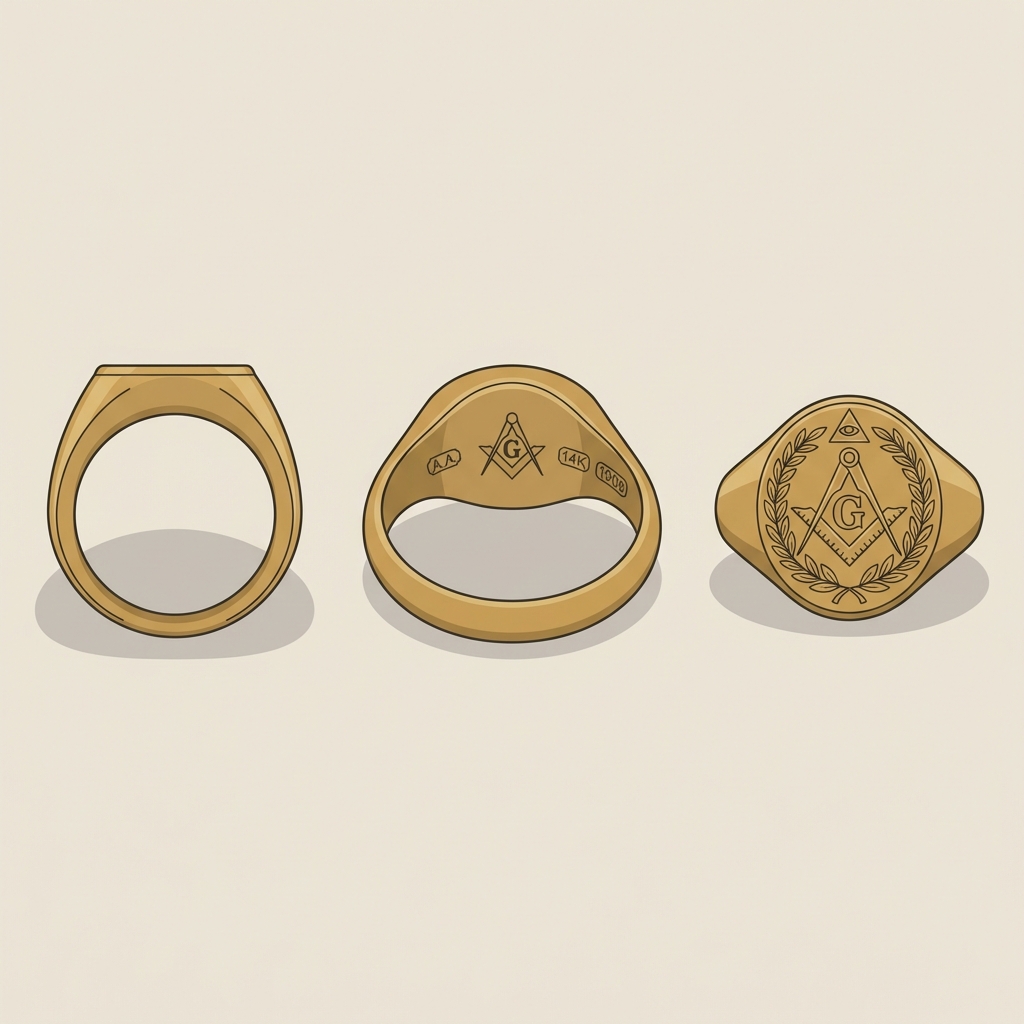
Keep a running file of comparables that records source, lot reference and condition differential so you can adjust expected ranges when presenting a piece for sale. You can also consult the ancient Roman rings collection for similar examples.
Comparables must be treated as indicative because results vary by period, maker and geographic market; a serious appraisal will note the region of sale and adjust expectations accordingly.
When preparing a consignment, present multiple comparables from similar regions and periods to support any suggested estimate and explain the basis for chosen comparables to potential consignees or buyers.
Selling, legal checks and getting a professional appraisal
When to seek a conservator or auction-house specialist
If the ring has unclear metal content, significant restoration, or a complex provenance, a conservator or an auction-house specialist with access to laboratory testing is recommended to provide an accurate appraisal for insurance or consignment purposes. Industry coverage such as National Jeweler's market summaries can provide additional context.
Prepare documentation before contacting a specialist: photographs, any existing provenance notes, and a clear description of condition and past repairs will speed assessment and improve the quality of advice you receive. See our rings collection for examples.
Curator notes and behind the scenes on @auroraantiqua
Check Aurora Antiqua condition notes or request brief curation guidance if you need help documenting provenance and restoration in preparation for sale.
Preparing documentation and condition reports for sale
Create a concise packet that includes high quality images, condition notes, any provenance documents and a short narrative that explains the basis for dating and attribution. Transparency helps bidders and dealers make informed decisions.
Decide whether to offer conservative restoration statements that explain what was preserved and what was altered, and include contact details for the conservator where possible to increase buyer confidence.
Checking legal restraints and export considerations
Run basic legal checks on provenance gaps and potential export controls early in the sale process, because resolving such matters after a sale can be costly and complex. Specialist advice can identify national or institutional restrictions that affect saleability.
When in doubt about export or ownership claims, seek legal or specialist assistance before consigning the piece to avoid complications that could derail a sale.
One common error is to assume that Masonic imagery alone proves lodge provenance; symbolism needs documentary support such as collection history or lodge records to materially affect price expectations.
Buyers often overlook hallmarks or misinterpret maker marks. Proper reading or assay testing is essential because marks can materially change an attribution or date range and therefore affect value.
Undisclosed restoration or aggressive cleaning often reduces buyer confidence. Always document repairs and stabilisation so buyers can properly assess condition and pricing.
Practical tips to reduce risk when buying online include requesting close detail photographs, asking for condition and restoration notes, and comparing any claimed provenance with library or archive records when available. See our questions and answers hub for more guidance.
Case scenarios and a quick decision guide
Three short buyer or seller scenarios
Scenario one, strong metal content with hallmarks: a silver or gold ring with clear hallmarks and a short collection history typically attracts clearer comparables and a more predictable sale route.
Scenario two, good symbolism but weak provenance: a well carved intaglio with Masonic iconography but no supporting documentation may interest collectors but often requires provenance research or conservative estimates.
Scenario three, heavy restoration with uncertain dating: extensive undocumented repairs should prompt a conservator appraisal and careful disclosure, because restoration can change how comparables are adjusted.
Quick checklist: check hallmarks, photograph condition and suspected repairs, gather any provenance, search comparables in market reports, and seek a professional appraisal if metal assay or provenance checks are needed.
When in doubt about legal or export issues, stop and consult a specialist before transacting.
Metal and genuine gemstone content are major factors in monetary value; gold and silver bases or identifiable gem intaglios typically attract higher interest, though documentation and condition also matter.
No, symbolism increases interest among specialist collectors but usually needs supporting provenance or hallmarks to materially affect realised prices.
Seek a professional appraisal when metal content, dating or provenance is unclear, or before consigning a ring for auction or insurance to ensure accurate estimates.
More from Aurora Antiqua
References
- https://www.assayofficelondon.co.uk/hallmarking/what-is-a-hallmark#convention, Goldsmiths' Company Assay Office
- Hallmarking, The Goldsmiths' Company, London
- Hallmarking Guidance Notes: practical guidance in relation to the Hallmarking Act 1973, the UK Assay Offices
- Publication 561 (12/2025), Determining the Value of Donated Property, Internal Revenue Service (IRS), USA
- Auction Terminology, Christie's
- Protecting silver cultural heritage objects with atomic layer deposited, Heritage Science (Springer Nature)
- E.C.C.O. Professional Guidelines (II): Code of Ethics, European Confederation of Conservator-Restorers'
- Exporting or importing objects of cultural interest, GOV.UK, Department for Culture, Media and Sport
- Research report: export licensing and provenance, GOV.UK, Department for Culture, Media and Sport (DCMS)