


Looking for the real thing? Browse our full ring collection, each piece one of one, individually authenticated, with documented provenance. For the background, see the guide to ancient jewelry.
What is an antique persian ring and why it matters
An antique persian ring is an ancient ring that can reasonably be attributed to Persian cultural, geographic, or workshop traditions and dated as an estimate to a historical period depending on style, manufacture, and any supporting documentation. In many cases dating is presented as a range or as an attribution to a period or workshop rather than a precise year, because stylistic and technical indicators are interpreted alongside contextual evidence.
Typical Persian rings encountered by collectors often combine carved intaglios or cabochons in materials such as carnelian, agate, or other semiprecious stones set in silver or base metals, with motifs that include calligraphic panels, iconography, and geometric patterns; these materials and motifs feed directly into desirability and market perception for a given piece. Practical features to look for include the bezel form, the hoop thickness, signs of wear consistent with age, and any remaining patina on metal surfaces.
Because antiquities can cross borders and ownership claims, the legal and ethical context for transferring an antique persian ring matters for market acceptability and for buyers who want a defensible acquisition path; international guidance on illicit trafficking and museum ethics provides the backdrop that many dealers and institutions use to assess whether an object can be lawfully offered or exported. For a concise statement on international concern about illicit movement of cultural property see UNESCO on illicit trafficking UNESCO on illicit trafficking.
Quick comparison checklist to assess key features of an ancient ring
Use with high resolution images and documented records
For nonexperts, a simple working glossary helps: intaglio means a carved image cut into a stone; patina refers to surface changes on metal associated with age; provenance is the chain of ownership or documentation that ties an object to collections or historical records. These short definitions make it easier to read condition notes and provenance statements in listings and reports.
How experts determine the value of an antique persian ring: a practical framework
Professional valuers and dealers generally use four pillars of determination: provenance and documentation, materials and technical identification, condition and recorded restoration, and market comparables. Among these, provenance and documentation are often the primary determinants for whether a piece can be lawfully offered and how it will perform at sale, because clear ownership history and export records materially affect market acceptability and legal transferability; see guidance on provenance and ethics for cultural property ICOM code of ethics.
To make this concrete, a stepwise framework can help. Step 1: Gather documentation and photographs. Step 2: Record materials, measurements and condition notes. Step 3: Seek technical screening such as non-destructive metal identification where available. Step 4: Compare the object with specialist comparables and museum parallels rather than relying solely on broad market listings. Each step narrows uncertainty and supports a defensible view on value.
A professional appraisal report for a jewelry or antiquities item should be a written document that includes clear condition notes, the basis of valuation, and a methodological disclosure that explains how the valuer reached their opinion; these are standard expectations from appraisal bodies and help buyers and sellers understand limitations and scope. For recommended report contents and professional standards see ASA guidance for jewelry appraisal Publication 561 (12/2025), Determining the Value of Donated Property, Internal Revenue Service (IRS), USA.
When valuing Persian rings specifically, specialists in Near Eastern antiquities are often needed because recent public comparables for these objects are limited on open databases, so museum parallels, exhibition records and bespoke technical reports frequently form the best comparables. Specialist input helps interpret iconography, workshop traits and regional metalwork traditions, which can be crucial when public sale records are sparse.
Key documents and non destructive tests to request
Useful provenance documents include collection history notes, prior ownership records, any available export or import documentation, and verification letters or invoices from prior dealers or institutions. These items establish a paper trail that materially affects an object's marketability and legal status. When assessing documents, check dates, named collections, and whether paperwork references export permits or known exhibitions.
Non-destructive technical analyses such as portable X-ray fluorescence, often called pXRF, are commonly used to identify metal composition and to flag modern interventions, and they can be a valuable part of the evidence package when interpreted alongside other data. pXRF results are supportive for metal identification but they do not, by themselves, establish provenance or the date of manufacture; see a review of pXRF applications and limits in authentication contexts Journal of Archaeological Science Reports review of pXRF, further discussion is available in a non-invasive XRF review Non-invasive XRF analysis review, and practical guidance on portable XRF applications can be found at an instrumentation overview Portable XRF technology overview.
When reading a technical report, look for a clear statement of methods, the instruments used, sample locations and any limitations the analyst notes. Red flags include missing sampling locations, inconclusive language without contextual explanation, or a report that claims dating or provenance based only on a single non-destructive test; such claims usually require supporting contextual documentation to be reliable.


A curated listing that aims to be transparent typically pairs a condition summary with provenance notes and, when available, a short technical summary of any tests performed. Descriptions that include clear dimensions, high-resolution imagery of the intaglio and the ring hoop, and a short restoration note that explains what was stabilized or repaired help prospective buyers make informed judgments.
Condition, restoration and how they affect value
Condition notes should clearly describe patina, structural integrity and any recorded repairs; collectors tend to prefer conservative restoration that preserves authentic surface character because excessive intervention can obscure original features and reduce perceived authenticity. When a report or listing states that stabilization was performed, it should explain what was done and why, rather than using vague phrasing.
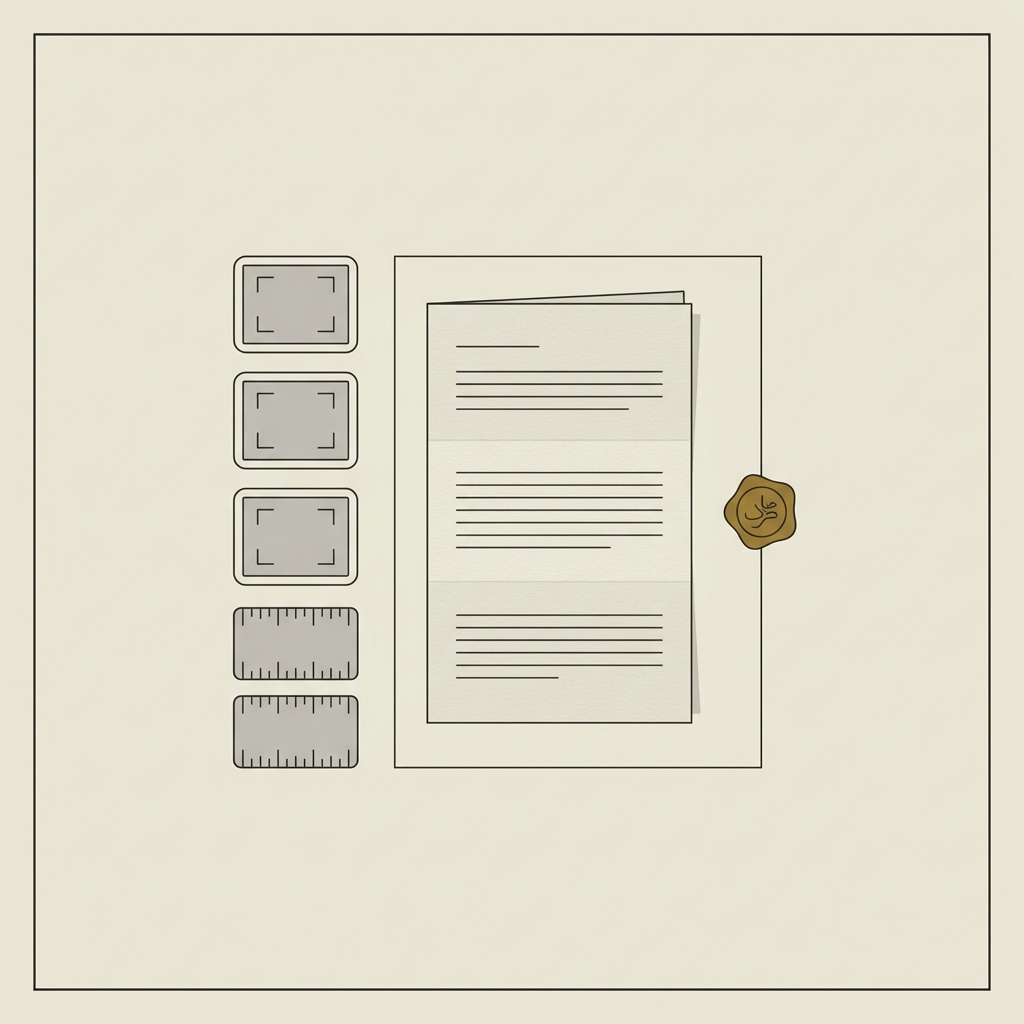
Common condition indicators to look for include even, age-consistent patina on metal, wear on high points of intaglios or settings, hairline cracks in stones that may be old, and solder points that are consistent with period repairs or with later restoration. These observations help assess whether observed changes are original, early repairs, or recent interventions.
Restoration approaches vary, but conservative techniques that prioritize preserving patina and avoid invasive reworking are often viewed more favourably by collectors prioritizing authenticity. Appraisal reports and sales catalogues will typically flag restoration in condition notes and may include comparative images that show the piece before and after stabilization if available.
Market channels, legal checks and realistic sale expectations
Persian rings may be offered through several channels: specialist dealers and vetted online marketplaces for well documented items, and auctions for higher-value, well-documented pieces where consignors accept the associated fees and terms. Each channel carries different costs, timelines and expectations around documentation and legal checks.
International guidance on illicit trafficking and museum ethics frames how responsible sellers and buyers should approach export and ownership questions, and sellers that follow these frameworks typically present export or provenance documentation to reduce risk for purchasers; this international backdrop is reflected in commonly used ethical guidelines UNESCO on illicit trafficking.
Well-documented pieces generally achieve stronger sale results because buyers and institutions are willing to bid more confidently when provenance and technical evidence reduce legal and attributional uncertainty; art market reporting through recent years indicates continued demand for documented antiquities in specialist segments. For broader market context on demand for documented antiquities see the industry overview in The Art Market 2024 The Art Market 2024 report.
See sourcing and provenance details on @auroraantiqua
If you are preparing to buy or sell, gather provenance notes, clear photos, and condition records, and consult a specialist before committing to a sale or purchase.
Seller expectations should be calibrated to the documentation available: items without clear provenance or with ambiguous export history may be difficult to place through mainstream channels, and private sale or specialist-consignment routes often require more time and expert vetting to reach a responsible outcome.
Typical valuation pitfalls and how to avoid them
A common pitfall is overreliance on a single non-destructive test or taking a single laboratory result as proof of date or provenance; non-destructive tests like pXRF provide valuable technical data but cannot on their own establish an object's historical ownership or workshop attribution. Use technical tests as part of a broader evidence package that includes provenance and connoisseurship assessments to reduce risk Testing and Retesting Alexander the Great, J. Paul Getty Museum and Getty Conservation Institute, Los Angeles.
Another frequent mistake is overlooking export or ownership documentation; selling or buying without checking jurisdictional rules can create legal complications and reduce marketability. If documentation is missing or ambiguous, escalate the inquiry to specialists and request any available verification letters or collection history notes before proceeding.
It is also risky to conflate restoration with authenticity. In some cases invasive modern repairs can be mistaken for original work, and without clear restoration notes a buyer may overvalue a piece. Always ask for explicit restoration notes in listings or reports and, if possible, comparative imagery that shows repairs.
Practical checklist: what to request and what to record when buying or selling
Buyer and seller checklist, short and copyable: 1) High-resolution images from multiple angles. 2) Clear measurements and weight. 3) Condition notes that mention patina and any repairs. 4) Provenance records and export/import documentation if available. 5) Any technical reports such as pXRF or conservation summaries. 6) A written appraisal for market or insurance purposes when value is significant.
They can be, but value depends on provenance, materials, condition and specialist comparables rather than any single rule.
How to store and present documentation: keep digital copies in a secure cloud folder with filenames that include the object name and date, and include a short index file that lists documents and what they show; provide potential buyers or valuers with a single packet containing images, provenance notes and any technical summaries to streamline assessment.
When to commission a formal appraisal or a technical report: if a piece may be at higher market value, if export or legal questions exist, or if comparables are unavailable in public databases, commission a written appraisal that follows professional standards and include a technical report that documents methods and limitations. Professional appraisal reports provide condition notes, basis of valuation and methodological disclosure expected by institutions and insurers.
Conclusion: are antique persian rings worth anything and next steps
In short, an antique persian ring can be worth something to the right collector, but market value depends on a combination of provenance, documented materials, condition, and specialist comparables rather than any single rule. Clear documentation and technical summaries increase the likelihood of a responsible sale and help buyers make informed choices; for guidance on how to present documentation see common educational guides on buying antiquities How to buy and value antiquities guide.
Practical next steps include compiling photographs and condition notes, requesting provenance records and any technical screening available, and consulting a specialist appraiser where comparables are limited. Aurora Antiqua positions itself as a curator that provides condition notes and documentation summaries to help collectors understand a piece's context, but responsible acquisition depends on the evidence presented for each object.
The most important documents are clear provenance records, prior ownership notes, export or import paperwork if available, and any verification letters or conservation summaries; these items help establish legal transferability and market acceptability.
No, pXRF can identify metal composition and flag modern interventions but cannot by itself prove the age or provenance of an object; its results should be interpreted alongside provenance and specialist assessment.
Commission a written appraisal when the piece may have significant market value, when comparables are lacking, or when you need a documented value for insurance or sale; ensure the report includes condition notes and methodological disclosure.
More from Aurora Antiqua
References
- Publication 561 (12/2025), Determining the Value of Donated Property, Internal Revenue Service (IRS), USA
- Auction Terminology, Christie's
- The Past Polluted: A Pigovian Approach to the Black Market in Antiquities, International Journal of Cultural
- Antiquity market trends in Cycladic figurines, 2000 to 2019, International Journal of Cultural Property
- Portable XRF for paintings and metals authentication, npj Heritage Science (Springer Nature), DOI
- Testing and Retesting Alexander the Great, J. Paul Getty Museum and Getty Conservation Institute, Los Angeles
- Research report: export licensing and provenance, GOV.UK, Department for Culture, Media and Sport (DCMS)
- Exporting or importing objects of cultural interest, GOV.UK, Department for Culture, Media and Sport
- Fighting the illicit trafficking of cultural property, UNESCO
- Code of Ethics, International Council of Museums, ICOM