


Looking for the real thing? Browse authenticated ancient artifacts, each piece one of one, individually authenticated, with documented provenance. For the background, see the guide to ancient jewelry.
What are ancient egyptian rings? Definition and historical context
An ancient egyptian ring refers to a finger ring or small seal recorded in archaeological finds and museum collections, typically made from durable metals and sometimes bearing carved intaglios or inlays that served as personal seals or amulets. Museums and catalogues record these items as wearable antiquities that often combined identity and protective functions, so collectors should treat them as objects with archaeological and cultural context rather than as modern costume jewelry The British Museum gallery on Egypt and Sudan.
Similar ring types appear in material from the Old Kingdom through the Late Period, with continuity in basic forms but variation in bezel shape, iconography and mounting techniques over time. Curators use those patterns when situating a ring within a broad chronological framework, while noting that precise dating usually depends on find context or comparison with securely provenanced examples The Metropolitan Museum of Art collection overview.
See provenance and restorations on @auroraantiqua
This article offers practical documentation tips and visual checks to help you read listings and photographs calmly and confidently, and to know when to ask for specialist input.
For the purpose of this guide the scope is finger rings and small seal rings as they appear in museum catalogues and published collections; replicas and modern reproductions are not covered here except as examples of what to avoid when assessing condition and provenance. Expect discussion of materials, bezel types, motifs and conservation clues rather than sales rhetoric.
In many cases an ancient ring served more than one role, functioning as a seal for private or administrative use while also carrying amuletic imagery meant to protect the wearer or assert identity.
At a glance: common materials and stones used in ancient egyptian rings
Across major museum collections, the primary metals recorded for Egyptian rings are gold, silver and copper-alloys, each presenting different preservation patterns and visual cues relevant to collectors The Metropolitan Museum of Art collection overview.

Inlaid materials and intaglios commonly include carnelian, agate, faience and glass, with carnelian especially frequent in seal stones because its hardness and polish take engraving well. These materials affect how a piece ages: gold tends to retain fine detail, copper-alloy shows burial corrosion, and faience or glass inlays can suffer surface weathering or small losses The British Museum gallery on Egypt and Sudan.
From a collector perspective the material matters for more than appearance: it influences expected corrosion patterns, the kinds of micro-marks conservators look for, and which conservation treatments are appropriate. When a listing names materials, treat those descriptions as guides to what to inspect in photos and condition notes.
Ring types and bezel forms: what shapes to expect
The main recorded ring categories include plain hoops, signet or bezel rings with intaglios or engraved motifs, and small inlaid rings sometimes set with faience or glass. Museums use these categories when cataloguing rings and to compare typologies across periods The British Museum gallery on Egypt and Sudan.
Bezel shape and mounting technique are commonly used as typological clues; for example a low rectangular bezel with an engraved scarab may be catalogued differently from a high domed bezel with an inlaid plaque. Those distinctions can suggest a chronological range, but need comparison with securely dated parallels for accuracy.
Combine material identification, bezel and iconographic typology, microscopic tool-mark examination, and documented provenance or conservation reports to form a reasoned attribution.
Plain hoops range from simple hammered bands to slightly flattened examples with modest shoulders; these are often functional rings with little or no intaglio and can be hard to date on style alone without find context or catalogue comparisons.
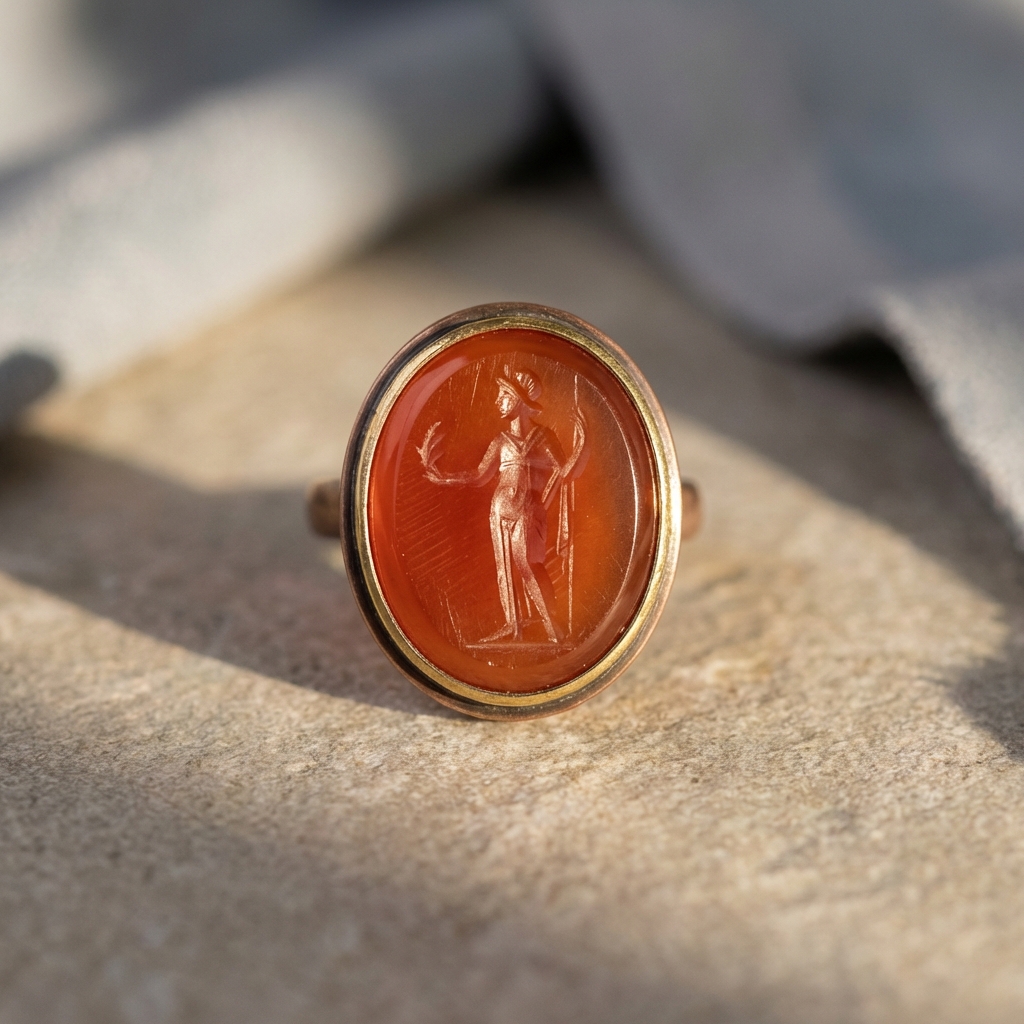
Signet and bezel rings are the most useful visually because the bezel subject provides iconographic clues. Inlay rings using faience or glass show a different technical approach and can indicate workshop practices or regional preferences within the long span of Egyptian history.
Iconography and motifs: scarabs, gods, solar and protective symbols
Iconography on Egyptian bezels frequently includes scarabs, solar symbols, deity attributes and short hieroglyphic names or protective formulae, all of which often point to amuletic or identity roles for the ring in life and burial contexts Journal of Egyptian Archaeology article on rings and small personal seals.

Scarabs are a particularly common motif and often appear as carved intaglios or low-relief plaques; the image could be purely decorative, a personal emblem, or an amulet invoking rebirth and protection. Solar disks and deity attributes similarly express protective or devotional meaning, and short hieroglyphic names or formulae can function as ownership marks or brief invocations.
While iconography is a powerful clue for function and, sometimes, dating, it is most reliable when combined with bezel form, material and find context; curators caution against using a single motif as the sole basis for a chronological attribution.
How ancient egyptian rings were made and how they age
Conservation studies document a set of common techniques used in Egyptian rings: lost-wax casting for bezels, hammering and forming for hoops, hand engraving and intaglio cutting of stones, and inlaying of faience or glass. These methods leave characteristic tool and manufacturing marks that conservators use when assessing age and technique Getty Conservation Institute guidance on jewelry conservation. Conservation and technological studies
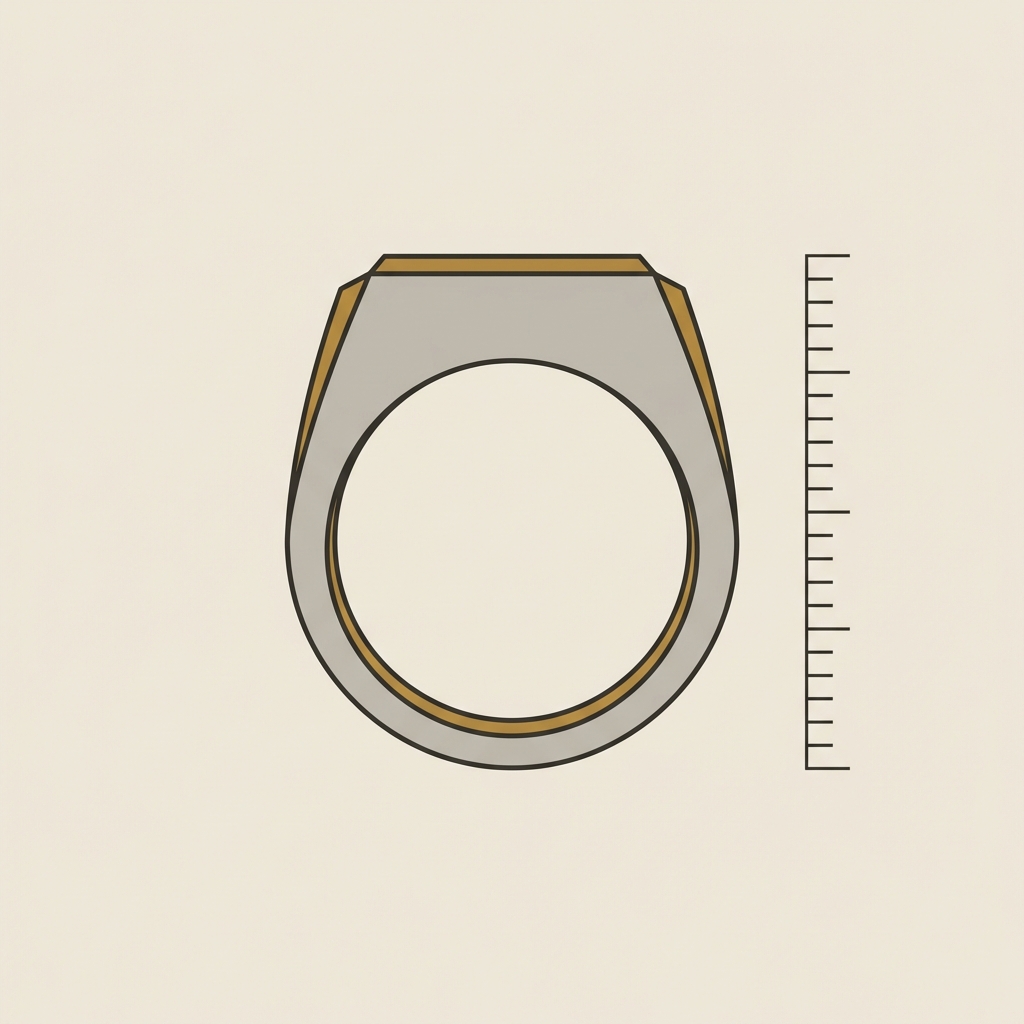
Stone cutting for intaglios was performed by hand with abrasives and small tools, producing cut patterns distinct from modern rotary cuts. Microscopically visible micro-marks and the way an intaglio sits in its bezel can help distinguish ancient work from modern recutting or later repairs.
Patterns of patina and burial corrosion also follow predictable behaviours: copper-alloy rings commonly show granular or layered corrosion where burial conditions were acidic, while gold objects show surface wear and a stable patina rather than extensive corrosion. Conservation literature recommends microscopic inspection and technical reporting when attributions are important.
Dating and attribution: what clues curators use
Curators typically consider bezel form, intaglio subject and mounting technique as practical typological cues, and they compare those features with securely dated parallels in collections or excavated assemblages to estimate a date range The British Museum gallery on Egypt and Sudan.
Material combinations sometimes suggest chronological tendencies; for example certain inlay types or the prominence of faience in particular periods can hint at a workable range, but material alone rarely provides a precise date without complementary evidence.
Request a minimum technical image set and simple checks for attribution
Ask provider to indicate imaging method
Because stylistic dating has limits, good practice is to combine typology with find context, catalogue references and, where available, conservation or compositional reports. When purchase or display is planned, request photomicrographs and any laboratory notes that document metal composition or stone treatment.
Quick identification checklist for buyers
Start with documentation: seek provenance notes, catalogue or museum references, and any third party letters that accompany a listing. Documented provenance and collection history are among the strongest indicators that merit confidence when combined with technical images UCL Petrie Museum collection overview.
Visual and microscopic checks to request include consistent wear patterns, natural patina, evidence of burial corrosion where appropriate, and micro-marks around the bezel and intaglio that resemble hand finishing rather than modern rotary traces. Photomicrographs of the intaglio edge and the interior of the hoop are particularly useful for inspection Getty Conservation Institute guidance on jewelry conservation.
Red flags include a uniform, artificially applied patina that masks details, visible modern adhesives or contemporary solder, and tool marks typical of modern rotary equipment. A lack of verifiable provenance or catalogue references is another serious concern and should prompt further investigation or specialist consultation.
When you compile your checklist, prioritise documentation first, then high-quality images, then any available technical reporting; this order reduces time spent on pieces that cannot be reasonably assessed from the available information.
Reading listings and asking the seller: practical templates
Request clear, written answers to provenance questions: ask for prior ownership history, any catalogue or accession numbers, and whether the piece has been published or examined by a museum or conservator. These details help place a ring within collection history and determine whether further verification is practical UCL Petrie Museum collection overview.
Ask the seller for a set of essential images: a high-resolution bezel close-up, an oblique light shot of the intaglio, a profile photo showing bezel height and mounting, an interior shot of the hoop, and photomicrographs of suspected tool marks or repairs. These angles reveal mounting technique, wear consistency and evidence of adhesives or modern solder.
When the listing includes restoration or conservation notes, read them for what was stabilised, what was repaired, and what was intentionally left untouched. Clear restoration notes that name the stabilising measures and any materials used help buyers judge how invasive the work was and whether it affects attribution.
Common mistakes and pitfalls collectors make
A frequent error is overreliance on a single stylistic trait for dating; bezel form alone can be suggestive but often insufficient without supporting comparisons or archaeological context. Specialists prefer multiple lines of evidence before assigning a narrow date range The British Museum gallery on Egypt and Sudan.
Ignoring restoration and repair history is another pitfall because repairs can obscure original joins or use modern materials that alter appearance. Always ask which interventions were done and request images of the piece before and after conservation when available.
Misreading provenance claims also causes problems: vague or undocumented histories should not be treated as evidence. If provenance is central to a purchase decision, insist on verifiable documentation or a specialist assessment to reduce risk.
Practical examples and scenarios: reading three typical listings
Example A: A carnelian signet ring accompanied by a catalogue reference and a short provenance chain. In this case the carved intaglio subject, consistent wear on the hoop and a museum or catalogue reference together strengthen attribution; request photomicrographs of the intaglio edge and a note on any treatments UCL Petrie Museum collection overview.
Example B: A visually convincing ring with plausible iconography but no documentation. Here the image-based clues are useful yet insufficient; you should ask for photomicrographs, condition notes and any prior ownership details before accepting a confident attribution.
Example C: An obvious reproduction showing a perfectly uniform patina, aggressive modern rotary tool marks and visible adhesive at joins. These technical signals typically indicate a modern make and should be treated as a reproduction unless strong provenance emerges to contradict the visual evidence.
Care, conservation and handling notes for owners
Handle ancient rings minimally, avoid home cleaning with abrasives or chemical solutions, and photograph condition carefully before any work. Documentation of current condition is useful both for future conservators and for provenance records; conserve the record alongside any restoration notes Getty Conservation Institute guidance on jewelry conservation.
If corrosion, active deterioration or structural instability is present, consult a professional conservator rather than attempting repairs. Conservators can stabilise fragile joins, recommend storage that reduces further corrosion, and produce condition reports useful for collectors and museums alike.
For storage, use stable humidity conditions, padded mounts that avoid pressure on inlays or bezels, and separate pieces so metal contact is minimised. Simple archival materials and regular condition checks help preserve patina and prevent unintended damage from handling or poor display choices.
Conclusion: responsible collecting and next steps
To recap, the practical priorities for assessing ancient rings are clear documentation of provenance, careful inspection of materials and iconography, evidence of ancient manufacturing marks, and technical or conservation reports when attribution matters. Combining these lines of evidence reduces uncertainty and supports a responsible approach to collecting Getty Conservation Institute guidance on jewelry conservation.
If you are considering a purchase and the signals are mixed, pause and request further images, documentation or a specialist opinion; when in doubt a conservator or a trusted catalogue comparison can save time and expense. Aurora Antiqua’s role is to provide curated context and documentation notes so that each piece can be read as a unique artifact with conditional language about attribution.
Look for documented provenance or catalogue references, consistent wear and natural patina, photomicrographs showing hand tool marks, and the absence of modern adhesives or rotary tool traces.
Common stones and inlays include carnelian, agate, faience and glass; carnelian was often used for intaglios and seals.
Consult a conservator for active corrosion, structural instability, uncertain repairs, or when a technical report is needed for attribution.
More from Aurora Antiqua
References
- Finger Ring with Frog, The Cleveland Museum of Art
- Ring, Victoria and Albert Museum, London
- OIP 118. Scarabs, Scaraboids, Seals, and Seal Impressions from Medinet Habu, Institute for the Study of Ancient
- Scarab. In: UCLA Encyclopedia of Egyptology (Kathlyn M. Cooney), University of California, Los Angeles
- Faience Technology. In: UCLA Encyclopedia of Egyptology (Paul T. Nicholson), University of California, Los
- Gemstones. In: UCLA Encyclopedia of Egyptology (James A. Harrell), University of California, Los Angeles
- Amulet of an Ankh, inv. no. 1894.103, Art Institute of Chicago
- Client Challenge, JSTOR
- discovery.ucl.ac.uk