


Looking for the real thing? Browse authenticated ancient rings, each piece one of one, individually authenticated, with documented provenance. For the background, see the guide to ancient jewelry.
Introduction: what this article will help you learn
A short checklist to spot meaningful clues when you see a nose ring
Use as a starting point
Nose ornaments are versatile signals that mean different things in different places and times, and a visible emblem such as an eye of horus nose ring can refer either to ancient symbolism or to modern style depending on context; read the wearer, the object, and any documentation together rather than assuming a single explanation, which is particularly important when an emblem is involved as part of personal dress. Readers should expect tools here to help weigh evidence rather than to offer definitive statements about any individual wearer; the broader cultural shift that made nose rings a common personal choice in many parts of the world is well documented in recent cultural histories that trace mainstreaming and stylistic uses.
This article covers basic vocabulary for placement and form, a focused account of the Eye of Horus as an ancient protective motif, regional notes for South Asia and parts of the Middle East and North Africa, plus a practical interpretive framework for collectors and curious viewers. The aim is evidence based interpretation: where the history of a motif or a documented provenance matters, consult museum and encyclopedic resources that summarize long established iconography and display practices.
Definition and context: what a nose ring is and basic types
To interpret what a nose ring might signify, start with a shared vocabulary. Common placements include the left or right nostril and the septum; each placement can carry different cultural associations in different regions, and the same placement may be purely stylistic in many contemporary settings. Forms vary from small studs to simple hoops to larger decorative pieces; in South Asia a distinctive bridal form is often called a nath, while septum rings occupy a different cultural register in some communities.
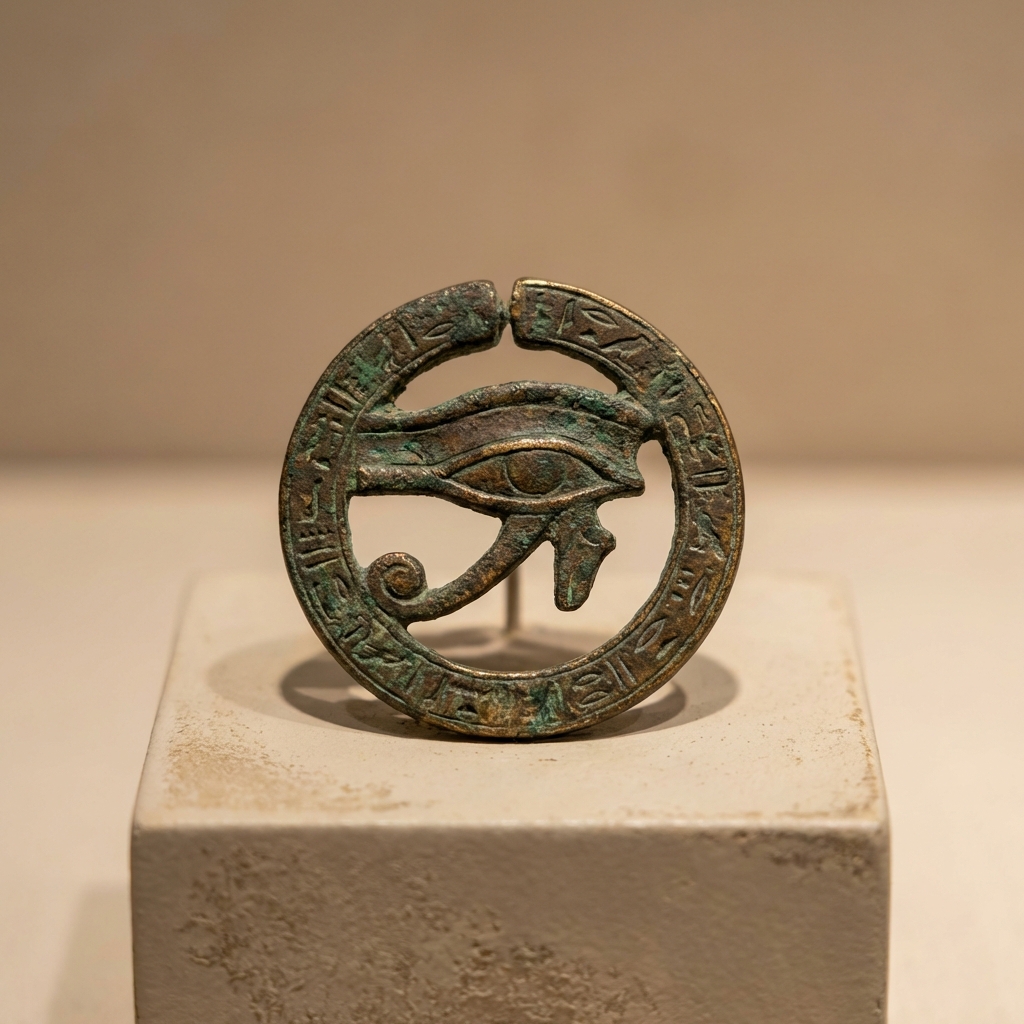
Materials and scale also shape reading. A small stud in a modern alloy will usually be read as a personal accessory, while a heavy gold hoop set with a carved gemstone or a worked metal sheet may be read through a historical or ceremonial lens if provenance supports that reading. When trying to learn from visible clues, note placement, form, material, and the wearer’s clothing and setting before drawing a tentative conclusion.
Eye of Horus: historical meaning and use on jewelry (eye of horus nose ring)
The Eye of Horus, often called the wedjat, is an ancient Egyptian symbol associated with protection and healing and appears frequently on amulets and objects intended to secure safety, recovery, or royal favour, a summary of this motif and its functions is available in reference encyclopedias and museum catalogues such as Encyclopaedia Britannica Encyclopaedia Britannica, and Wikipedia.
A nose ring can signify marital customs, tribal affiliation, local beauty norms, personal style, or political identity depending on placement, material, and context; the Eye of Horus motif historically signals protection, but provenance and documentation are required to treat a specific piece as an antiquity.
Museum collections document the continuous use of the Eye of Horus on amulets, jewelry, and funerary material across the Pharaonic period and later, and the Metropolitan Museum provides accessible object histories and examples that show the symbol used in small, wearable items intended to provide protection to the owner The Metropolitan Museum of Art, and Fashion History Timeline.
South Asia: marital, regional, and ritual meanings (the nath)
In many parts of South Asia a nose ornament known as a nath is closely associated with wedding dress and marriage rituals, and in certain regional traditions it continues to function as a marital marker within local ceremonial practice; readers can find an accessible overview of those continuities and regional variations in cultural commentaries on the practice The Conversation.
At the same time, regional diversity is large: not all nose rings indicate marital status, and some communities use them as everyday adornment with no overt marital signal. Ethnographic summaries and scholarly reviews provide the nuance needed to read a nath in context rather than to generalize across the subcontinent Journal of South Asian Studies.

Middle East and North Africa: tribal, status, and local beauty norms
Historical records and museum documentation show that in various Middle Eastern and North African communities nose ornaments could signal tribal affiliation, social status, or local beauty norms, though meanings and prominence varied by region and period; the British Museum collection pages and related summaries give context for the archaeological and ethnographic instances that support these readings The British Museum.

Because regional traditions vary and change over time, avoid assuming a single meaning for any nose ornament in these regions; where a curated listing or a museum label is present it will typically include provenance, period attribution, and condition notes that help interpret whether a piece is ceremonial, tribal, or personal in origin.
Modern Western and global youth cultures: style, identity, and politics
From the late 20th century onward a nose ring in many Western and global youth cultures most often signals personal style, subcultural affiliation, or political identity rather than an inherited social status; cultural histories trace how once-subcultural body modification choices became mainstream and diversified in meaning Smithsonian Magazine.
Within those contexts a nose ring can express individuality, alignment with a musical or fashion scene, or a small political gesture, and public perception still changes by age group, location, and social circle. Interpreting contemporary wear therefore requires attention to setting and declared intent where available.
A practical framework to interpret what a girl wearing a nose ring might signify
Use a simple checklist when you encounter a nose ring: note placement, type of jewellery, clothing and setting, any declared cultural or personal meaning, and whether the piece is presented with provenance or documentation if it is offered as an antique. Combine these clues rather than relying on a single visible trait to form a tentative reading.
Want behind the scenes details and provenance context?
Please use the checklist above as a starting point; when provenance or documentation is available, follow those records for clearer interpretation and for guidance on respectful presentation.
When a piece appears to reference a historical motif such as the Eye of Horus, prioritize provenance and condition notes before treating it as an antiquity. For everyday encounters, polite questions about meaning can be appropriate when context allows, and for collecting, insist on clear photos, measurements, and restoration notes when a listing claims historical origin.
Materials and motifs: reading an Eye of Horus on a nose piece
When you see an Eye of Horus motif on a nose accessory, understand that the symbol itself has long protective associations but that its appearance on a modern fashion item does not by itself establish historical origin; encyclopedic and museum summaries explain the symbol's meanings, but material, manufacture style, and provenance are what point toward antiquity or modern design echoing older motifs Encyclopaedia Britannica, and Ancient Origins.
For collectors, a metalwork technique consistent with an ancient workshop, wear consistent with age, and accompanying provenance and restoration notes increase the likelihood that a piece is an antiquity, but none of these alone is definitive. Ask for condition notes that explain what was stabilized or repaired and seek collection history when it is offered.
Cultural appropriation and respectful wearing: what to consider
Recent commentary encourages caution around cultural appropriation and emphasizes the need to respect original meanings and provenance rather than assuming uniform significance; this debate is prominent in editorial and scholarly discussion about the modern reuse of traditional motifs and dress elements The Conversation.
Practical guidance includes asking about the source when purchasing, crediting cultural origins when wearing distinctive cultural forms, and avoiding claimed sacred or ceremonial objects when you cannot verify their status. Responsible collecting involves transparent documentation and sensitive presentation rather than casual appropriation.
If you see an Eye of Horus on a nose piece: buying and collecting considerations
When evaluating a nose piece that bears an Eye of Horus motif, request provenance notes, collection history, any authentication letters, and restoration and condition notes; each element helps establish why a seller or curator attributes historical origin to an object and what conservation work was done. Museum and curatorial standards often list similar documentation to support dating and attribution.
For wearable antiquities prioritize clear photos, close detail shots of construction, measurements, and transparent restoration notes; Aurora Antiqua positions itself as a curator that supplies such context in listings, including condition and provenance references when available, to help buyers make informed choices without implying blanket claims about authenticity.
Typical errors and how to avoid misreading signals
Common mistakes include assuming marital status from any nose ring, conflating the use of a motif with historical provenance, and reading a modern style choice as a traditional cultural marker; each of these can be corrected by consulting placement clues, questioning provenance, and avoiding visual inference alone.
Remedies are practical: check where the ornament sits, ask the wearer or seller when appropriate, request documentation for older pieces, and when in doubt prioritize respectful curiosity over confident conclusions. These steps reduce harm that can come from stereotyping or misattribution.
Practical scenarios: reading signals in different settings
At a wedding in South Asia, a large decorated nath worn with bridal dress is plausibly part of marriage ritual and local wedding customs; such a reading is supported by regionally specific ethnographic and cultural writing that links certain nose ornaments with wedding dress The Conversation.
At a concert or political march in a Western city, a nose ring is more likely to function as a style choice or identity marker; contemporary cultural histories on mainstreaming and subcultural adoption show that the same object can mark affiliation rather than inherited social status in these settings Smithsonian Magazine.
In a museum or at a collector fair, provenance and condition notes change the reading entirely: a piece presented with collection history, conservation documentation, and a trustworthy attribution should be treated as a candidate antiquity and evaluated by specialists and conservators using the provided documentation and technical study.
Quick checklist for respectful wear, buying, or asking about a nose ring
Five steps: observe placement and type, look for documentation and condition notes, ask politely about meaning or provenance, credit the cultural source when known, and avoid claimed ceremonial items if you cannot verify their status. These steps apply whether you are deciding to wear a motif, to buy a piece, or simply to ask about a personal ornament.
Sample polite questions include brief, open phrasing such as Is there a story behind your piece? or Does this listing include provenance or restoration notes? When seeking to collect, request measurements and close details and prioritize sellers or curators who supply transparent documentation and condition notes.
Conclusion: balanced takeaways for readers
Meanings attached to a girl wearing a nose ring vary by region, era, motif, and the wearer’s stated intent. The Eye of Horus is historically a protective symbol on amulets and jewelry, but seeing that motif on a nose piece does not by itself establish antiquity; provenance, materials, and condition notes determine whether a motif indicates heritage or modern design The Metropolitan Museum of Art.
Use the checklist in this article, seek documentation for antiques, ask respectfully when appropriate, and consult museum or scholarly sources for deeper study of iconography and regional practice.
No. In some South Asian traditions a nath is linked to wedding dress, but many regions and individuals wear nose rings for personal, aesthetic, or cultural reasons that are not marital markers.
Not necessarily. The Eye of Horus is an ancient protective emblem, but determining whether a nose piece is an antiquity requires provenance, material evidence, and condition or restoration notes.
Use open, polite questions such as Is there a story behind your piece? or May I ask where this design comes from? Accept if someone prefers not to discuss it.
More from Aurora Antiqua
References
- Eye of Horus (Wedjat) Amulet, Egypt, Ptolemaic Period, Art Institute of Chicago
- Amulet with the wedjateye of the god Horus, Victoria and Albert Museum, London
- J. Paul Getty Museum Collection Policy, Board of Trustees
- Research report: export licensing and provenance, GOV.UK, Department for Culture, Media and Sport (DCMS)
- Object ID, International Council of Museums
- About us, International Association of Dealers in Ancient Art
- ICOM-CC, International Council of Museums, Committee for Conservation
- Eye of Horus, Wikipedia
- eye of Horus, fashionhistory.fitnyc.edu
- How does this keep happening? After so many child protection inquiries, The Conversation