


Looking for the real thing? Browse our full ring collection, each piece one of one, individually authenticated, with documented provenance. For the background, see the guide to ancient jewelry.
What we mean by wedding rings and why some faiths avoid them
Definitions: ring, wedding symbol, and alternatives
People use many terms when they talk about marriage jewelry. A wedding ring or wedding band commonly means a plain or decorated ring exchanged as a public sign of marriage. A ritual marker is any object or act that signifies marital commitment in a ceremony, and it can be a ring, a bracelet, a spoken vow, or a communal recognition. For readers interested in historical objects, the phrase ancient wedding band typically refers to rings from earlier periods that were used as tokens of betrothal or marriage, though practices and meanings varied greatly by time and place.
It helps to separate three ideas that are often conflated: ornament, canonical article, and ritual marker. Ornament refers to jewelry worn for adornment. A canonical article is a prescribed religious item that carries doctrinal weight. A ritual marker is the object or action that functions within a marriage rite. Some faiths avoid ornaments but accept canonical articles, and others emphasize vows or communal testimony instead of any material marker.
See provenance and restoration details on @auroraantiqua
For readers weighing historical rings and community norms, Aurora Antiqua publishes contextual guides and condition notes designed to help you describe pieces accurately when discussing them with family or religious leaders.
How ritual marker differs from ornament
A ritual marker need not be decorative. In some traditions the emphasis is on simplicity so the visible object, if there is one, is intentionally modest. In other contexts a prescribed item, such as a steel bracelet in Sikh practice, functions as both a canonical article and a durable symbol of identity and obligation. Distinguishing whether a couple is discussing an ancient wedding band as an ornament or as a ritual marker clarifies whether community rules or doctrinal guidance apply.
Snapshot: faith communities most commonly associated with avoiding rings
Quick comparative table of tendencies
Several communities are commonly associated with avoiding wedding rings or treating them as optional. Examples covered below include Amish and many Old Order Mennonite groups, which often discourage jewelry as part of plain dress; Quakers, whose tradition focuses on vows and testimony rather than material exchange; Sikhs, where the kara is the canonical article; humanist or secular ceremonies, which typically make rings optional; and parts of Islamic practice where men wearing gold is discouraged, shaping local ring customs. This grouping is meant as a map for readers, not a set of universal rules.
Practices vary widely within each grouping and change over time. Where available, the short sections that follow cite overview sources so readers can pursue more detailed, community specific information.
Key reasons summarized
Common reasons for avoiding rings include doctrinal or scriptural emphasis on modesty and plain dress, testimony that rejects outward ornament, canonical articles that serve as alternative markers, and legal or hadith based guidance about specific materials. Social convention and local culture are also strong factors in whether rings are used, and some groups that historically discouraged jewelry see more variation today.
Amish and Mennonite traditions: plain dress and simplicity
How plain dress norms shape jewelry use
Anabaptist traditions such as the Amish and many Old Order Mennonite communities emphasize plain dress and separation from secular fashions, and in many communities that ethos leads to discouraging personal ornamentation including wedding rings. The emphasis is on modesty and nonconformity rather than a specific ban on a particular object, so the practical effect is that rings are often uncommon among those who closely follow plain dress norms, Encyclopaedia Britannica on the Amish.
Historically, this approach grew from theological commitments to simplicity and a visible testimony of separation from wider society. For many adherents the choice is not merely personal style, it signals belonging to a community that interprets modesty as avoiding adornment that draws attention.
Intra community variation and practical examples
Within Mennonite groups there is significant variation. Some congregations categorized as Old Order maintain practices similar to the Amish and discourage jewelry, while other Mennonite communities are more permissive about plain bands or small tokens, Encyclopaedia Britannica on Mennonites.
Practically, couples should ask about local custom rather than assuming uniformity. A useful approach is to describe the intention behind a ring, for example whether it is being worn for family reasons, as a historical heirloom, or as a public ritual marker, and then consult community leaders about acceptability.

Quaker practice: vows and testimony rather than ring exchange
Historical practice and contemporary variation
The Religious Society of Friends historically emphasized spoken vows and communal testimony rather than exchanging material tokens in marriage ceremonies. This emphasis means that traditional Quaker practice often did not include ring exchange as a central rite, and many meetings continue to prioritize vows and the gathered community over ornament, Quaker resources on marriage.
Some communities, notably many Old Order Anabaptist groups, traditional Quaker meetings, and certain observant Muslims regarding men wearing gold, commonly avoid or de-emphasize wedding rings; Sikh practice prioritizes the kara while humanist ceremonies generally make rings optional.
What Quaker meetings tend to do today
Contemporary practice varies. Some meetings now accept or include ring exchanges at the couple's request, while others retain the older style that focuses on the meeting's recognition of vows. Because each meeting may have its own customs, couples planning a Quaker ceremony should consult the clerk or a local elder to understand expectations and permissible forms of symbolism.
Sikh practice: the kara and alternative markers of commitment
The kara as canonical article
In Sikh practice the kara, a steel or iron bracelet, is one of the five articles that many observant Sikhs wear as a visible sign of faith and commitment; it functions as a canonical article rather than as a decorative ring. Rings are not a required religious symbol in Sikh marriage rites, and marriage markers can therefore differ by culture and family custom, BBC Religions summary on Sikh rites.

How marriage markers vary in Sikh communities
Where families value the kara as a meaningful sign, couples often prioritize it or other culturally significant objects over a Western style wedding band. Conversely, many Sikh families also incorporate rings in modern or intercultural ceremonies as a personal or secular choice. The key point is that the kara holds a particular canonical status that can make ring exchange optional rather than required.
Islam and ring practices: legal opinions and gendered norms
Hadith based guidance on gold for men
Several Islamic legal opinions and hadith based rulings discourage or prohibit men from wearing gold, and that guidance has affected male wedding ring practices in many observant communities; by contrast female practices around rings vary considerably by region and culture, IslamQA summary on men wearing gold.
Because the guidance focuses on material rather than on the idea of a ring itself, many Muslim men who wish to wear a symbol choose alternatives such as silver bands or nonmetal markers. Local custom and cultural norms play a substantial role in whether rings are common in weddings across the Muslim world.
How cultural practice affects women and regional variation
Women’s use of rings in Muslim majority societies often reflects local customs, marriage contract traditions, and social expectations more than a single doctrinal rule. In some regions the exchange or wearing of rings is routine, while in others other objects or public acknowledgements serve as the primary markers of marital status.
Humanist and secular ceremonies: rings as optional symbolism
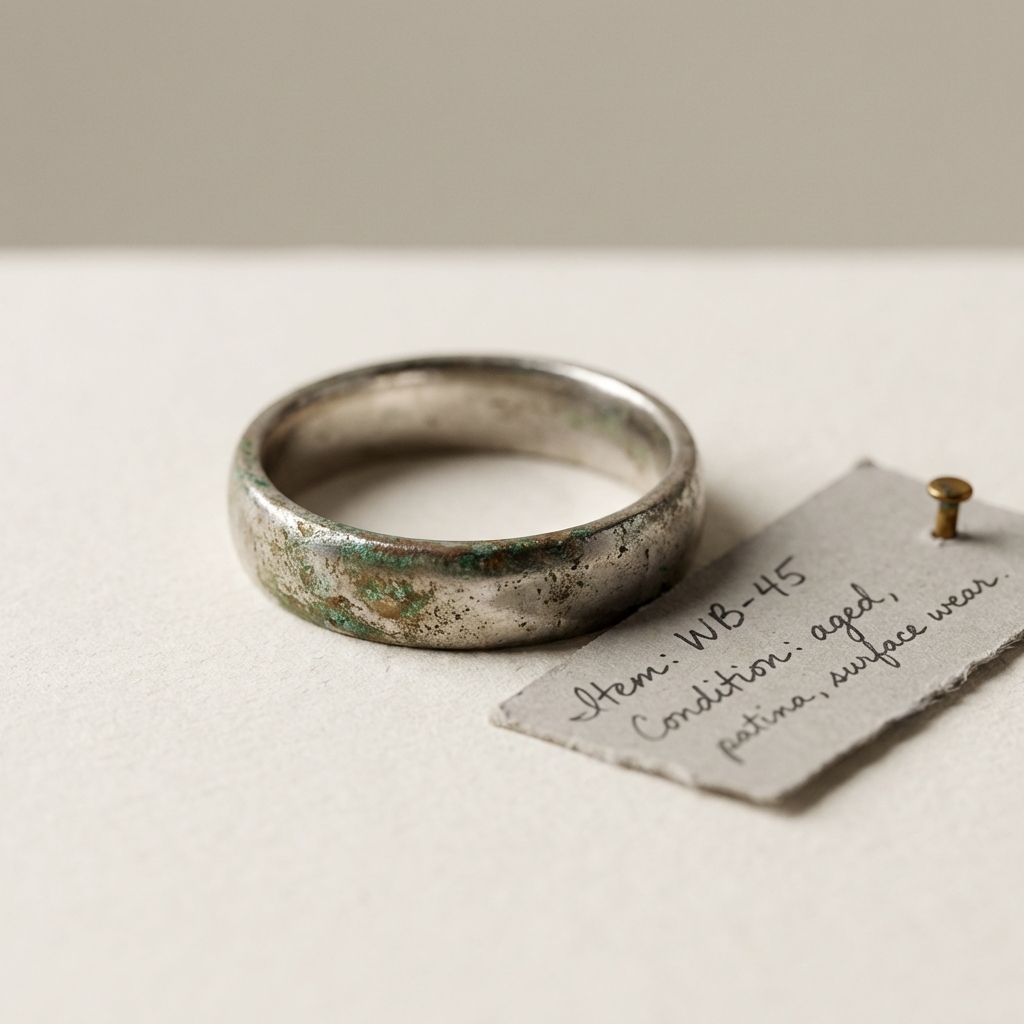
Humanist and secular wedding ceremonies typically treat rings as optional symbolic choices rather than doctrinal requirements, leaving the decision to the couple and the tone of the ceremony, Humanists UK on humanist weddings.
Because humanist ceremonies foreground personal meaning and mutual vows, many couples choose alternatives or multiple symbols, such as exchanging written commitments, planting a tree, or presenting a public certificate in place of rings.
How couples can personalize symbolic choices
Secular couples often combine elements from family traditions and personal values. For example, a couple may use an heirloom as a visible token while also reading modern vows, or they may choose to incorporate a canonical article from one partner’s background alongside more contemporary symbols of commitment.
A practical decision framework for couples balancing faith and rings
Questions to ask your community and officiant
Deciding whether to wear a ring involves both community inquiry and personal reflection. Start by asking your officiant or community leader what is customary and why, whether canonical articles are preferred, and what language they recommend when presenting an heirloom or antique ring. Documenting the guidance you receive can help when planning an interfaith or mixed practice ceremony.
A short list to guide conversations about rings and ritual markers
Use this checklist as a conversation starter
Weighing symbolism, modesty, and personal meaning
Balance practical symbolism against modesty norms by asking whether the item is primarily an ornament or a community recognized article. If the piece is an ancient wedding band or other heritage ring, clarify whether it will be worn daily or presented only during the ceremony, and discuss any restoration or condition details with leaders so expectations around visibility and use are clear.
When communities prefer minimal ornament, consider alternatives that align with doctrine, such as wearing a plain metal band made of an acceptable material, using a canonical article, or recording vows and certificates as the primary marker.
Alternatives to rings and culturally informed options
Canonical articles like the kara and other bracelets
Canonical articles such as the kara serve as durable, prescribed markers in some traditions. Where such articles exist, they can be accepted in place of a ring both theologically and socially. Other faiths prize vows or communal recognition in ways that intentionally minimize material display.
Non jewelry alternatives: vows, certificates, and communal recognition
Non jewelry alternatives include prominently read vows, signed marriage certificates presented in the ceremony, communal acknowledgements by elders, or symbolic acts like planting a tree or sharing a ritual meal. These options can respect doctrinal emphases on modesty and testimony while still creating a shared, memorable marker of commitment.
Brief examples showing how substitutes align with modesty or testimony
For instance, a community that avoids ornament might accept a visible certificate read aloud at the meeting, while a family with a canonical bracelet tradition may have the bracelet blessed or placed on the wrist during the rite. The practical aim is to align the visible marker with the community’s underlying values.
Common mistakes and pitfalls when interpreting traditions
Avoid assuming uniform practice
One common error is treating a single congregation or family as representative of an entire faith tradition. Local custom, historical influences, and the degree of observance matter. Always ask about the local pattern rather than assuming a universal rule applies.
Avoid conflating cultural habit with doctrine
Another pitfall is confusing cultural habits with teaching. A practice that is widespread in one country may be cultural rather than doctrinal, and conversely a doctrinal prohibition may be unevenly enforced. Distinguishing these helps when explaining an heirloom or an ancient wedding band to community authorities.
Check provenance and avoid overclaiming
Do not overstate provenance or authenticity when discussing an antique ring. Describe condition, documented history, and any restoration notes you have, and invite leaders to respond. This cautious approach preserves trust and avoids claims about authenticity that cannot be substantiated.
Scenarios and short case studies couples may encounter
Interfaith couple where one partner follows plain dress
A couple where one partner adheres to plain dress norms may choose to keep a ring private, present a plain band during the ceremony, or substitute vows and communal recognition as the central act. The respectful step is to consult community leaders and to explain the ring’s intention clearly to family members.
Couple with Sikh heritage considering kara and ring
A couple with Sikh heritage may ask whether a kara alone suffices as the visible marker, or whether a ring can be added in a way that respects both family expectations and canonical practice. Talking with a gurdwara representative or elder clarifies whether combining symbols is appropriate in a given community.
Modern Quaker meeting with mixed practice
In a Quaker meeting that allows flexibility, a couple might present vows in the gathered meeting and separately exchange a private ring afterward. The walking back and forth between communal testimony and personal symbolism is often negotiable when the meeting is consulted in advance.
If you are considering an ancient ring or heritage piece for a ceremony
Condition, restoration, and documentation to check
If you are considering an ancient wedding band for ceremonial use, begin with condition notes and restoration records. Describe what was stabilized or repaired, list materials as reported, and provide any provenance or collection history available. Presenting these points helps religious leaders understand the object without requiring technical authentication.
Also consider practical concerns such as how wearable the piece is, whether it is comfortable for daily wear, and whether display during a ceremony aligns with local modesty expectations.
How to present provenance and condition to an officiant or community
When presenting an ancient ring, avoid absolute claims about authenticity. Instead state the documented provenance and any restoration notes, and offer to show photographs and condition descriptions. That transparent language invites a conversation about acceptability and respect for both the object and the community tradition.

Where appropriate, Aurora Antiqua can supply condition notes and collection history for pieces we curate to help buyers explain an item to family or leaders, while avoiding definitive authenticity claims unless supported by specific documentation.
Conclusion: respectful decision making and next steps
Summing up main points
Which religions do not wear wedding rings depends on doctrine, canonical articles, cultural context, and local custom. Communities such as the Amish and many Old Order Mennonite groups tend to discourage jewelry because of plain dress norms, Quaker practice often emphasizes vows over material exchange, Sikhs commonly use the kara as a canonical article, certain Islamic opinions discourage men wearing gold, and humanist ceremonies usually treat rings as optional.
Where to seek further guidance
For next steps, consult local community leaders, describe any heritage item with clear condition and provenance notes, and use the practical checklist to guide conversation. Respectful inquiry and transparent documentation help couples navigate differing expectations while honoring both personal meaning and communal values.
No. Many Old Order communities discourage jewelry as part of plain dress, but practices vary by Mennonite group and local custom.
Yes. The kara is a canonical article that can function as a visible marker of commitment, and ring exchange is not a required religious ritual.
Often yes, but couples should present condition notes and provenance, and consult the officiant or community leaders about acceptability and presentation.
More from Aurora Antiqua
References
- Internet History Sourcebooks: Medieval Sourcebook, Internet Medieval Sourcebook, Fordham University, New York
- The Form of Solemnization of Matrimony, The Church of England
- Gimmel Ring, Victoria and Albert Museum, London
- ring, Victoria and Albert Museum, London
- Pliny the Elder, The Natural History, BOOK XXXIII, Perseus Digital Library, Tufts University (edition Bostock)
- Thumb Ring, The Cleveland Museum of Art