


Looking for the real thing? Browse authenticated ancient rings, each piece one of one, individually authenticated, with documented provenance. For the background, see the guide to ancient jewelry.
Quick answer: where is King Tut's gold now?
The core burial assemblage and the most famous gold showpieces from Tutankhamun’s tomb are now concentrated in the Grand Egyptian Museum, which presents a consolidated Tutankhamun display and galleries following official transfers carried out in the 2020s, according to the museum’s public materials and ministry statements Grand Egyptian Museum - Tutankhamun galleries and collection.
That consolidation means the funerary mask and many of the iconic gold items that remained in state care are part of purpose built displays at GEM, while some items previously on view in Cairo were moved for conservation or remain in storage during the museum transition Official statement on transfer and display of Tutankhamun collection to the Grand Egyptian Museum.
The largest concentration of Tutankhamun’s core burial gold and showpieces is now at the Grand Egyptian Museum, with the funerary mask and principal items displayed in dedicated Tutankhamun galleries; rotation and conservation mean not every item is always on view.
Selected objects have been legally loaned to international exhibitions in the past, but Egyptian policy since the 2010s has increasingly favored keeping the core burial collection in Egypt and tightening loan conditions for fragile or emblematic pieces Treasures of Tutankhamun - history of the major international exhibitions and loan policy context.
If you are researching a particular item, for example an ancient egyptian gold ring once reported in older catalogues, the most reliable starting points for current object-level information are GEM’s official pages and established research archives and catalogues Grand Egyptian Museum - Tutankhamun galleries and collection.
The Grand Egyptian Museum: the current public home for Tutankhamun's core collection
The Grand Egyptian Museum is presented by Egyptian authorities as the consolidated public home for the largest concentration of Tutankhamun’s burial assemblage and principal gold showpieces; official museum pages describe dedicated Tutankhamun galleries and the transfer of core items to GEM Grand Egyptian Museum - Tutankhamun galleries and collection and the official GEM listing Tutankhamun Galleries.
Public messaging and ministry statements document the transfers and the intent to display many of the most iconic pieces together, which makes GEM the primary in-country site to view the bulk of the collection in one visit, subject to rotation and conservation policies Official statement on transfer and display of Tutankhamun collection to the Grand Egyptian Museum.
Visitors should expect that the museum operates a curatorial programme that manages which objects are on view at any given time, and that a number of fragile items can be kept in controlled storage or conservation labs while reproductions, labels, or rotating displays are used to reduce exposure risks Grand Egyptian Museum - Tutankhamun galleries and collection.
The funerary mask and showpieces: which famous gold objects are on display
Tutankhamun’s funerary mask, long part of Egypt’s public collection, is now displayed within the dedicated Tutankhamun galleries at GEM as part of the consolidated presentation of the tomb’s principal showpieces Grand Egyptian Museum - Tutankhamun galleries and collection (see a Smithsonian overview of GEM GEM and Tutankhamun).
Many of the showpiece gold items that were in Egyptian state care were transferred into GEM displays or are being conserved as part of the move, so the mask and other key objects form the core of the new presentation while less robust items may be stored or rotated Grand Egyptian Museum - Tutankhamun galleries and collection.

Because some pieces are both display icons and conservation priorities, curators commonly limit exposure of the most delicate gold objects and provide detailed interpretive material so visitors can understand original context and condition without risking further deterioration Grand Egyptian Museum - Tutankhamun galleries and collection.
The Egyptian Museum in Tahrir: what changed during the transition
The historic Egyptian Museum in Tahrir saw many Tutankhamun objects moved for conservation and transfer at the time of the GEM programme, and as a result it contains fewer of the original KV62 showpieces than it did prior to the transition The Egyptian Museum (Cairo) - collection status and conservation work during transition.
During the multi year move, curators and conservators prioritized stabilizing delicate items for transport and for display at GEM; some objects remained in Tahrir for conservation work or were kept in storage while documentation and condition assessments were completed The Egyptian Museum (Cairo) - collection status and conservation work during transition.
If you are visiting the older museum, expect fewer of the KV62 presentations and check current catalogues or on site information, since labels and exhibit lists changed as the core collection was consolidated Grand Egyptian Museum - Tutankhamun galleries and collection.
How museums decide what to display, store, or loan: criteria that affect Tutankhamun objects
Museums weigh several clear criteria when choosing to display or store gold artifacts: the object’s physical fragility and conservation needs, the interpretation or curatorial narrative that it supports, and any legal or diplomatic constraints that apply to loans or overseas exhibitions Grand Egyptian Museum - Tutankhamun galleries and collection.
For high value and delicate gold objects, limiting light, humidity changes and handling are routine reasons to rotate items out of public view or to keep them in controlled storage until appropriate display conditions and conservation plans are in place The Egyptian Museum (Cairo) - collection status and conservation work during transition.
rapid points to check whether an object is on display or in storage
use official museum pages first
National policy and curatorial priorities also shape whether a museum will loan an object; in Egypt’s case recent policy changes emphasize retaining the core burial collection in country and impose stricter conditions on international loans, especially for emblematic pieces Treasures of Tutankhamun - history of the major international exhibitions and loan policy context.
A short history of international Tutankhamun exhibitions and loan practice
Selected Tutankhamun objects were legally loaned to major international exhibitions during the mid and late 20th century and into the 21st; those tours increased public awareness but relied on formal loan agreements and strict transport and display conditions How Tutankhamun’s treasures toured the world and reshaped public views.
Since the 2010s, Egyptian policy has generally emphasized in country display for the core burial collection and introduced tighter loan criteria for fragile or emblematic gold items, so large international tours are less likely for the most sensitive pieces Treasures of Tutankhamun - history of the major international exhibitions and loan policy context.
The history of touring exhibitions remains relevant for scholars and collectors because it explains why provenance notes and loan histories appear in earlier catalogues and why tracking an object’s location requires consulting formal museum records and loan documentation Treasures of Tutankhamun - history of the major international exhibitions and loan policy context.
How to research a specific object remotely, for example an ancient egyptian gold ring
Begin with GEM’s official website and any ministry releases that mention transfers or current galleries; those sources set the baseline for whether a given Tutankhamun object is held in the consolidated collection and whether it is listed as on display Grand Egyptian Museum - Tutankhamun galleries and collection.
Verify object locations with official sources
Check GEM’s Tutankhamun pages and official ministry announcements first, then consult established research archives and catalogues for detailed object records.
After consulting GEM, check established research archives, scholarly catalogues and reference resources such as established museum catalogues or the Griffith Institute for item level descriptions and photographs that can corroborate provenance or publication history Tutankhamun - overview, discoveries and the tomb’s contents. Also consult comparative material such as the Aurora Antiqua ancient Roman rings collection Ancient Roman rings for typological references.
Keep in mind that a publicly searchable, item-by-item GEM inventory and a published long term rotation schedule may not yet be fully available, so if an ancient egyptian gold ring is listed in an older catalogue you should verify current status with GEM or the ministry where possible Grand Egyptian Museum - Tutankhamun galleries and collection.
Conservation, rotation and the unresolved inventory question
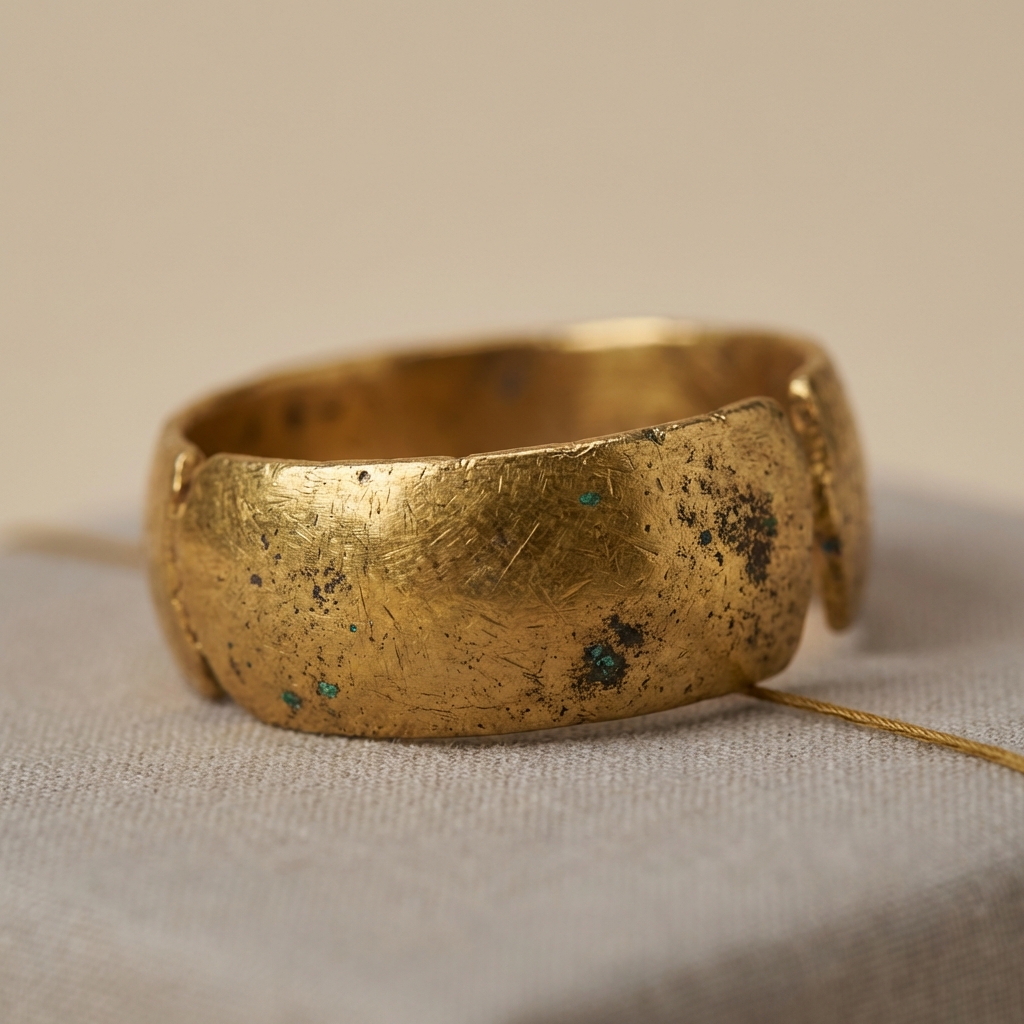
Fragile gold artifacts are often rotated to limit light and environmental exposure and to allow conservation work; curators make these choices to preserve surface features, attached inlays and delicate joins rather than for interpretive reasons alone The Egyptian Museum (Cairo) - collection status and conservation work during transition.
A publicly accessible, item by item GEM inventory and a transparent long term rotation schedule for fragile objects remain outstanding in the public record; readers should consult official GEM catalogue releases or ministry inventories when they become available for confirmation of individual object locations Grand Egyptian Museum - Tutankhamun galleries and collection.
Common myths and mistakes when asking 'where is King Tut's gold now?'
A frequent mistake is assuming all Tutankhamun gold is always permanently on public display; in reality many objects are conserved, rotated or stored and display lists can change as conservation needs arise Grand Egyptian Museum - Tutankhamun galleries and collection.
Another common confusion is treating loans as transfers of ownership; international exhibitions traditionally used legal loan agreements and returned pieces to Egyptian state care, and current policy gives priority to keeping the core collection in country Treasures of Tutankhamun - history of the major international exhibitions and loan policy context.
Practical tips for visiting GEM and verifying what you will see
Before you travel, check GEM’s official site and public announcements for current galleries and exhibit lists, which will give the best indication of what is likely to be on display when you visit Grand Egyptian Museum - Tutankhamun galleries and collection.
On site, ask gallery staff about temporary rotations or conservation closures and consult labels and provenance notes to confirm an object’s documented history rather than relying on memory or older guides The Egyptian Museum (Cairo) - collection status and conservation work during transition. For visitor highlights and travel commentary see a shortlist of Tutankhamun treasures at GEM 10 Tutankhamun Treasures Only At The Grand Egyptian Museum.
Understanding provenance and documentation for Tutankhamun objects
Provenance notes typically include collection history, prior ownership references and any verification letters or catalogue citations that support an object’s documented trail; these elements help interpret how an object entered modern collections and what records exist for it Tutankhamun - overview, discoveries and the tomb’s contents.
Condition and restoration notes describe what conservators have stabilised, repaired or deliberately left untouched and are central to assessing an object’s state; for ancient rings and small gold artifacts look for statements about joins, surface wear and any added supports used in display Grand Egyptian Museum - Tutankhamun galleries and collection.
Case study: tracing an ancient egyptian gold ring through public records and catalogues
Step 1: start with GEM and ministry sources to see if the object is mentioned in an official catalogue or gallery list; these official pages will confirm whether an item is part of the consolidated Tutankhamun holdings Grand Egyptian Museum - Tutankhamun galleries and collection.
Step 2: check established research archives, scholarly catalogues and reference entries that may include photographs, publication citations or previous exhibition histories which help place an ancient egyptian gold ring in a documented timeline Tutankhamun - overview, discoveries and the tomb’s contents. For comparative material see Aurora Antiqua's ancient Roman rings collection Ancient Roman rings.
Step 3: if public records are incomplete, contact museum curatorial staff with a concise request including catalogue references, catalogue plate numbers or exhibition histories, and ask whether the object has a current gallery listing or a conservation status that explains why it may not be on view Grand Egyptian Museum - Tutankhamun galleries and collection.
How Aurora Antiqua approaches ancient rings and documentation
Aurora Antiqua presents curated ancient rings spanning multiple periods with clear condition notes, restoration and preservation explanations, and provenance style references when available to help buyers understand what they are considering, without claiming absolute certainty about every record.
Our editorial and historical content explains cultural context, common motifs and likely dating, and we encourage potential buyers to consult museum catalogues, specialist publications and official documentation when evaluating an item described as an antiquity. See Aurora Antiqua store for related references.
Conclusion: where to look next and reliable sources to follow
The Grand Egyptian Museum is the primary public home for the largest concentration of Tutankhamun’s core burial gold and the funerary mask, and GEM’s official pages along with ministry releases are the most authoritative starting points for current location information Grand Egyptian Museum - Tutankhamun galleries and collection.
For item level research, established research archives, museum catalogues and reference works remain essential, and readers should watch for official GEM catalogue publications or ministry inventories to confirm rotations or items kept in storage The Egyptian Museum (Cairo) - collection status and conservation work during transition. You can also review our rings collection rings collection for comparative examples.
The funerary mask is displayed in the Tutankhamun galleries at the Grand Egyptian Museum; check GEM’s official pages for current gallery information and any temporary closures.
Yes, selected items were legally loaned to major international exhibitions in the 20th and 21st centuries, but recent policy prioritises keeping the core burial collection in Egypt and places tighter conditions on loans.
Start with official museum catalogues and GEM pages, then consult research archives and scholarly publications; contact curatorial staff with catalogue references if public records are incomplete.
More from Aurora Antiqua
References
- NPS Museum Handbook, Part I, Appendix O: Curatorial Care of Metal Objects, National Park Service, US Department
- Conserve O Gram 4/16: Creating A Microclimate Box for Metal Storage, National Park Service, US Department
- Standards: Konservatorische Behandlung von archäologischen Funden (conservation of archaeological finds), Bundesdenkmalamt Österreich
- Collections Care: Metal Objects, State Historical Society of Iowa
- Amulet with the wedjateye of the god Horus, Victoria and Albert Museum, London
- Finger Ring with Frog, The Cleveland Museum of Art
- Catalogue of the Engraved Gems and Finger-Rings in the Ashmolean Museum, II: Roman, BAR Publishing, via Fulcrum
- For the First Time, All 5,000 Objects Found Inside King Tut's Tomb Will Be, Smithsonian Magazine