


Looking for the real thing? Browse authenticated ancient artifacts, each piece one of one, individually authenticated, with documented provenance. For the background, see the guide to ancient jewelry.
Quick answer: do scarab bracelets have value and when?
Short summary for buyers, ancient egyptian scarab ring price
Yes, scarab bracelets can have value, but the range is wide and depends primarily on material, provenance, condition and documentation; common faience examples are typically at the lower end of the market while carved stones or pieces set in metal can command higher interest from collectors, a pattern reflected in recent market reports Christie’s market reports.
For a practical buyer question such as estimating an ancient egyptian scarab ring price, laboratory testing and a written specialist opinion usually increase confidence and marketability for higher value pieces, because objective material and comparanda evidence make attributions stronger Journal of Archaeological Science.
What is an Egyptian scarab bracelet? Definition, forms and common contexts
Scarabs are a common amuletic form in ancient Egypt: small, often beetle-shaped carved elements used as beads, mounts or intaglios on personal jewellery and strings of beads, and they frequently appear in museum collections as both independent amulets and components of bracelets British Museum collection guide.
As a buyer you will see at least three common forms: strung bead bracelets composed of many scarab beads; bracelets where a central scarab is mounted in a bezel or metal seat; and modern arrangements where ancient scarabs are restrung or set into later mounts. Identifying whether a scarab is an integral component or a later addition is important when assessing the likely market interest.
Materials and manufacture vary: many scarabs are made in faience or steatite and can be glazed or unglazed, while others are cut from semi-precious stones such as carnelian or agate; some are later mounted in gold or silver settings. Dating and workshop attribution can affect interpretation, but these often require specialist comparison with museum examples to reach a high confidence level Metropolitan Museum of Art collection entry.
Key value drivers: materials, provenance, condition and documentation
Material is often the single strongest driver of value: faience and steatite scarabs typically sit lower in market tiers, while carved stone scarabs and gold-mounted examples often attract premium interest, a pattern seen in specialists’ market observations Metropolitan Museum of Art collection entry.
Provenance and legal status materially change marketability: clear collection history, export documentation and absence of unresolved ownership claims can substantially increase buyer confidence, whereas gaps or red flags tied to national export rules or the UNESCO 1970 framework can reduce the pool of willing buyers UNESCO 1970 Convention.
See provenance and restoration details on @auroraantiqua
Gather clear photos, measurements and any provenance documents before contacting an appraiser; these basics let an expert make a faster, more reliable first appraisal.
Condition and restoration affect value in predictable ways: intact beads, original stringing and minimal invasive repairs generally support higher prices, while modern reassemblies or undocumented heavy restoration lower market confidence and require disclosure to potential buyers Getty Conservation Institute research.
Materials and their market implications: faience, steatite, carnelian and metalwork
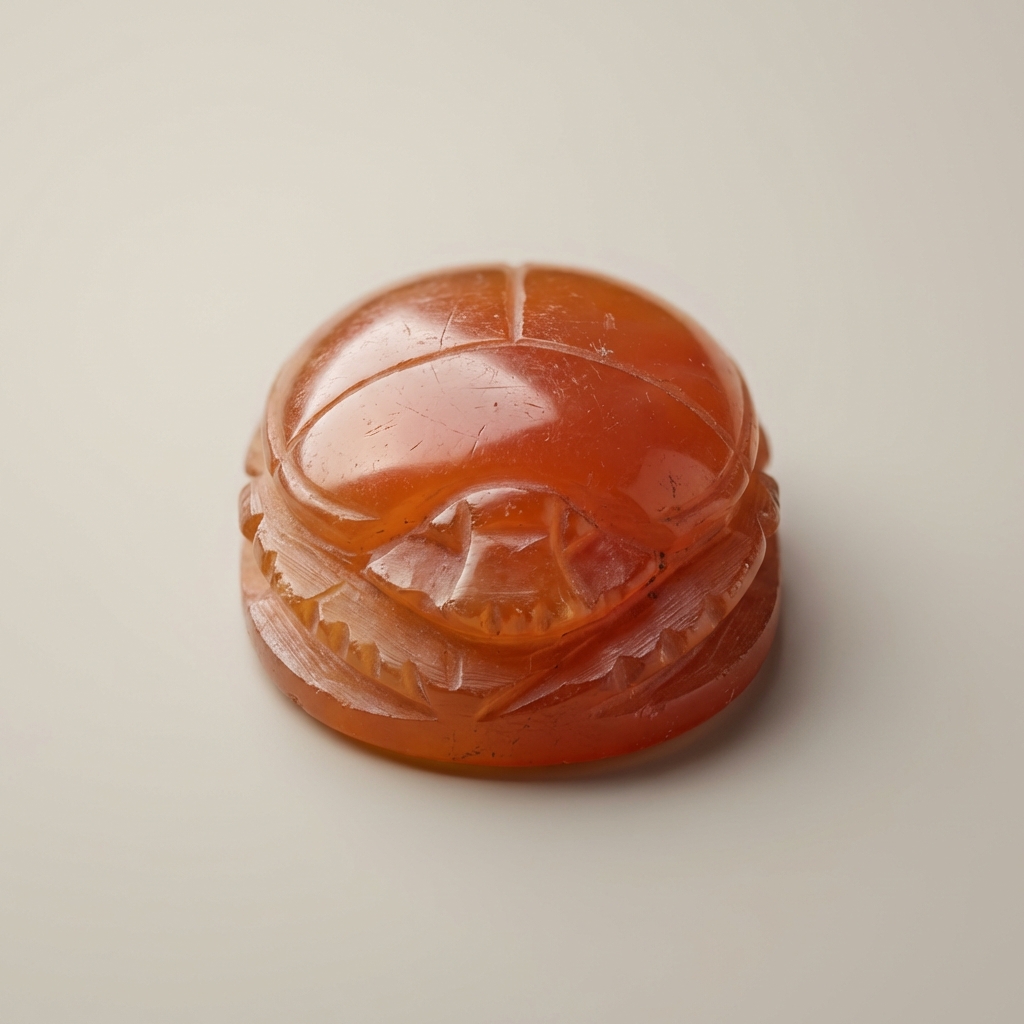
Faience and steatite scarabs are common and often identifiable in photos by their glaze, lighter weight and sometimes a powdery surface where glaze has worn; these materials are historically widespread and therefore frequently pricing at the lower end of dealer and auction ranges Metropolitan Museum of Art collection entry.
Carved stones such as carnelian, agate and occasionally amethyst are harder and display different light transmission, polish and tool marks; intact carved scarabs in stone frequently attract more collector attention than comparable faience examples because of material durability and aesthetic qualities.
Scarab bracelets can have both monetary and historical value, but the degree depends on material, documented provenance, condition and, when needed, scientific testing to support attributions.
Metal-mounted scarabs, where an ancient scarab is set into a gold or silver bezel, can bring additional value because the mount itself is an object of interest; however, the presence of a later mount requires careful documentation and reporting, since mounts can be later additions that change attribution and market appeal Getty Conservation Institute research.
When the material is uncertain from photographs, lab testing or specialist visual examination will be the most reliable next step before assuming a higher price tier, especially if provenance suggests a possible premium piece Journal of Archaeological Science.
Provenance, documentation and legal checks every buyer should request
Useful provenance elements that increase marketability include clear collection history, prior ownership notes, invoices or export paperwork, third-party verification letters and museum comparanda; these elements let buyers cross-check claims and reduce transaction risk Christie’s market reports.
A careful buyer should always consider legal and ethical checks: the UNESCO 1970 Convention and national export controls remain the primary frameworks that affect cross-border trade and can influence whether a piece can be sold or legally transferred; unresolved export or ownership questions lower buyer confidence and often reduce achievable prices UNESCO 1970 Convention.

A seller who can provide clear provenance documents, conservator condition notes and any prior auction or dealer records improves a bracelet’s marketability; when documentation is thin, buyers should treat price expectations conservatively and may ask for further verification or a specialist opinion Christie’s market reports.
Condition and restoration: what increases or reduces value
Look for signs of historic wear such as consistent abrasion, natural surface patina and creasing where stringing passes through holes; these traits often demonstrate age and use consistent with authenticity, which buyers find preferable to items that appear overcleaned or inconsistently retouched Getty Conservation Institute research.
Conversely, modern repairs, adhesive residues, recent re-drilling or heavy polishing are restoration signs that should be disclosed and can reduce value; reputable sellers will list restoration notes and any stabilisation work performed by a conservator in a condition report Getty Conservation Institute research.
When condition or restoration is unclear from images, request conservator input or detailed condition notes; a brief conservator statement can greatly improve buyer confidence for mid to high tier items where price differences are meaningful Christie’s market reports.
Scientific testing and authentication methods buyers should know about
Common analytical methods used today include XRF for elemental analysis of metal components, SEM-EDS and petrographic microscopy for material characterisation, and thermoluminescence where applicable for fired materials such as faience; these techniques help specialists confirm material and detect modern fabrication when necessary Journal of Archaeological Science and non-destructive XRF analysis.
Lab tests increase attribution confidence but rarely provide a simple authenticity yes or no; results must be read alongside comparanda and documented provenance to build a robust case for market valuation Journal of Archaeological Science and guidance on how XRF analysis reveals origins.
Track essential lab reports and comparanda for appraisal
Keep a single file of results
Because testing costs time and money, reserve laboratory analysis for items with medium to high potential value or where attribution is disputed; for common faience bracelets, high-cost testing is seldom cost effective unless provenance suggests otherwise Christie’s market reports.
Market patterns in practice: auction and dealer examples
Market behaviour shows predictable brackets: many common faience scarab bracelets appear in the low hundreds of USD at dealer sales or auctions, while well-documented carved stone or metal-mounted bracelets may reach sums in the thousands to tens of thousands, depending on provenance and condition Christie’s market reports and in some cases are sold at auction.
What drives a premium in observed sales is typically a combination of material quality, a strong and documented provenance, comparative museum examples and, increasingly, supporting lab tests or conservator reports that reduce buyer uncertainty Journal of Archaeological Science.
When using market comparisons, prefer databases and museum comparanda over single sale anecdotes; comparative research that lists similar objects with documented histories will produce a more reliable estimate than isolated listings or unverified claims Christie’s market reports.
A practical appraisal framework: step-by-step for a confident estimate
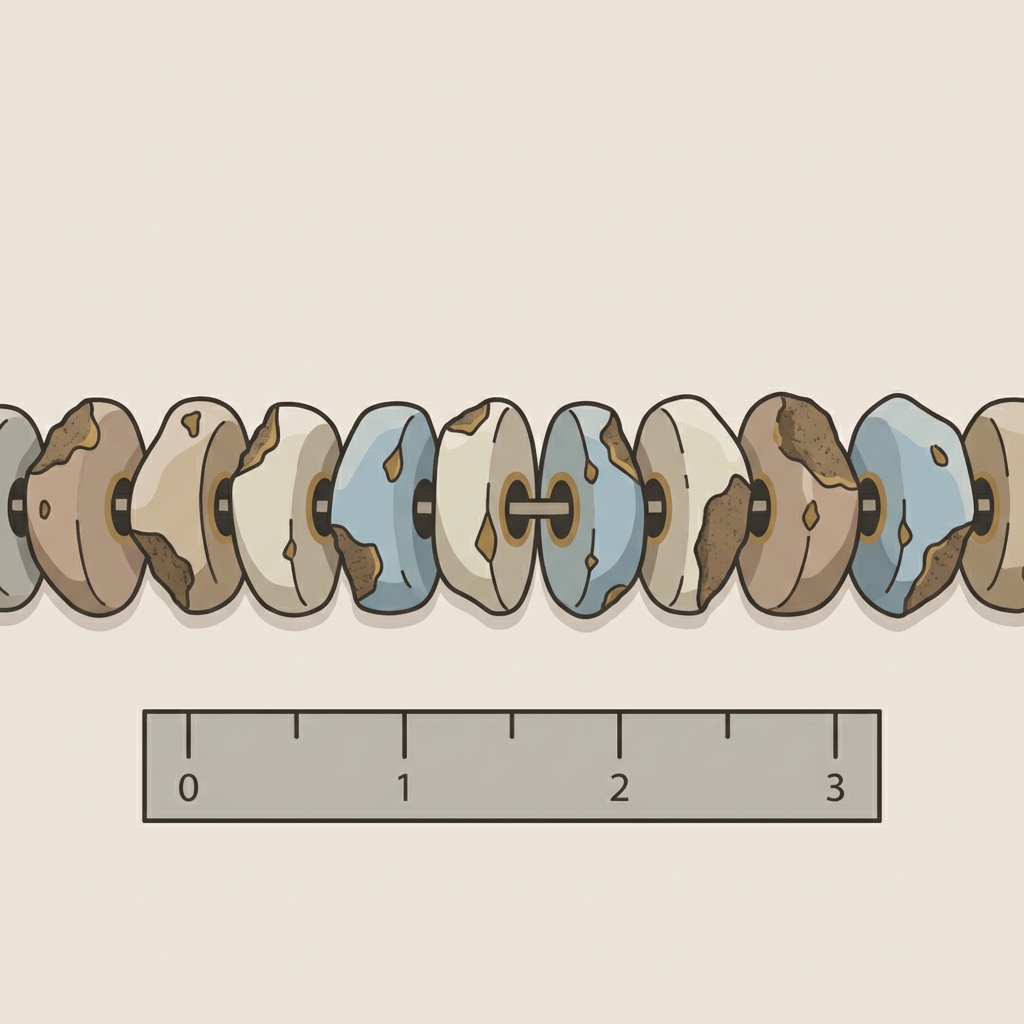
Start by collecting a standard photo set: full bracelet views, close-up of scarab faces and bases, images of stringing or mounts, and a metric scale beside the object; these images are the minimum an appraiser needs to triage an ancient egyptian scarab ring price with confidence.
Next, assemble provenance and documentation: any invoices, export papers, previous sale listings, collection history notes or conservator reports should be shared. If the seller lacks documentation, treat the item as higher risk and adjust pricing expectations accordingly UNESCO 1970 Convention.
Perform a quick triage checklist: identify material, note condition markers, check for mounts or re-stringing, and flag any legal or export concerns; if the triage suggests medium or high potential, escalate to a specialist appraiser who can consult comparative auction databases and request nondestructive tests if needed Christie’s market reports and see our questions and answers for common reader queries.
When to hire a specialist and what to expect from an expert report
Hire a conservator for complex condition questions and an analyst or lab for material identification; an ancient jewellery appraiser is the right professional to synthesize market comparanda, auction databases and any lab results into a written valuation that a buyer or seller can rely on for pricing decisions Journal of Archaeological Science.
A credible expert report should include clear condition notes, a discussion of material and dating evidence, a review of provenance and comparanda, and transparent limitations where testing was not performed; these elements help translate technical findings into a practical market view for the item in question Christie’s market reports.
Expect that specialist input comes at a cost and that the value of those reports lies in reducing transaction risk and supporting a premium when documentation and tests align; for lower tier faience bracelets, the cost-benefit may favour conservative pricing rather than full analysis Journal of Archaeological Science.
Decision criteria: when to buy, hold or walk away
Use simple rules of thumb: common material plus little documentation suggests a conservative buy price; strong provenance and supporting lab results justify a higher offer range because they reduce uncertainty and broaden buyer interest Christie’s market reports.
Red flags that should prompt walking away include unresolved export paperwork, aggressive reluctance to share provenance or condition reports, and obvious modern restoration that is undisclosed; ethical and legal uncertainty can create lasting resale problems and reputational risk UNESCO 1970 Convention.
Common pitfalls and mistakes buyers and sellers make
Typical errors include accepting vague provenance claims, assuming a stone identity from photos, and ignoring restoration history; each of these reduces confidence in a sale and can lead to significant post-sale disputes if left unchecked Getty Conservation Institute research.
Sellers should provide concise condition notes and any available documentation; buyers should ask direct questions about export status and prior ownership and request conservator or lab input before committing to high offers Christie’s market reports.
Practical examples and reader scenarios
Scenario one: a strung faience scarab bracelet with limited provenance and only basic photos. Under the appraisal framework, this item would be triaged as lower potential and priced conservatively because material and documentation do not support a premium; in many markets similar pieces appear at the lower price brackets mentioned earlier Christie’s market reports.
Scenario two: a carved carnelian scarab set in a historical gold bezel with collection history and a short lab report confirming material. In this case, the combination of carved stone, metalwork and documentation pushes the item into a higher confidence band where specialist comparanda and auction databases would be used to refine an ancient egyptian scarab ring price estimate Journal of Archaeological Science.
Conclusion: responsible next steps for buyers and sellers
Material, provenance, condition and testing are the four priorities that determine both likely value and buyer confidence for scarab bracelets; when these align, market interest and price potential increase, and when they do not, conservative pricing is the prudent approach Christie’s market reports.
For a confident next step, gather clear photos, note any condition or restoration details, assemble provenance documents and consult a conservator or an ancient jewellery appraiser when the evidence suggests medium or high potential; curated sellers and specialists can help translate technical findings into a practical valuation for wearable history, or visit the Aurora Antiqua store for related listings.
Common faience scarab bracelets generally fall toward the lower end of market ranges; final price depends on condition, documentation and current demand.
Lab tests increase confidence about materials and manufacture, but they are best interpreted alongside provenance and comparanda; few tests yield an absolute age on their own.
Request clear photos, collection history or invoices, export or ownership paperwork, and any condition or conservation reports the seller can provide.
More from Aurora Antiqua
References
- Fragment of a Necklace, The Cleveland Museum of Art
- Scarab. In: UCLA Encyclopedia of Egyptology (Kathlyn M. Cooney), University of California, Los Angeles
- OIP 118. Scarabs, Scaraboids, Seals, and Seal Impressions from Medinet Habu, Institute for the Study of Ancient
- Heart Scarab of Nefer, The Cleveland Museum of Art
- Publication 561 (12/2025), Determining the Value of Donated Property, Internal Revenue Service (IRS), USA
- Auction Terminology, Christie's
- The Past Polluted: A Pigovian Approach to the Black Market in Antiquities, International Journal of Cultural
- Emergency Red List of Egyptian Cultural Objects at Risk, International Council of Museums (ICOM), Paris
- Fighting the illicit trafficking of cultural property, UNESCO
- All Projects & Initiatives, The Getty