


Looking for the real thing? Browse our ancient artifact collection, each piece one of one, individually authenticated, with documented provenance. For the background, see the guide to ancient jewelry.
Quick answer: what color should an ankh be?
Short summary
The short answer is that an ankh does not have one mandated colour. Surviving objects and art show ankhs in metals, glazed faience and painted forms, so the visible hue usually reflects the material and manufacturing technique rather than a single symbolic rule. When choosing an egyptian ankh ring, start with purpose: are you after historical appearance, a durable daily piece, or a contemporary statement? See our rings collection at Aurora Antiqua rings.
For readers who want a historically informed look, blue-green faience tones or warm gold hues often align with ancient practice; for practical wear, oxidised silver or protected plating offer durability. When discussing historic meanings and materials, rely on collection descriptions and reference works to interpret colour and context Encyclopaedia Britannica.
There is no single correct colour; choose by material and purpose. Blue-green faience and gold tones align with historic associations, while oxidised or plated metals serve daily wear. Confirm condition and restoration notes to understand whether the visible colour is original.
Who this advice is for
This piece is written for collectors, history-minded buyers and anyone considering an ancient ring or ankh motif as wearable history. It assumes readers will consult condition notes, restoration notes and provenance before assessing whether a pictured colour represents original material or later treatment.
What is the ankh? Definition and historical context
Origins and primary meanings
The ankh is widely understood in Egyptological literature as a symbol associated with life, breath and the divine; it appears throughout funerary and temple imagery where it often signifies life-giving power or a transferred breath from deity to person Encyclopaedia Britannica. For a concise overview see the Wikipedia entry on the ankh Ankh - Wikipedia.
How ankhs appear in objects and art
Archaeological and museum records show ankhs rendered in many substrates: metalwork, glazed faience, wood and painted surfaces. Those material choices determine how a surviving ankh looks today and help explain why there is no single canonical colour for the motif Metropolitan Museum of Art resource on materials.
Because colour is usually a function of material or pigment, reading an ankh's hue requires attention to condition notes, restoration histories and documented provenance rather than assuming every colour carried the same meaning in every period.
Materials and how they determine an ankh's colour
Faience and blue-green glazes
Glazed faience commonly produces blue and green tones through fired silica and colourants; when ankh forms are made in faience their blue-green surface is both a technical result and a historically recognized visual vocabulary that often connects to ideas of regeneration and the Nile British Museum material summary on faience. See also a technical study of faience production and colour behaviour Egyptian faience and related research.
Gold and electrum
Where ankhs were rendered in gold, electrum or gilding the warm yellow tones are linked in scholarship to divinity, the sun and eternity; such materials were typically used in objects with elevated or ceremonial associations Metropolitan Museum of Art resource on materials.
Bronze, silver and wood
Ankhs in bronze, silver or wood often display brown, greened or dark surfaces caused by patina, corrosion or retained pigments; those surfaces can be practical votive or everyday appearances rather than explicitly ceremonial colours Metropolitan Museum of Art resource on materials. For technical notes on copper and bronze corrosion and conservation see the Getty resource on metals Sustainable Conservation of Bronze, J. Paul Getty Museum and Getty Conservation Institute, Los Angeles.

Note that painted or enamelled ankhs rely on surface applications that can be lost or altered through time and restoration; condition notes should indicate whether a visible colour is original, retouched or modern.
Colour meanings in Egyptology: blue, gold, black and more
Blue and green: regeneration and Nile associations
Blue and green hues, especially those produced by faience and fritted glazes, are commonly connected in Egyptological literature to rebirth, vegetation and the Nile, making such colours historically appropriate for ankhs that emphasize renewal British Museum material summary on faience.
Gold and divinity
Gold tones, whether solid metal or applied leaf and plating, are consistently associated with divine aspects, the sun and long-lasting or eternal qualities in ancient Egyptian material culture; gold-coloured ankhs therefore tend to evoke a theologically elevated or ceremonial register Metropolitan Museum of Art resource on materials.
Black and funerary associations
Black or dark surfaces, whether from pigments, darkened materials or patina, have been read in scholarship as connected to fertility and the regenerative soil of Osiris, though such attributions vary by context and period and should be interpreted cautiously Jan Assmann's work on death and salvation.
How to choose an ankh ring today: a practical decision framework
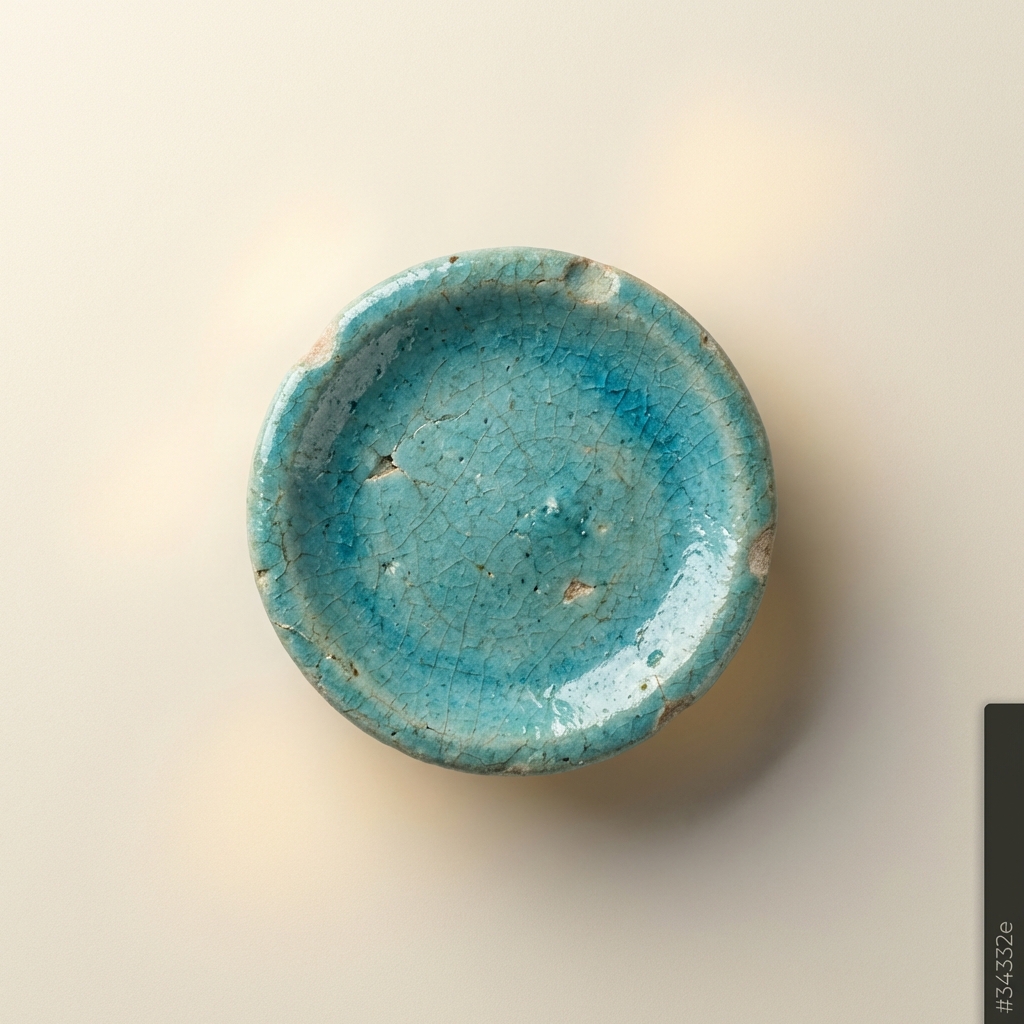
Step 1 is to define your purpose. If you seek authenticity, prioritise materials and colours consistent with documented practice; for daily wear, choose durable metals and protected finishes; for a statement piece, consider enamel or deliberate blackening for contrast.
Step 2 is to match material to purpose and care needs. Different substrates require different maintenance routines and storage; faience-like glazes, metals and enamel all have distinct recommendations that affect how colour will age and how robust it will be in everyday use Conservation guidance on care for metal and glazed objects.
See detailed photos and provenance with @auroraantiqua
Before deciding on colour, check condition notes, restoration notes and provenance to confirm whether the tone shown reflects original material or later treatment.
Step 3 is to verify documentation and condition. Always ask for provenance statements, restoration histories and detailed photos before assuming a pictured hue indicates original material or symbolic intent; these records help you judge whether a chosen colour aligns with your collecting goals. For example, consult the Celestia product listing for how condition photos are presented the Celestia.
Sizing, finishes and modern adaptations that affect colour
Gold-plating and vermeil offer the warm tones of gold at lower weight and cost, but their thin layers can wear to reveal the base metal beneath, so colour and tone will change with wear and require different expectations than solid gold pieces Metropolitan Museum of Art resource on materials.
Intentional oxidation or blackening creates a dark aesthetic that mimics some ancient darkened surfaces but behaves differently than age-formed patina; these finishes can be refreshed or altered by routine wear and by cleaning choices.
Enamel and modern colour choices are design decisions that can reproduce historical palettes such as faience blue or provide contemporary contrast; enamel is durable but can chip, and its colour stability depends on how it was applied and fired.
Caring for different ankh materials: basic conservation guidance
Storage and handling by substrate
Storage and handling should be substrate-specific: glazed faience prefers stable humidity and padded storage to protect glazes; metals benefit from low-humidity storage and separate compartments to avoid abrasion and chemical interaction Conservation guidance on care for metal and glazed objects.
Cleaning do's and don'ts
Do not use aggressive abrasive cleaners on glazed or encrusted surfaces; for metals, avoid polishing that removes patina or plating unless a conservator advises it. Follow the material-specific guidance and, when in doubt, consult a conservator before applying treatments.
simple pre-purchase care checklist for ankh materials
Use with seller photos
When an item has documented restoration, read the restoration notes carefully; they should specify materials used and the date of treatment so you can choose cleaning methods that will not undo or damage prior conservation.
Interpreting colour on ancient pieces: patina, loss and restoration
Signs that a visible colour is original include consistent glaze thickness, edge wear that matches the overall surface, and documentation that specifies original materials; such assessments are best made with close photos and with condition notes supplied by the seller or catalogue Metropolitan Museum of Art resource on materials.
Restoration can reintroduce or alter surface colour through retouching, re-gilding or application of consolidants; restoration notes should describe what was done and which materials were used so you can judge whether the present colour is an original patina or a later intervention Encyclopaedia Britannica.
Provenance and collection history often provide context for why an object has a particular surface appearance: long museum storage, past conservation campaigns or earlier ownership practices can change colour through cleaning or environmental exposure.
Common mistakes buyers make when judging an ankh's colour
A frequent error is to assume that a pictured colour automatically confirms a symbolic meaning; scholarship and museum notes show that colour is often material-driven and variable across time and region, so avoid reading symbolic intent without contextual documentation Encyclopaedia Britannica.
Another mistake is mistaking modern plating, enamel or intentional darkening for historic materials. Modern finishes can convincingly mimic ancient palettes but have different durability, care requirements and likely different origins.
Overlooking condition, restoration and provenance notes is a repeated source of buyer disappointment; these documents are essential to understand whether a visible colour is original, restored or modern.
Practical scenarios: choosing a colour for different buyer goals
Collector seeking historical authenticity: choose materials and colours that match documented historic practice, such as faience-style blue-green for pieces that claim faience manufacture or warm yellow tones for items described as gold or electrum, and prioritise provenance and condition notes to verify claims Encyclopaedia Britannica.
Buyer who wants daily-wear wearable history: prioritise durable metals and protected finishes; oxidised silver or plated pieces with clear restoration notes can be practical choices if you accept that their appearance and colour will change with wear Conservation guidance on care for metal and glazed objects. Consider checking similar items in the ancient Roman rings collection ancient Roman rings for examples of durable historic pieces.
Someone choosing an ankh as a statement accessory: enamel, high-contrast finishes or intentional blackening achieve visual impact but carry specific care needs; ask about the substrate and whether the finish is modern so you know how the colour will behave.
How provenance and documentation affect reading of colour
Look for provenance elements that explain past storage and treatments: collection history, prior ownership notes and verification letters often reveal interventions that changed surface colour. Such details make it clearer whether a tone is original or the result of later work Metropolitan Museum of Art resource on materials.
Documentation that clarifies materials and treatment, such as conservator reports or restoration records, is especially valuable for colour questions because it can state whether glazes were retouched, whether plating was applied and when any interventions occurred Encyclopaedia Britannica.
If documentation is absent, be cautious about ascribing symbolic meaning to colour alone; lack of records should reduce confidence in interpretations that depend purely on hue.
Restoration, ethics and what changes colour after conservation
Restoration practices that alter surface colour include re-gilding, inpainting of glazes and the application of consolidants or coatings; restoration notes should describe materials, methods and dates so buyers understand what is original and what is restored Metropolitan Museum of Art resource on materials.
Ethical collecting values transparency: sellers and institutions should disclose visible interventions rather than presenting restored colour as original. Ask for conservator reports or written restoration notes if the colour seems unusually bright or uniform for an object of age.

When in doubt, ask targeted questions: when was the last conservation treatment, what materials were used, and is there photographic documentation from before and after treatment?
When in doubt, ask targeted questions: when was the last conservation treatment, what materials were used, and is there photographic documentation from before and after treatment?
When in doubt, ask targeted questions: when was the last conservation treatment, what materials were used, and is there photographic documentation from before and after treatment?
When in doubt, ask targeted questions: when was the last conservation treatment, what materials were used, and is there photographic documentation from before and after treatment?
When in doubt, ask targeted questions: when was the last conservation treatment, what materials were used, and is there photographic documentation from before and after treatment?
When in doubt, ask targeted questions: when was the last conservation treatment, what materials were used, and is there photographic documentation from before and after treatment?
When in doubt, ask targeted questions: when was the last conservation treatment, what materials were used, and is there photographic documentation from before and after treatment?
Conclusion: choosing colour with context, care and curiosity
Key takeaways
There is no single correct colour for an ankh. Material and technique determine visible hue, and colour meanings in Egyptology are nuanced and context-dependent. For any purchase, balance historical appropriateness, wearability and the clarity of documentation.
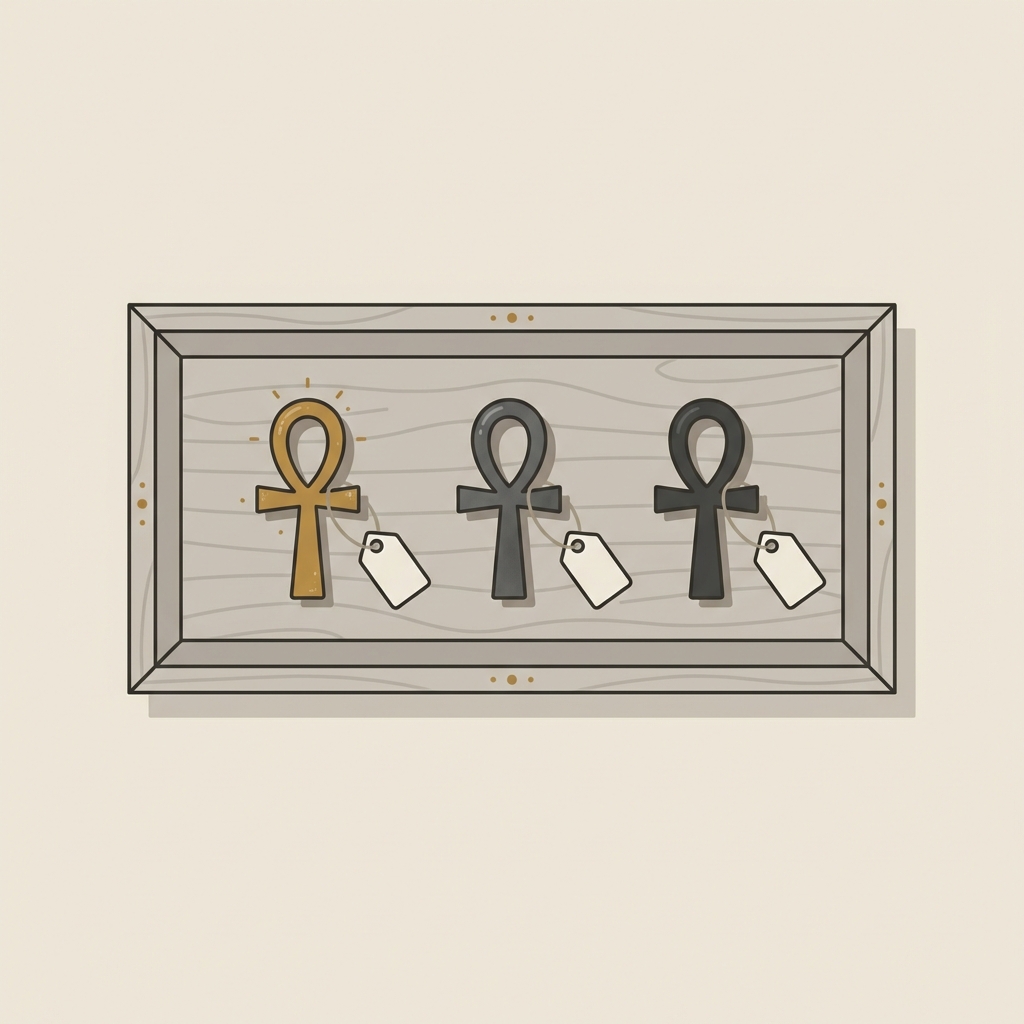
Next steps for buyers
Practical next steps are to request condition and restoration notes, confirm provenance where available, and follow substrate-specific conservation guidance before committing to a purchase. If you are considering a curated ancient ring, use detailed photos and written documentation to assess whether the shown colour aligns with your aims.
No. Colour often reflects the material or technique used, so symbolic attributions require contextual documentation such as provenance and condition notes.
Durable metals or protected finishes such as oxidised silver or plated pieces with clear restoration notes are usually more practical for daily wear.
Request close photos, condition reports and restoration notes; look for consistent glaze or patina and ask sellers for conservator documentation if available.
More from Aurora Antiqua
References
- Amulet of an Ankh, inv. no. 1894.103, Art Institute of Chicago
- Faience Technology. In: UCLA Encyclopedia of Egyptology (Paul T. Nicholson), University of California, Los
- Exploring the Composition of Egyptian Faience (Falcone, Aquilino, Stoppa), Minerals (MDPI)
- Frog Amulet, Cleveland Museum of Art
- Gemstones. In: UCLA Encyclopedia of Egyptology (James A. Harrell), University of California, Los Angeles
- Sustainable Conservation of Bronze, J. Paul Getty Museum and Getty Conservation Institute, Los Angeles
- Conserve O Gram 10/2: Caring For Silver And Copper Alloy Objects, National Park Service, US Department
- Protecting silver cultural heritage objects with atomic layer deposited, Heritage Science (Springer Nature)
- 16 CFR 23.4, Misuse of the word vermeil, Federal Trade Commission, eCFR
- Ankh, Wikipedia