


Looking for the real thing? Browse our Medieval ring collection, each piece one of one, individually authenticated, with documented provenance. For the background, see the guide to medieval jewelry.
Quick answer and why old viking jewelry still matters
Old viking jewelry most often appears in three broad forms: twisted-wire multi-strand arm-rings, flat cast or hammered slab bracelets, and solid bent-hoops, each with recognisable terminals and decorative cues that museums use for attribution. British Museum collection
Collectors and curious readers should pay attention to terminal forms, decoration and material because these features, when combined with find context, are the main signals specialists use to suggest date and origin. National Museum of Denmark overview
Follow @auroraantiqua for finds and restoration insights
This article includes practical ID steps and photo checks so you can compare market listings with museum comparanda and understand what documentation to request.
Later sections explain how to read twist patterns, spot casting seams and interpret restoration notes so you can make a cautious, evidence-based judgement when evaluating a listing.
Definition and context: What archaeologists mean by Viking bracelets or arm-rings

The market phrase old viking jewelry typically refers to arm-rings and bracelets attributed to the Viking Age, a broad archaeological horizon spanning several centuries and regions where Norse culture was prominent. In collections, curators usually separate items by construction and decoration rather than relying on a single label; this helps avoid overly broad claims about date and origin. British Museum collection
Archaeologists and finds-record projects record arm-rings from hoards, graves and settlement contexts, and each context carries different implications: hoards often reflect wealth and silver use, graves may show personal dress choices, and settlement finds can include everyday bronze bands. These contextual patterns inform cautious dating and interpretation. Torksey site report How 'Viking' is the Galloway Hoard
Because dating from market descriptions can be approximate, museum catalogues and recent site reports group examples by clear manufacturing features and motifs rather than a single chronological label; bring this mindset to any online listing you examine.
Core construction types: twisted-wire, slab bracelets and solid bent-hoops
Most specialists divide Viking arm-rings into three construction types: twisted-wire or multi-strand torc-style rings; cast or hammered slab bracelets which are broad flat bands; and solid bent-hoops formed from a single rod or band. These categories recur across museum catalogues and site reports and are useful first filters when you see a listing. British Museum collection
At a glance, twisted-wire examples show visible strands and a braided silhouette, slab bracelets present a flat or slightly curved surface often with punched decoration, and bent-hoops read as a simple, sometimes faceted band with hammering marks. Journal of Archaeological Science: Reports. Hoards of the Vikings
Viking bracelets typically appear as twisted-wire torc-style bands, flat slab bracelets or solid bent-hoops; authentic pieces show consistent manufacturing traces, terminals with period motifs, and contextual documentation-compare listings to museum catalogues and request clear restoration and provenance notes.
Use these three categories as a checklist when you first open a listing: which construction type matches the photos, and do terminal forms or decoration align with the claimed origin?
Twisted-wire arm-rings in detail: wire counts, terminals and signs of wear
Twisted-wire arm-rings are commonly made from two or more wires twisted together to form a torc-style band; the number of wires and the regularity of the twist are diagnostic features noted in museum entries and can support regional attributions. National Museum of Denmark overview
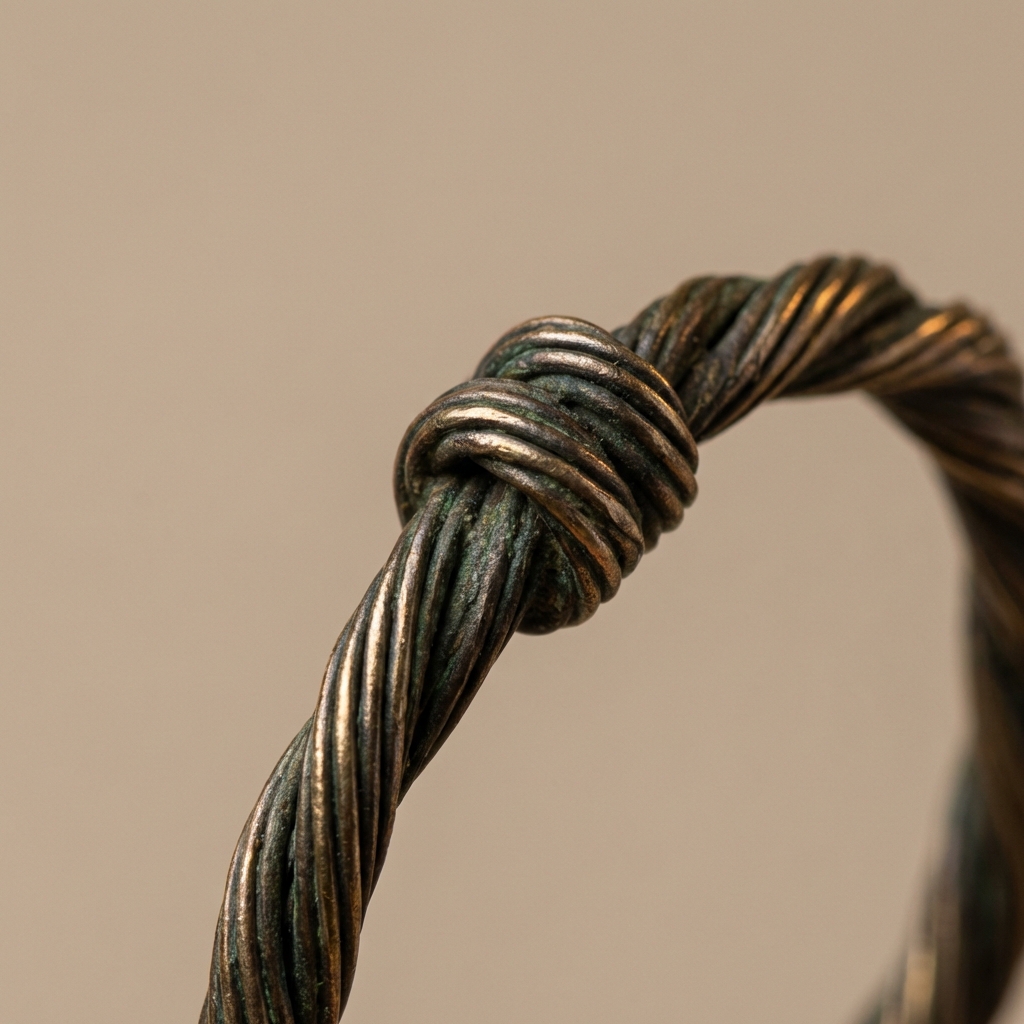
Terminals on twisted examples range from simple knobs to animal-style zoomorphs or flattened discs; terminals are often the most informative decorative element for specialists because they can reflect workshop traditions and chronological tendencies. British Museum collection
When inspecting photos, check the twist regularity and look for breakage patterns where the wire ends meet; originals commonly show consistent tool marks and patina that follow the twist, whereas many replicas reveal uneven twist spacing or modern tool traces. Journal of Archaeological Science: Reports
Cast or hammered slab bracelets: casting seams, punch decoration and flat bands
Slab bracelets, sometimes cast or formed by hammering a broad band, present a flat profile that preserves surface decoration well and often bears punched motifs, stamped interlace or simple bosses. British Museum collection

Key makers' traces include casting seams or sprue remnants on cast slabs and hammer faceting on hammered bands; request close-up photos of edges and the inner face to spot these features and confirm the claimed manufacture method. Journal of Archaeological Science: Reports See related items in our Ancient Roman rings collection.
Solid bent-hoops and simple bands: manufacture and typical contexts
Solid bent-hoops are formed from a single rod or narrow band and finished by hammering and bending; they can retain subtle hammer marks and a faceted profile where the hammer struck the metal. Portable Antiquities Scheme guidance
Plain bronze bands are commonly found in rural or everyday contexts and need not be ornately decorated to be archaeologically informative; patina, wear distribution and context remain important clues even for simple pieces. Torksey site report
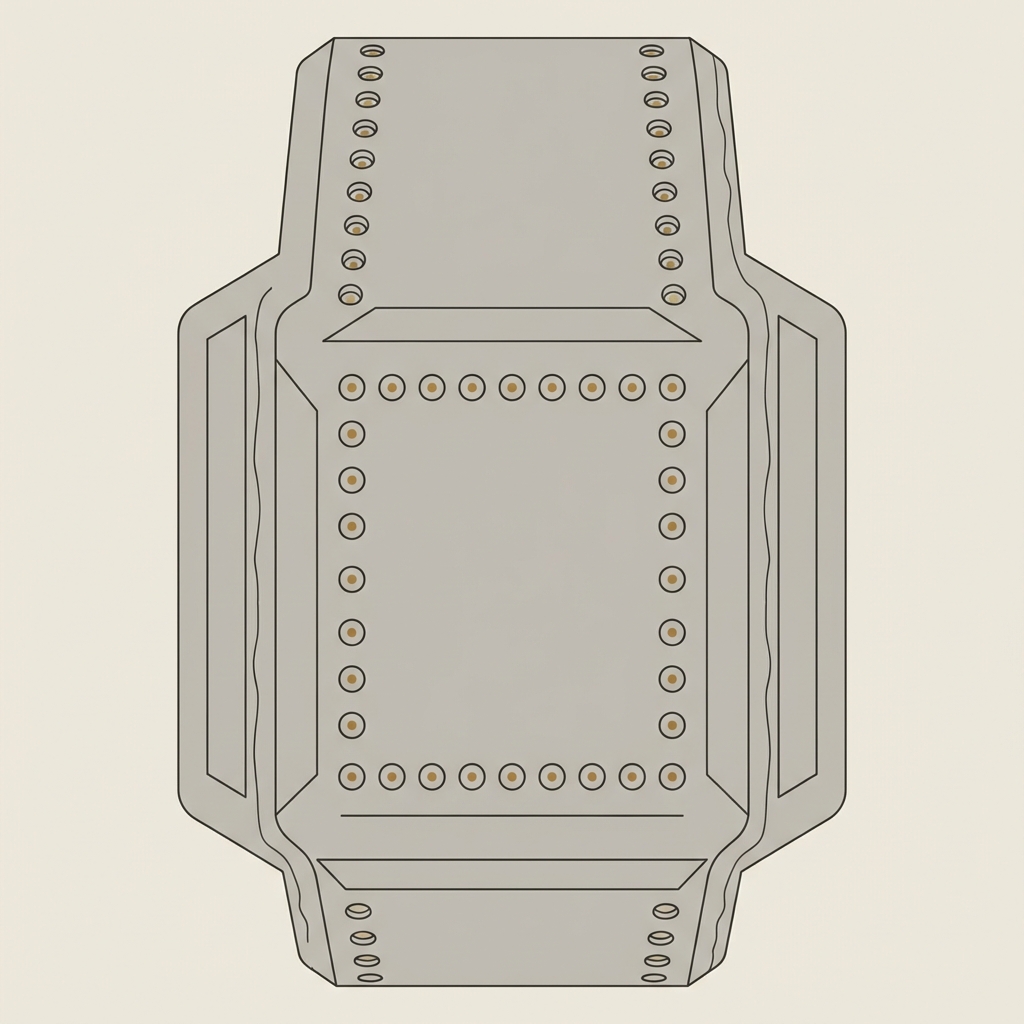
Materials, decoration and terminals: visual cues for dating and regional attribution
Metals commonly used for arm-rings include bronze, silver and occasionally gilded silver; hoard and high-status contexts tend to contain more silver and gilded pieces, while plain bronze is more frequent in rural finds. Portable Antiquities Scheme guidance
Decoration types to look for include animal-style zoomorphs, interlace patterns and punched dots, with occasional runic marks on terminals; these motifs, combined with metal choice, are part of how curators suggest regional and chronological links. National Museum of Denmark overview
compare a candidate arm-ring to museum and finds database images
use high-resolution images of terminals
Interpret decoration together with manufacturing traces because motifs alone rarely provide a definitive date without provenance or stratigraphic context. Torksey site report
Dating and regional variation: what changes through the Viking Age
Broad chronological trends show that later Viking Age pieces often display more elaborate animal-style ornament and greater use of precious metal in elite contexts, whereas earlier or peripheral examples can be plainer and made of bronze. Torksey site report
Regional differences also matter: variations in terminal forms and decorative repertoire across Scandinavia, the British Isles and Ireland are recorded in site catalogues and curator notes, but fine-grained workshop attributions remain an active area of research. British Museum collection
Practical identification checklist: what to inspect in photos and listings
Start by naming the construction type you see, then request detailed photos of terminals, inner faces and any suspected seams or solder lines; check for consistent twist spacing on wire examples and for sprue remnants on slab types. Journal of Archaeological Science: Reports
Assess metal visually but treat any material identification as provisional unless the seller provides test results; ask for scale photos and close-ups of tool marks, and ask how restoration was carried out if present. About us, International Association of Dealers in Ancient Art
Demand provenance or collection history and any verification letters available, and compare the listing to museum comparanda before bidding or buying; absence of documentation is a common reason to pause. Aurora Antiqua homepage
Condition, restoration and conservation notes: what restorations mean for identification
Common conservation work includes stabilising solder, mechanical consolidation and inpainting of loss; these treatments should be clearly described because they can obscure tool marks or hide evidence used for identification. Archaeological materials, Icon, The Institute of Conservation (UK)
Good restoration notes state precisely what was done and where; if a listing lacks these details, request clear images of treated areas and a conservator's report for higher-value pieces. About us, International Association of Dealers in Ancient Art
Typical mistakes and replica traps to avoid
Artificial patina and inconsistent tool marks are two common giveaways of recent manufacture; watch for surface patination that sits on top of casting seams or machine marks that are inconsistent with hand finishing. Journal of Archaeological Science: Reports
Be cautious with listings that use vague phrases like "looks old" without provenance, or that omit close-up photos of terminals and inner faces; these omissions often hide the most revealing inspection points. Research report: export licensing and provenance, GOV.UK, Department for Culture, Media and Sport (DCMS)
Practical comparanda and short case studies: reading museum examples against market listings
When you find a market listing, pull a museum catalogue image of the most similar construction type and compare terminals, decoration and manufacturing traces; museum captions and catalogue notes often point to diagnostic features to check. British Museum collection See examples at Liverpool Museums
Scenario one: a documented hoard piece with collection history, clear photos and measurable terminals is plausibly described and worth further independent assessment. Scenario two: a market-only piece with no provenance, cropped photos and modellers' tool marks should prompt caution and likely independent advice. Portable Antiquities Scheme guidance
A collector's checklist for buying old viking jewelry safely
Essential documentation includes provenience or collection history, any verification letters, clear restoration notes and high-resolution photos of terminals, inner faces and manufacturing traces; insist on these before committing to a purchase. Object ID, International Council of Museums
Ask sellers direct questions about where the piece was found, who owned it previously and what conservation was carried out; if answers are incomplete or evasive, consider seeking an independent expert opinion before proceeding. Portable Antiquities Scheme guidance
Conclusion: main takeaways and where to learn more
To summarise, old viking jewelry usually falls into twisted-wire, slab bracelet or bent-hoop categories; terminals, decoration and material together offer the best clues for dating and attribution, but provenance and restoration transparency are essential for confident assessment. British Museum collection
For further study, compare listings with museum catalogues and finds databases and prioritise pieces with clear documentation and detailed condition notes. These steps help collectors treat market pieces with appropriate caution while recognising objects with credible context. Portable Antiquities Scheme guidance See our highlights collection for related artifacts.
Look for consistent manufacturing traces such as regular twist patterns, casting seams or hammer faceting, clear terminals and a plausible provenance; request close-up photos and condition notes and compare with museum images.
Viking arm-rings occur in bronze, silver and sometimes gilded metal; hoards and elite contexts often contain more silver while bronze is common in routine or rural finds.
Treat non-provenanced pieces cautiously, request detailed restoration and condition notes, and consider independent assessment before a high-value purchase.
More from Aurora Antiqua
References
- Viking silver arm-rings discovered on the shores of Clew Bay, Co. Mayo, National Museum of Ireland
- The World’s Largest Viking Treasure, Historiska museet / Statens historiska museer, Stockholm
- Silver Arm-Ring (NLM-1B89B2) · Vikings in the East Midlands, Centre for the Study
- VIKING HOARD DECLARED TREASURE ON THE ISLE OF MAN, Manx National Heritage
- Hoard find from Vester Vedsted, Nationalmuseet / National Museum of Denmark
- About us, International Association of Dealers in Ancient Art
- Archaeological materials, Icon, The Institute of Conservation (UK)
- Research report: export licensing and provenance, GOV.UK, Department for Culture, Media and Sport (DCMS)
- Object ID, International Council of Museums
- Historical knowledge, National Museum of Denmark, Copenhagen