


Looking for the real thing? Browse genuine ancient rings for sale, each piece one of one, individually authenticated, with documented provenance. For the background, see the guide to ancient jewelry.
Why ask about the color of the Ouroboros?
The ouroboros is a long lived motif, a serpent consuming its own tail, whose meanings have shifted across Egyptian, Greek, and later traditions; understanding that history helps explain why a simple color word rarely tells the full story Encyclopaedia Britannica.
In object descriptions the adjective golden can mean different things: the piece may be solid gold, covered in a surface gilding, or show a corrosion surface that reads as golden in photographs. Technical and conservation guides emphasize that visual description alone cannot replace material analysis when the metal identity matters Getty Conservation Institute guidance.
Follow @auroraantiqua for provenance and restoration insights
The steps that follow are intended to help you evaluate a "gold" claim in a listing and decide when to ask for testing, provenance, or condition notes.
This article combines historical sources and conservation practice so you can move from a color label to a reasoned interpretation of an object that may be described as golden.
What is the ouroboros and why color matters
At its simplest the ouroboros is a serpent eating its tail, a compact visual metaphor for cyclical renewal and self containment that appears in Egyptian and later Mediterranean contexts, a point echoed across classical reference works Encyclopaedia Britannica.
Color terms enter cataloguing because they are shorthand for how an object looks, but they can conflate material, surface treatment, and age related patina. Curators typically qualify color descriptions with material notes when testing or conservation information is available The Metropolitan Museum of Art.
Origins and cultural spread: Egyptian roots to the Hellenistic world
Scholarly accounts trace the earliest known iterations of the ouroboros to Egyptian imagery, after which the motif was taken up and adapted in Greek and Hellenistic contexts; this long history means the symbol carried different associations as it moved between cultures Encyclopaedia Britannica.
Early uses in Egypt often had funerary or cosmological connotations, while in later Hellenistic art the same shape could be reinterpreted according to local religious and philosophical concerns.

Because meanings were layered as the motif moved across regions, a color that signaled divine or solar power in one context might have a more personal protective sense in another, which is why period and findspot matter for interpretation Necklace (ashän ketab) with amulet pendants (tälsäm), Cleveland Museum of Art.
Gold and the serpent: meanings in the ancient Mediterranean and Near East
Across museum scholarship gold and gold colored representations often signaled divine association, solar power, or high status in Mediterranean and Near Eastern art, so a golden serpent could intentionally evoke those ideas when placed on jewelry or a small object The Metropolitan Museum of Art.
At the same time, museum curators note that motifs travel with multiple possible readings; a gold serpent may combine solar or divine connotations with protective or eternal meanings depending on accompanying iconography and context Touch wood: luck, protection, power or pleasure? A wooden phallus from Vindolanda Roman fort, Antiquity.
gold ouroboros
When a listing uses the phrase gold ouroboros, read it as a starting point for questions about period intent, iconography, and material evidence rather than as a complete claim about meaning or metal.
When 'gold' is not gold: gilding, alloys, and patina
Objects that look gold today can achieve that appearance in several technical ways: they may be made of gold alloy, have a surface gilding applied in antiquity or later, or be copper alloy objects whose corrosion products or wear produce a golden tone; conservation literature treats these possibilities as routine explanations for a gold look Getty Conservation Institute guidance and reviews such as a ScienceDirect analysis of XRF studies ScienceDirect.

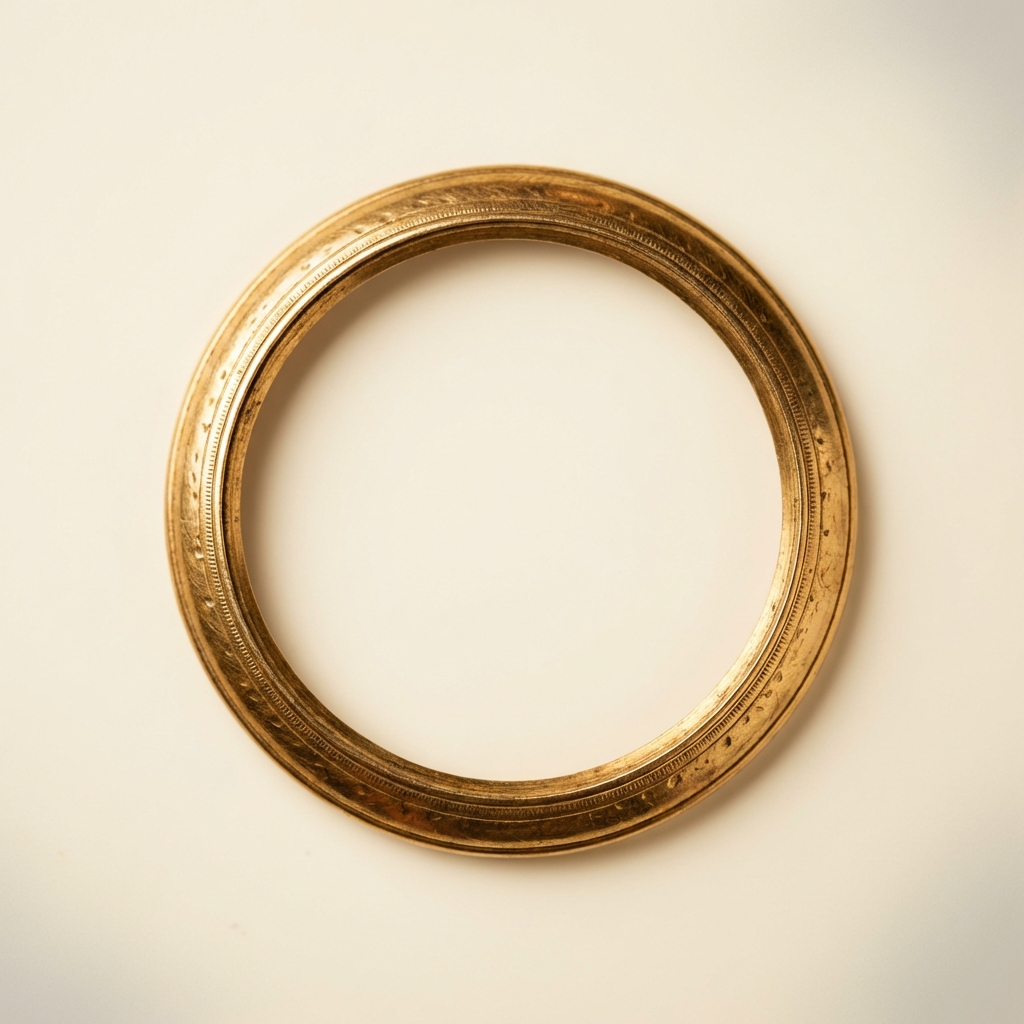
Later repairs and re gilding can change how a piece appears now compared with its original finish. Condition notes and restoration notes can indicate whether a golden surface is original, historic, or a later intervention, and that history changes both how you read the object and what questions to ask the seller.
Later reinterpretations: alchemy, Jung, and modern symbolic readings
In later Western traditions the ouroboros was re read through alchemy and Renaissance symbol books as a sign of transformational cycles and the unity of opposites, ideas that were later popularized in psychological readings by Jung and followers Psychology and Alchemy, classic edition.
Those modern layers are useful for contemporary readers but should be kept distinct from ancient cultural meanings when assessing an object; a modern symbolic interpretation does not replace the need for period based contextual reading.
How specialists verify a gold appearance: tests and reports
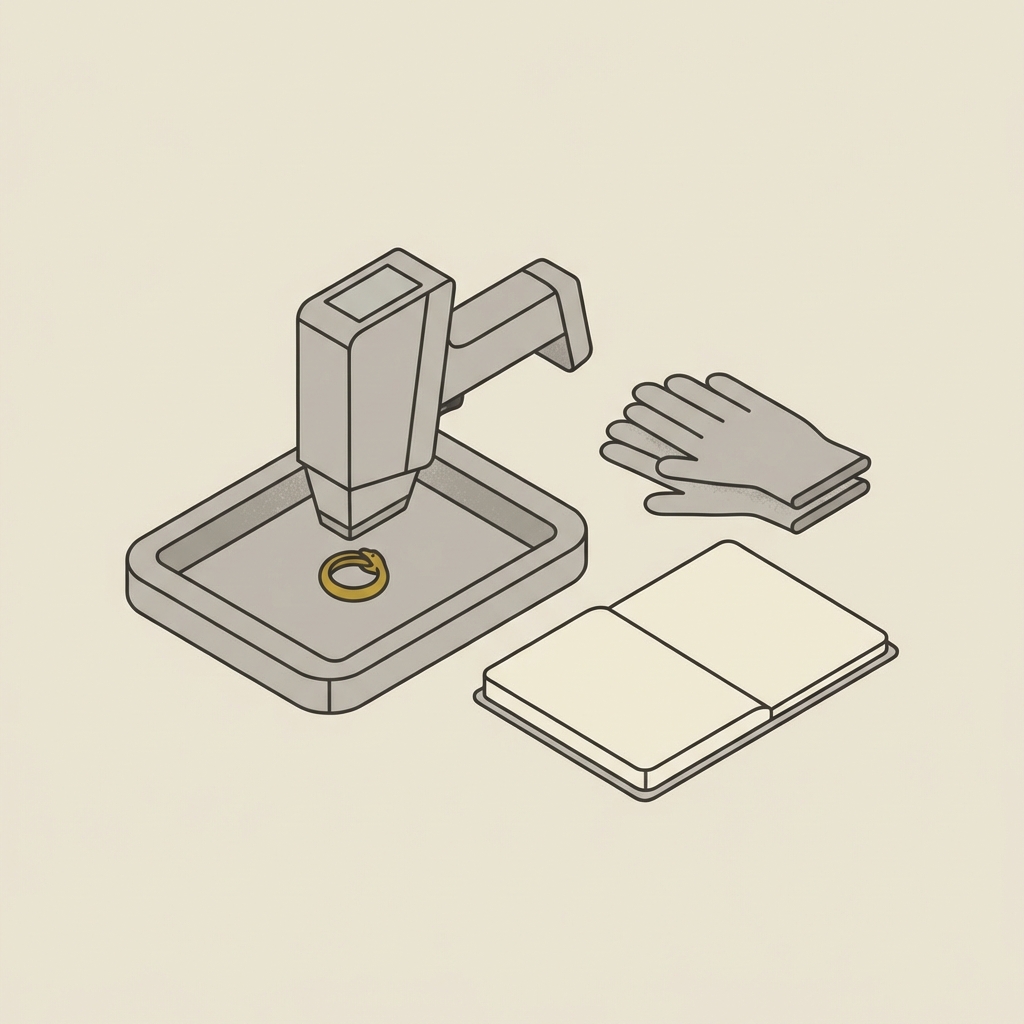
XRF can identify whether a surface contains measurable gold or whether the gold like surface is rich in copper or other elements consistent with alloys or corrosion. Microscopy documents layer structure, wear, and signs of later re gilding. Further case studies and methodological reviews are available in technical literature such as the characterisation study at PMC PMC article.
quick pre purchase test and report checklist
Ask for dated reports
When sellers provide testing reports, look for clear descriptions of sampling strategy, detection limits, and whether the instrument measured surface only or a cleaned or abraded area; those details influence how to read a positive gold signal.
A practical framework for interpreting a gold ouroboros
Start with context: period, findspot, and associated iconography; a gold reading gains interpretive weight when those elements consistently point to a specific cultural meaning Encyclopaedia Britannica.
Second, verify material claims: check condition notes, restoration notes, and ask for XRF or microscopy reports when metal identity matters. Third, synthesize the narrative: combine provenance, iconography, and material evidence before drawing a conclusion about what a golden appearance likely signified.
Decision criteria when considering an ancient gold ouroboros
Concrete decision points help you prioritize follow up. The most important are whether independent testing exists, the clarity of provenance and documentation, and the presence of explicit restoration or conservation notes; if testing is missing, treat an unqualified golden label with caution Getty Conservation Institute guidance.
Short checklist to use when evaluating a listing:
- Is there an XRF or lab report?
- Are condition notes and restoration notes provided?
- Is provenance or collection history documented?
- Are high quality images and measurements available?
Prioritize these points differently depending on intent. If you want wearable history and are comfortable with surface treatment notes, clear images and condition notes may suffice. If material authenticity is essential, require testing and independent documentation.
Common mistakes, misreads, and red flags
A common mistake is to accept color words such as golden or gilded without looking for documentation; descriptive language in listings can be inconsistent across sellers and catalogues, and that inconsistency can mislead buyers Getty Conservation Institute guidance.
Red flags include missing condition notes, vague or anonymous provenance, inconsistent image lighting or cropping, and unexplained restoration. If these appear, request test results, additional photographs, or a conservator report before proceeding Encyclopaedia Britannica.
Three scenarios: how to read a gold ouroboros in practice
Scenario 1: A listing calls the ring golden but provides no tests and only a short provenance line. Recommended action: ask for high resolution images, condition notes, and XRF or a conservator statement before accepting the gold claim Getty Conservation Institute guidance.
Scenario 2: A pendant is described as gilded, with clear conservation notes and a short collection history. Recommended action: review the restoration notes to see whether gilding is ancient or modern, and see if images show layer structure consistent with historic gilding The Metropolitan Museum of Art.
Scenario 3: The ring has an XRF report showing surface gold and a conservator summary. Recommended action: read the report details carefully, confirm whether the measurement was surface only, and consider corroborating documentation such as collection history to place the finding in context Getty Conservation Institute guidance.
Museum and catalog examples: what scholarship shows
Major curatorial overviews show two consistent points: first, gold served material and symbolic roles in antiquity; second, professional catalogues tie color descriptions to material notes and conservation information rather than leaving color unqualified The Metropolitan Museum of Art.
The British Museum and other institutions illustrate cataloguing practices that combine provenance statements, curated condition notes, and explicit material testing where available, reinforcing that color is informative but rarely decisive without further evidence ring, Victoria and Albert Museum, London.
How Aurora Antiqua frames 'gold' in listings and documentation
Aurora Antiqua presents curated ancient rings spanning Roman, Greek, Byzantine, Islamic, Celtic, medieval, and post medieval periods with condition notes and restoration and preservation notes when relevant. Listings aim to help buyers understand era, motif, and documented repairs rather than to assert blanket material guarantees. See our Ancient Roman Rings for examples.
Where material claims matter, the shop includes provenance and documentation references when available and flags when testing has not been done. This approach is meant to support reasoned interpretation and buyer questions without promising absolute certainty. Browse our rings collection for related items.
Reading the color: key takeaways and next steps for collectors
Color is a useful cue but not a final answer. Treat golden appearance as one variable among period, iconography, provenance, and technical evidence. When in doubt, request condition notes, restoration notes, testing reports, and clearer images before accepting a golden label as material fact Getty Conservation Institute guidance.
Checklist of immediate next steps: review condition notes, ask for XRF or microscopy if metal matters, verify provenance statements, and consult specialist literature or a conservator for ambiguous cases. Reading listings with conditional language will help you move from color label to a documented interpretation. If you have specific questions, consult our questions and answers.
Ask for non destructive testing such as XRF and for conservator microscopy images; compare those reports with condition and restoration notes to understand whether the gold is surface only or bulk.
Not always. Gold color often signals divinity or solar power in many cultures, but meaning depends on period, findspot, and accompanying iconography.
Request high quality images, condition and restoration notes, any provenance documentation, and non destructive test results if material identity is important.
More from Aurora Antiqua
References
- Talismans, Visitatori salutem, Szepmuveszeti Muzeum, Museum of Fine Arts Budapest
- Touch wood: luck, protection, power or pleasure? A wooden phallus from Vindolanda Roman fort, Antiquity
- Necklace (ashän ketab) with amulet pendants (tälsäm), Cleveland Museum of Art
- Runer og runemagi, vikingernes skriftsprog, Nationalmuseet, Copenhagen
- ring, Victoria and Albert Museum, London
- Eye of Horus (Wedjat) Amulet, Egypt, Ptolemaic Period, Art Institute of Chicago
- Amulette grecque trouvée en Syrie, Persée, Revue des Etudes Grecques