


Looking for the real thing? Browse our full ring collection, each piece one of one, individually authenticated, with documented provenance. For the background, see the guide to ancient jewelry.
What is an ancient coin ring? Definition and context
Terms to know: ancient coin ring, bezel, intaglio, provenance
An ancient coin ring is best understood as a coin or coin-like mount set into a ring hoop that functioned as jewelry, an amulet or a small display object across Roman, Byzantine and later contexts. Curatorial overviews treat these objects as both personal adornment and wearable cultural material, with specialists noting the same ring can be recorded as jewelry, talisman or a mounted coin depending on context Metropolitan Museum of Art timeline of rings.
These rings often feature a bezel that holds a coin, intaglio or gem and a band shaped to fit a finger; the bezel diameter and the band profile are central to how the ring is worn and which finger it suits. Descriptions in museum catalogues and shop condition notes typically call out bezel size, intaglio detail and provenance so readers and buyers can connect physical form to likely use.
Historically the same type of mount appears from antiquity into early modern periods, with examples and cataloguing that link Roman practice to Byzantine and Ottoman personal adornment. Overviews of Islamic world jewelry and museum catalogues show coin use in personal adornment continued into later periods, which is why the phrase coin ring traditions spans several regions and centuries Metropolitan Museum overview of Islamic jewellery.

Quick answer: which finger do you wear an ancient coin ring on?
Short rule of thumb, practical first: there is no single mandatory finger for an ancient coin ring. Choices historically depended on the ring’s function, bezel diameter and local custom, and today comfort and visibility should guide modern wearers.
If you want a quick practical default, try bezel-forward placement on the index or middle finger when the bezel is large and display matters, and consider the little finger for signet-like or seal-style mounts when historical placement is a priority. Museum and conservation notes show large bezels are often supported and made visible on the index or middle finger, while signet-style pieces commonly appear on the little finger in Western contexts American Numismatic Society notes on coins as jewellery.
See real-time catalogue insights on Instagram
Read the checklist below for measurements, condition questions and a simple try-on method to test fit before purchase.
When choosing between following historical placement and prioritizing comfort, balance matters: follow documented historical placement when the object’s provenance or catalogue entry highlights a traditional use, but do not force a fragile mount onto a finger that causes stress or discomfort.
How museums and catalogues describe finger placement and function
Museum catalogues and collection labels frequently treat coin rings as multifunctional objects and aim to capture the most likely use in a short description: jewelry, amulet, mounted coin or signet. The way a ring is catalogued often shapes how curators and sellers describe finger placement to readers and potential buyers Metropolitan Museum of Art timeline of rings.
Cataloguing language varies by institution but shared practice includes noting bezel size, iconography and any visible repairs or restorations that affect wear. The Victoria and Albert Museum and British Museum collection entries provide examples of how descriptive text ties physical features to likely use and, by extension, to likely finger preference in historical contexts Victoria and Albert Museum article on rings.
Regional summaries in major institutions emphasize different traditions: Western European signet-style wearers often chose the little finger for sealing and social signalling, while catalogues describing larger display mounts describe index and middle finger wear for visibility. This range in catalogue practice explains why there is no one preserved rule and why object-by-object description is important British Museum overview of rings.
Finger choice by function: signet, amulet or display
Signet and seal-like wear (pinky focus)
When a coin ring functions like a signet or seal-style object the little finger was commonly used in Western European practice because it keeps the seal element to the side of the hand for sealing and for social signalling, a pattern visible in many museum descriptions of signet rings and seal rings. See a British Museum example British Museum object.
These signet-style placements appear in museum and curatorial literature as a repeated association, though the relationship is conditioned by local custom and the specific ring form; therefore the little finger as a typical choice is a guideline rather than an absolute rule Victoria and Albert Museum article on rings.
Select the finger based on the ring’s documented function, bezel size and your comfort; use catalogue condition and restoration notes and try bezel-forward placement on index or middle when visibility matters, or the little finger for signet-like pieces when historically appropriate.
Amuletic or visibility-focused wear (index and middle)
When visibility, display or amuletic use was the priority, large-bezel mounts are often documented on the index or middle finger because those fingers can better support a broad bezel and make motifs visible in social contexts; conservators and specialists commonly note that bezel diameter and balance matter for that reason American Numismatic Society notes on coins as jewellery. For a detailed catalogue of ancient gems and finger rings see the Getty publication Ancient gems and finger rings - Getty.
For modern wearers this means if a coin or intaglio needs to be seen or touched frequently, plan for the index or middle finger and check how the bezel sits relative to the hand when trying the piece on.
Finger choice by function continued: practical decision framework
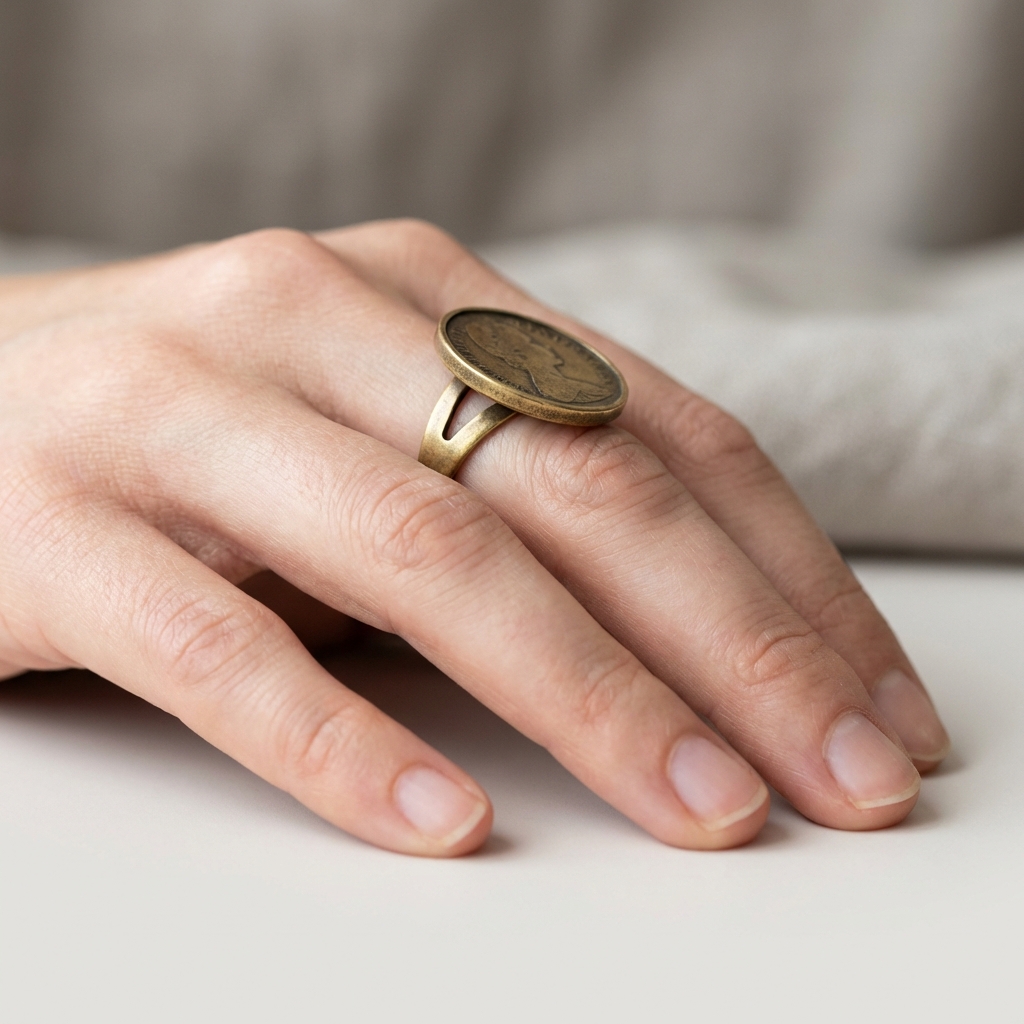
Function-based guidance can be turned into a simple decision: if the object reads like a signet and you want historically informed placement, test the little finger for comfort; if the object reads as display or amulet, start with the index or middle finger for stability and visibility. This framework follows how museums describe likely use and how conservators assess wearability.
Because cataloguing and seller notes vary, use the ring’s documentation to decide whether symbolic placement or daily comfort should drive your choice, and never assume one historic rule applies to all coin mounts British Museum overview of rings.
Practical fit and conservation factors that affect finger choice
Bezel diameter, overall weight and band width directly influence which finger will carry a mounted coin ring without discomfort. Conservators and seller condition notes emphasize that a wide bezel shifts weight outward and can make a ring feel unstable on narrow fingers, while a balanced bezel sits more comfortably on the index or middle finger where the supporting finger base is broader American Numismatic Society notes on coins as jewellery.
Band profile and any internal shaping or prior repairs also affect fit. Restoration notes can reveal when a band was reformed or when a bezel was reinforced, and those interventions change how the ring will behave on a finger; catalogues and specialist sellers commonly include this information to help buyers assess likely fit and long term wearability. See museum registration marking guidance for related collection practice museum registration marking guidance. Ancient Roman Rings collection
Wearer anatomy matters too: knuckle profile, finger taper and personal comfort determine whether a bezel sits forward on the finger or wanders toward the knuckle, so physical try-ons or accurate internal circumference measurements are essential before committing to a purchase.
A buyer’s checklist: choosing the right finger for an ancient coin ring
Measure first. Ask the seller for internal band circumference or a clear ring size and the bezel diameter so you can compare those numbers to a finger measurement or a ring you already own. Good listings will supply these numbers in condition notes and measurement fields Auriga listing with measurements and condition notes.
simulate fit and check bezel placement before buying
use a temporary sleeve or tape to test fit
Try bezel-forward positioning during a fitting: position the bezel so the motif faces outward along the back of the hand and test stability by moving the wrist and gently flexing fingers. If the bezel tilts toward the knuckle or the ring spins, try a different finger or request a sizing sleeve simulation from the seller.
Questions to ask sellers include: Does the listing include restoration notes or signs of repair? Has the band been reformed or soldered? What does the provenance or collection history indicate about previous use and wear patterns? Sellers who provide transparent provenance and restoration notes help buyers align historical placement with practical fit Auriga listing documentation.
Typical mistakes and buyer pitfalls when wearing or choosing a coin ring
A common mistake is assuming a single historic rule applies to every coin ring. Regional customs and the ring’s intended function vary widely, so using one rule across all types risks poor fit and misinterpretation of the object’s historic purpose British Museum overview of rings.
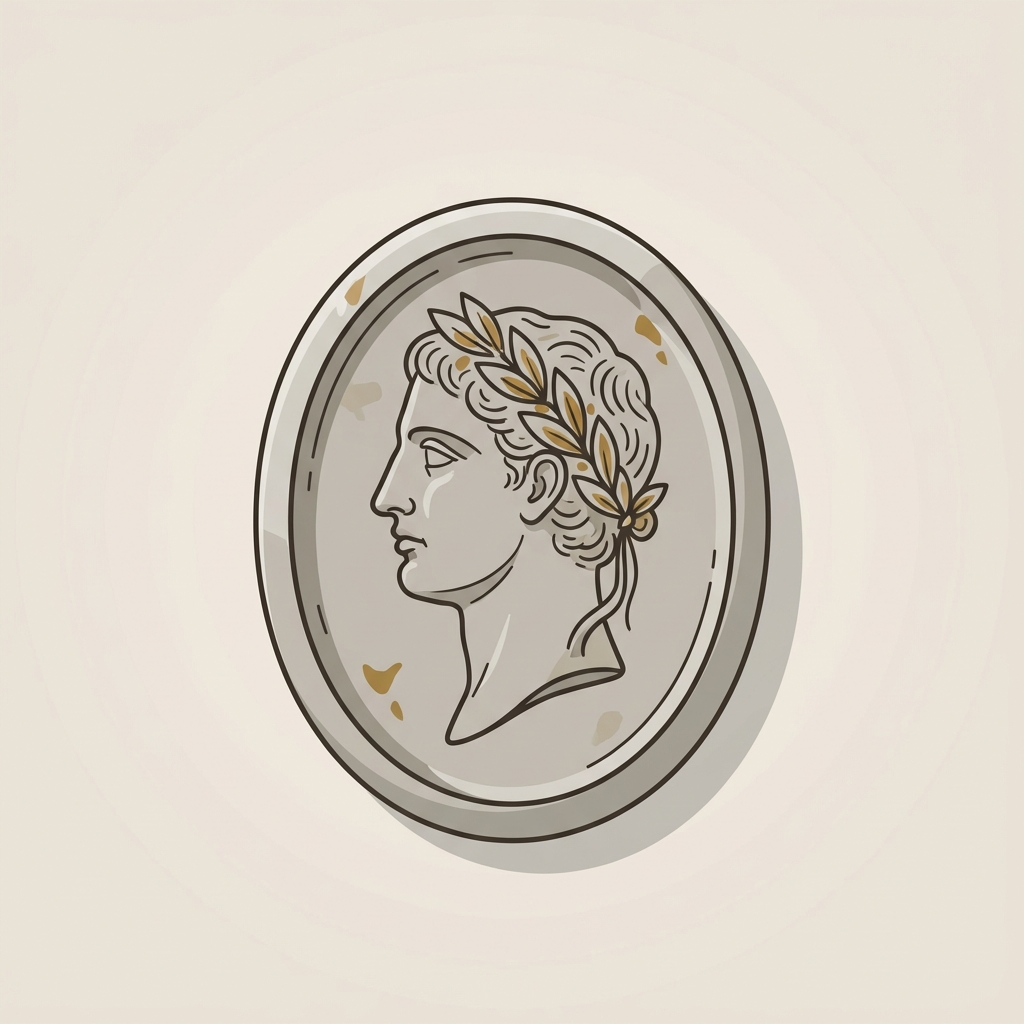
Another frequent pitfall is overlooking restoration and condition details. Repairs can alter balance or internal circumference and therefore change which finger will work; buyers who ignore restoration notes may force a ring onto a finger that causes stress to a fragile mount or to a repaired hoop Auriga listing restoration notes.
Finally, forcing a ring onto an uncomfortable finger or attempting repeated resizing without specialist input can damage historic metal and patina; conservators and experienced sellers advise testing fit and using reversible, minimal interventions when adjustment is needed American Numismatic Society notes on coins as jewellery.
Practical examples and scenarios: matching finger to ring type
Roman silver intaglio rings, like the 'Auriga' in curated listings, are useful examples because they combine a modest bezel with a recorded size and condition statement, allowing buyers to test likely finger choices against documented measurements and restoration notes Auriga Roman silver intaglio listing.

For that type of Roman intaglio, many buyers find the index or middle finger suits bezel visibility without overbalancing the ring; alternatively a comfortable little finger placement can be historically appropriate for signet-style wear if the band form and size allow it.
Byzantine or Ottoman large coin mounts often have a broad bezel that benefits from index or middle finger support for stability and display. Conservators note that the larger the bezel the more important it is to match the ring to a finger with a stable base, and buyers should simulate fit before purchase to avoid stress on fragile mounts American Numismatic Society notes on coins as jewellery.
How a curated seller presents an ancient coin ring: what to look for in listings
Responsible curated listings include condition notes, restoration notes and measurements, and they state any provenance or collection history when available. This information helps buyers understand whether a ring is more likely to be a signet, an amulet or a display piece, and therefore which finger it was likely worn on or will suit now Auriga listing details.
Aurora Antiqua’s role is to curate and present context, condition and provenance language so buyers can make informed choices without assuming certainty about authenticity or future value. Catalogue notes that explain what was stabilised, repaired or left untouched are particularly useful when deciding whether to prioritize historical placement or comfort.
When reading provenance language look for collection history, prior ownership notes and any verification letters; these elements do not provide absolute proof of origin but they do help align expectations about likely wear and original function, which in turn informs finger choice.
Conclusion: balancing history, comfort and responsible buying
Key takeaways: there is no single historic rule for which finger to wear a money ring on. Choose by function, bezel size and comfort while using condition and provenance notes to make a historically informed choice that does not damage the object Metropolitan Museum of Art timeline of rings.
Next steps for buyers include requesting clear measurements and restoration notes, trying bezel-forward placement on the index or middle finger when visibility matters, and testing little finger placement when a signet-style historical placement is cited in the catalogue. Use the checklist above and the try-on tool suggestion to simulate fit before committing to a purchase.
No. Finger choice depends on historical function, bezel size, band profile and personal comfort, so use documentation and a try-on to decide.
Follow historical placement when documentation clearly links a ring to a traditional use, but prioritise comfort and conservation when the band or mount is fragile.
Request the band internal circumference or ring size, bezel diameter, clear photos of the profile and any restoration or condition notes.
More from Aurora Antiqua
References
- Pliny the Elder, The Natural History, BOOK XXXIII, Perseus Digital Library, Tufts University (edition Bostock)
- Aulus Gellius, Attic Nights, Book X, LacusCurtius, Bill Thayer, University of Chicago (Loeb Classical Library edition)
- The Form of Solemnization of Matrimony, The Church of England
- Thumb Ring, The Cleveland Museum of Art
- Ring, The Cleveland Museum of Art
- BS EN ISO 8653:2026, TC, BSI, British Standards Institution
- Evaluation of a two rubber band technique for finger ring removal, PMC, Annals of the Royal College of Surgeons
- How to Care For Your Jewellery: The Ultimate Guide by the National Association
- E.C.C.O. Professional Guidelines (II): Code of Ethics, European Confederation of Conservator-Restorers'
- Ancient Gems and Finger Rings: Catalogue of the Collections, The Getty