


Looking for the real thing? Browse authenticated Ancient Roman rings, each piece one of one, individually authenticated, with documented provenance. For the background, see the guide to Roman jewelry.
What we mean by ancient Roman jewelry: definition and scope
When we write about ancient Roman jewelry in this article we mean small wearable artifacts most commonly encountered by collectors, especially ancient ring types and small fittings such as hoops and bezels. An ancient ring in this context is an artifact produced in the Roman world that was intended to be worn on the finger and that has survived with identifiable form and features, such as a hoop, shoulders and bezel, or an intaglio set into a mount.
The scope here is deliberately narrow: the focus is on material choices gold, silver, electrum and copper-alloys, their social and regional uses, and how a modern buyer can assess metal and documentation. We do not attempt a broad survey of Roman decorative arts or architectural metalwork, and period statements are presented as estimates that require object-level documentation and testing.
Terminology follows the brand glossary used by curators and sellers: we use the phrases ancient ring for wearable rings found in collections, artifact for small objects, provenance to describe collection history, and restoration notes for recorded conservation work. These terms help set expectations when you read a listing or request condition details.
The metal hierarchy in ancient Roman jewellery: gold, silver, electrum, and copper-alloys
Across Roman-period contexts there is a recognizable hierarchy of metals that influenced who wore what and why. In many cases high-karat gold appears in elite display contexts, silver shows up in both elite and middling urban ownership, electrum occurs more intermittently in earlier or eastern contexts, and copper-alloys such as bronze or brass are widespread for everyday use. This general pattern helps explain why some rings are in gold while many more are bronze or silver.
Archaeological and museum assemblages show these patterns at scale and in context, with gold concentrated notably in certain late Republican and early Imperial burials and hoards, while silver appears frequently in personal rings and intaglios across the Imperial period, supporting the idea of a metal hierarchy shaped by status and use Metropolitan Museum of Art overview.
@auroraantiqua behind the scenes and curated finds
Browse curated examples with provenance and condition notes to see how different metals are presented in listings and what documentation sellers typically include.
ancient roman jewelry
Why this matters to collectors is practical: if a listing describes a gold signet ring from a late Republican context, that claim ties into known patterns of elite display; if a listing describes a silver intaglio from an Imperial urban findspot, that too aligns with broader finds. Still, individual items require object-level evidence before strong conclusions are drawn.
Electrum is a useful caution: it appears in the archaeological record more commonly in earlier Hellenistic contexts and in some eastern provinces, so seeing electrum mentioned in a listing should prompt questions about region and dating rather than being taken as a generic Roman luxury material.
Scientific compositional studies of Roman-period gold and silver show frequent alloying and recycling, so measured purity is often a record of reworking and circulation rather than a simple measure of original casting or source purity. Modern portable and laboratory analyses reveal trace-element patterns and alloy compositions that point to repeated melting and mixing of older metal stocks. (handheld XRF study)
That evidence matters for buyers because a lower measured karat does not automatically indicate modern forgery; it can reflect ancient recycling practices and regional metallurgical habits. Understanding this helps set realistic expectations when a seller shares XRF or assay results Investigating Ancient “Bronzes”, J. Paul Getty Museum and Getty Conservation Institute, Los Angeles.
describe portable XRF and how to request results in a sale
Ask for basic readout and units
Portable XRF is now a standard, non-destructive first step for material identification and is commonly used to screen gold and silver artifacts before more invasive testing. Sellers and buyers can often agree to share portable XRF readouts as part of due diligence, noting that XRF reports show surface composition and may be influenced by corrosion or conservation layers. (see a detailed study here)
Practical ID cues for buyers: visual signs, weight, patina and when to test
Experienced cataloguers start with visual cues: colour differences, surface patina and how wear patterns match expected use. High-karat gold typically retains a warm yellow tone and a certain heft, while silver tends to have a paler sheen and may show oxidation or darkening in crevices. Bronze and other copper-alloys develop characteristic green or brown patinas and surface encrustations that reflect long burial environments.
Photographs and short videos can help, but they are not definitive; lighting, post-processing and cleaning alter colour and misleadingly reduce visible patina. Where photos are ambiguous, ask the seller for specific close-ups of the bezel, shoulders and interior hoop and for unedited images under neutral light.
Romans wore both, following a social and functional metal hierarchy: high-karat gold often appears in elite display contexts, silver is common in personal jewelry across the Imperial period, electrum is regionally conditional, and copper-alloys are the most common in everyday items; object-level documentation and non-destructive testing are needed for confident identification.
When visual inspection leaves doubt, request non-destructive testing results. Portable XRF provides elemental readouts that can distinguish gold versus silver versus copper-alloy surfaces, and XRF data is a practical next step before considering more complex analyses. If a seller cannot provide XRF results, their inability to do so does not automatically disqualify a piece, but it increases the uncertainty a buyer must accept when deciding. (see characterization study here)
Other helpful cues include weight relative to expected dimensions and clear condition notes describing any repairs. Hallmarks are rare for early Roman items, so rely more on patina, structure and documentation than on marks that might be later additions or modern repairs.
Buyer due diligence and documentation: provenance, condition notes and scientific checks
Good provenance information includes collection history, prior ownership notes and verification letters, and these elements meaningfully reduce uncertainty about an item's past. A clear provenance does not prove every detail of origin, but it creates a traceable chain that can be cross-referenced with collection catalogues and prior sales records.

Condition and restoration notes should state precisely what was stabilised, what was repaired and what was left untouched. Transparent condition descriptions allow buyers to weigh aesthetic preferences against structural soundness, for example whether a hoop was rejoined or a missing bezel element was left unfilled.
Combine clear provenance and restoration notes with non-destructive testing when possible. Portable XRF readouts, when provided, function as an evidence point that complements the documentary trail and condition statements. Requesting these items is a reasonable part of due diligence and aligns with reporting practices used by find reporting schemes and institutional catalogues Portable Antiquities Scheme resources.
Common mistakes and pitfalls when identifying Roman metals
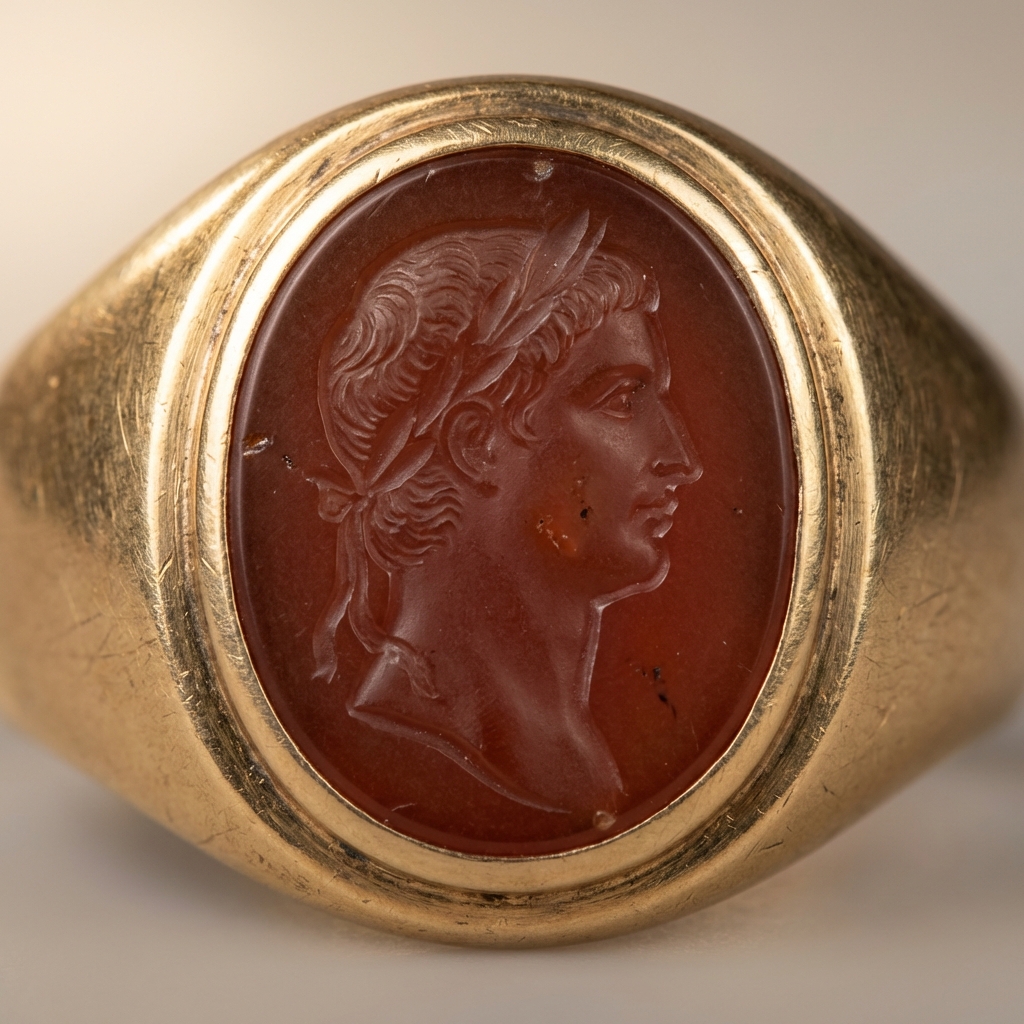
One frequent error is over-relying on colour in photographs. Different cameras, white balance settings and image edits create colours that do not match the object in hand. A ring that looks yellow in a cropped studio shot may be paler or heavily cleaned when viewed in full-resolution unedited photos.
Another pitfall is misreading modern conservation for ancient surface treatment. Polishing, stabilisation or modern patina simulations can mask original surfaces, and a listing that does not clearly state these interventions should prompt specific questions about conservation history. Scientific reports and restoration notes help clarify what is ancient and what was done recently Conserve O Gram 10/2: Caring For Silver And Copper Alloy Objects, National Park Service, US Department.
Finally, assuming a metal alone indicates value or rarity is risky. Bronze examples can be historically meaningful and highly desirable for their iconography or patina, while a gold object without clear provenance or testing can still carry unresolved questions. Use metal as one criterion among many rather than the single deciding factor.
Short case studies: reading three example listings (gold ring, silver intaglio, bronze hoop)
Gold ring candidate. If a listing claims a high-karat gold signet ring from a late Republican context, ask for specific provenance, XRF readout and any prior cataloguing. Confirmation that a ring came from an identified hoard or an estate collection strengthens a late Republican attribution, and an XRF readout can show if the surface gold is consistent with high-karat compositions documented in elite contexts.
When a seller or catalogue links the object to known assemblages, the claim becomes easier to evaluate. Look for consistent documentation such as prior sale records or collection entries that align with established museum or publication patterns.
Silver intaglio. For a silver intaglio ring, check how the intaglio sits in the bezel and whether wear on the gem and bezel match expected use. Silver rings often show more widespread presence in Imperial personal jewelry, and trace-element or XRF data can help clarify alloy composition and potential repair solder that may alter surface readings British Museum gallery overview.
Bronze hoops are common finds and require careful condition notes to assess wear, corrosion and repairs. A cleaned surface may reveal casting seams or tool marks that help with dating, but aggressive cleaning can remove patina and surface evidence. Detailed restoration notes that specify stabilised corrosion or rejoin work help buyers decide if a hoop is suitable for display or wearable use.
Restoration, preservation and what restoration notes should tell you
Common conservation actions include stabilising active corrosion, rejoining broken elements, and leaving missing components unfilled to preserve integrity. Good restoration notes will explain which actions were taken, what materials were used in repairs and whether the treatment was reversible.
Precise restoration language helps buyers understand how interventions affect an object's current state. A statement that corrosion was stabilised and the piece was waxed or left untreated gives a clearer picture than vague phrases. Transparency about conservation aligns with best reporting practices in find reporting and institutional catalogues Portable Antiquities Scheme resources.
Restoration does not in itself mean an object is inauthentic. Many legitimate, well-documented artifacts undergo conservation to render them safe for handling or display. What matters is clear, item-level documentation that allows a buyer to see what was done and why.
How collectors can prioritize purchases: checklist and decision criteria
When deciding which pieces to pursue, balance confirmed provenance, clear condition and restoration notes, available non-destructive testing results, and your own aesthetic or historical interest. For wearability choose sturdy hoops or rings with minimal structural repairs; for research interest prioritize items with solid provenance or published references.
Set personal priorities early. If wearable history matters most, accept some restoration provided it is well documented. If documentary certainty is the priority, place greater weight on XRF data and collection history. Asking for measurement photos, unedited images under neutral light and any available XRF readout are practical early steps.
Curators and trusted sellers often frame listings with condition notes and provenance summaries to help collectors make these choices. Aurora Antiqua presents curated ancient rings with clear condition notes, restoration notes and provenance elements where available, to support informed decisions without promising absolute attribution.
Summary: what to take away about ancient Roman jewelry metals and next steps
Key takeaways are straightforward: Romans used a hierarchy of metals with high-karat gold concentrated in elite display contexts, silver present across imperial personal jewelry, electrum sporadically appearing in earlier or regional contexts, and copper-alloys dominant in widespread everyday use. Scientific studies also show frequent alloying and recycling, so measured purity often reflects reworking as much as original casting Internet Archaeol. 40. Atkinson and Preston. Objects of personal adornment, Internet Archaeology, Council.
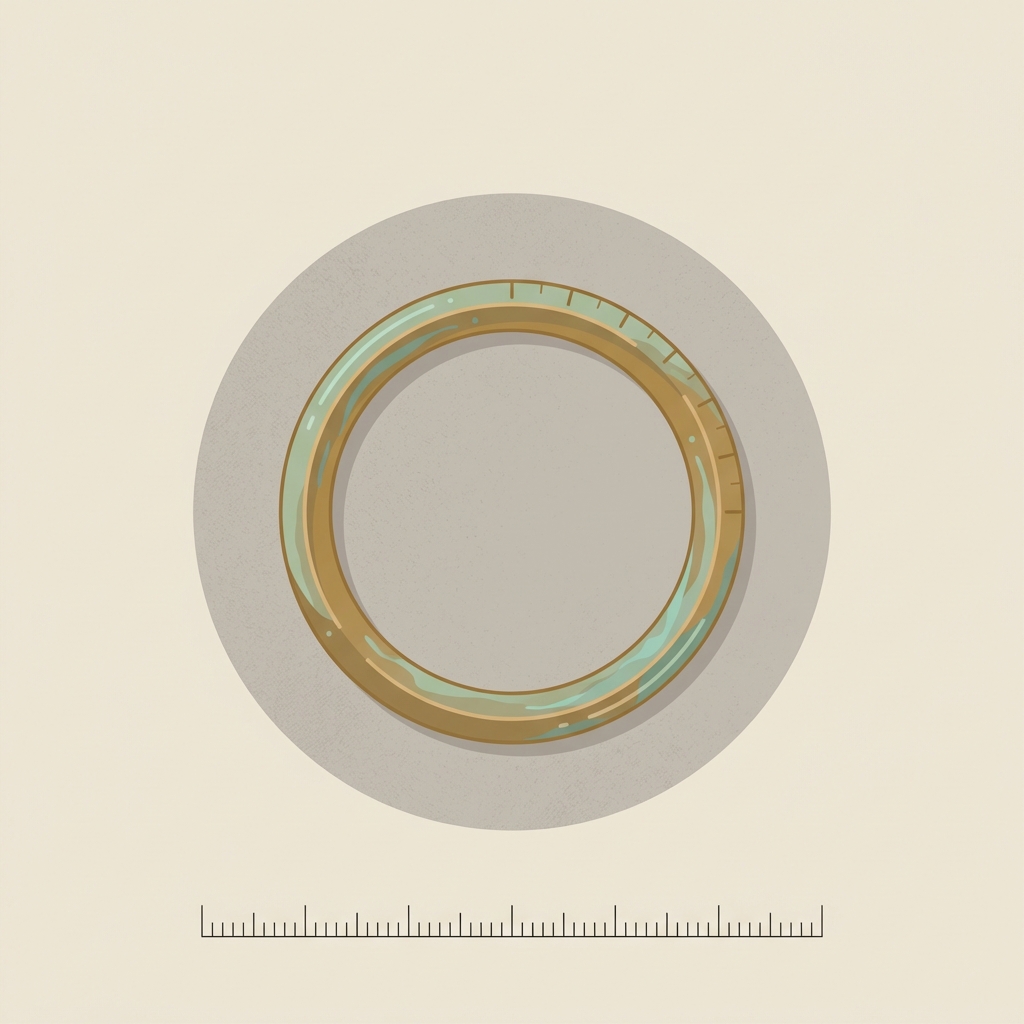
For buyers, combine condition notes, provenance details and non-destructive testing such as portable XRF to form a practical assessment. Request clear photographs, detailed restoration notes and any available XRF readouts as part of your due diligence. Those steps help you understand what you are buying and why it matters, especially if you collect for wearable history and documented context.
If you are ready to apply these steps, begin by compiling a short list of questions to send to sellers: ask for collection history, restoration notes and any XRF data. Keep language precise and ask for unedited images under neutral light to reduce ambiguity.
Photos can suggest metal by colour, but lighting and editing can mislead; request unedited images under neutral light, close-ups of the hoop and bezel, and, when possible, a portable XRF readout or weight measurements for more reliable assessment.
No, restoration is a conservation step; authenticity depends on documentation and scientific checks. Restoration notes should state what was done and using what materials so you can judge impact on appearance and structure.
Portable XRF is a non-destructive elemental screening tool that many sellers use; asking for XRF readouts is a practical due diligence step because it helps distinguish gold, silver and copper-alloy surfaces without sampling.
More from Aurora Antiqua
References
- Internet Archaeol. 40. Atkinson and Preston. Objects of personal adornment, Internet Archaeology, Council
- Luxury Arts of Rome, The Metropolitan Museum of Art, New York
- Emilie Riha, Der römische Schmuck aus Augst und Kaiseraugst (Roman jewelry from Augst and Kaiseraugst), Römermuseum Augst
- Investigating Ancient “Bronzes”, J. Paul Getty Museum and Getty Conservation Institute, Los Angeles
- Conserve O Gram 10/2: Caring For Silver And Copper Alloy Objects, National Park Service, US Department
- Protecting silver cultural heritage objects with atomic layer deposited, Heritage Science (Springer Nature)
- 16 CFR 23.5, Misrepresentation as to silver content, Federal Trade Commission, eCFR
- EAP, Estonian Journal of Archaeology Publications, Estonian Academy Publishers
- Client Challenge, Springer
- Characterization of Castellani nineteenth-century gold jewellery by in situ, Nature