


Looking for the real thing? Browse authentic Ancient Greek rings, each piece one of one, individually authenticated, with documented provenance. For the background, see the guide to ancient jewelry.
What are greek coin rings? Definition and historical context
The term greek coin rings describes rings that incorporate ancient Greek or closely related coins as their central element, either as an original conversion where the coin was adapted into a hoop or as a later mounting that sets the coin into a bezel. Museum scholarship shows coin-based jewellery was used across Greek and Roman periods and that both ancient conversions and later settings appear in collections, so dating should be treated as an estimate tied to documentation Metropolitan Museum of Art.
In practice, you will encounter a range of treatments: intact coin-hoop conversions where the coin forms part of the ring hoop, coins fixed into later bezels, and modern remounts that use an ancient coin as a decorative element. Each form carries different signals about wear, conservation, and likely historical context, and they can all be offered under the broad label ancient coin jewelry in listings.
Follow @auroraantiqua for restoration notes and listing walkthroughs
Before you buy a higher-value piece, ask the seller for any provenance notes, clear condition descriptions and close-up photos showing joins and patina.
Collectors and museums distinguish these forms because the technique affects how an object should be handled and interpreted. Converted coins often show solder lines and joins consistent with historic metalwork, while mounted coins may sit in later workshops settings that alter how the coin sits and how visible wear appears.
Short historical note, framed as interpretation: coins as personal ornaments or elements of jewelry appear in archaeological and curatorial literature from the classical period through Roman times, and their use for personal display connects monetary imagery with iconography and identity.
Why choose a greek coin ring as a gift
A greek coin ring can be an evocative gift because it offers wearable history, a tangible connection to iconography and motifs that open conversations about the past. For a recipient who values narrative and material culture, the ring often reads as a one of a kind object with an emblematic motif or portrait that invites questions about origin and meaning. For museum context on coins used as personal adornment see the British Museum research on coins turned into jewellery British Museum blog.
Gifting a greek coin ring also requires realistic expectations: the piece may show wear consistent with age, and the story you pass on should include any available provenance and condition notes so the recipient understands what is documented and what remains an estimate.
Consider the recipient: history-minded collectors and luxury buyers who like conversation pieces will appreciate an object that is clearly presented with documentation, while casual gift recipients may prefer a well-explained, lower-value example that emphasizes design and symbolism rather than a high-value documented antiquity.
Quick buying checklist for greek coin rings
Before you commit, ask the seller for core documentation: any provenance notes, prior ownership history, and verification letters when available. For legal and ethical context on why provenance matters, consult international cultural property guidance such as the 1970 UNESCO Convention UNESCO Convention (for related discussions see culturalpropertynews.org).
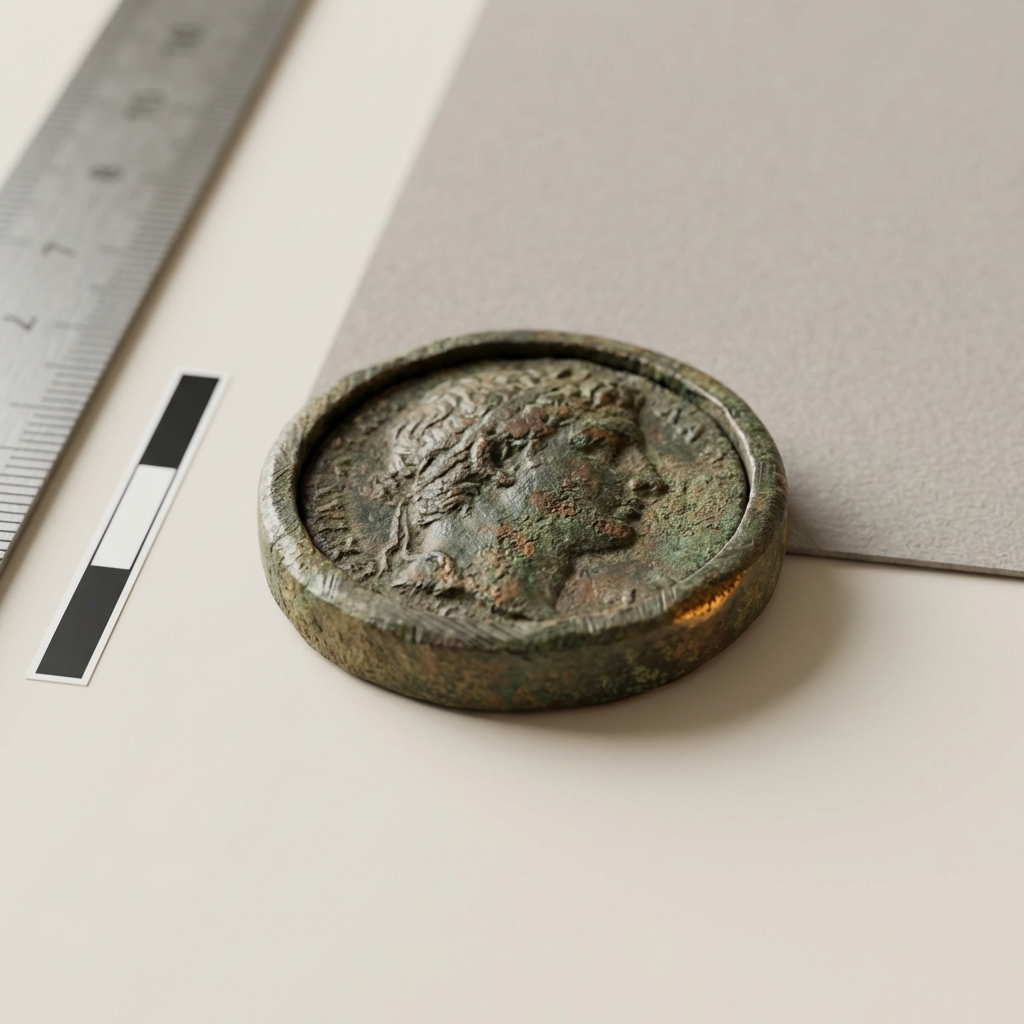
Look at photos and measurements carefully. Essential views include full ring photos, close-ups of coin obverse and reverse, detailed shots of solder lines and joins, and clear scale or measurement shots so you understand size and weight.
It can be, provided you prioritize provenance, clear condition notes and responsible care and present the object with honest context about what is known and what remains an estimate.
Also request practical details: material identification (bronze, silver, gold), exact measurements, and any restoration or stabilization work noted in restoration notes. Knowing whether conservators stabilized corrosion or performed structural repairs affects how the piece should be handled and displayed after purchase.
Types and styles you will see in listings
Listings typically fall into broad groups: ancient conversions where the coin is incorporated into the hoop, later mounted coins set into a bezel, and modern remounts that reuse a coin in contemporary jewelry. Numismatic research and collection records describe these categories and their visual hallmarks, helping buyers tell them apart American Numismatic Society.
Visual cues are practical indicators: an intact coin-hoop conversion often shows smoothing where the rim meets the band and solder lines consistent with traditional joining; a modern remount may display neat, modern soldering and bezel styles that reflect contemporary techniques. Regional and period clues such as portrait styles, legends and motifs can suggest a provisional dating but should be corroborated by documentation.
Be mindful that mounting style affects condition assessment. A deeply set bezel can protect edges of a coin but may obscure legends, while conversion techniques that altered the coin to form the hoop can produce stress lines that are relevant to restoration notes and condition descriptions.
How to evaluate authenticity, dating and style for greek coin rings
Photographs can indicate plausibility, but not certainty. In images, patina patterns, solder lines, and the character of metal joins frequently signal whether a conversion is likely ancient or a later workshop adaptation; readers should look for these markers and ask sellers to describe them in condition notes American Numismatic Society.
When a listing claims a specific date or attribution, request the evidence: provenance documentation, prior collection records, publication references, or a numismatic report. Dating should be presented as an estimate linked to the supplied documentation rather than an absolute.

As a curator and seller reference, Aurora Antiqua can act as an expert curation layer that describes condition notes, restoration notes, and provenance details when available, helping buyers interpret listings without implying absolute authenticity for every piece.
If you lack documentation, consider independent numismatic input before paying a high premium. Clear photography, scale, and a seller’s transparent description are the minimal starting points for any assessment of style and dating. For examples of dealers who publish export documentation see some listings by established dealers.
Dating and numismatic indicators explained
Numismatic features such as legends, ruler portraits, and standard iconography provide practical clues for narrowing a date range, but these signals are interpretive and work best when cross-checked with reputable museum images or collection notes Metropolitan Museum of Art.
Portrait style and legend form can often reduce a possible date span from centuries to decades, yet alloy appearance and degree of wear are also important. Always treat visual dating as provisional and tied to any expert notes or prior documentation provided by the seller.
When in doubt, ask for references to published catalogues or museum collection entries that show comparable examples. Using museum images as a visual comparison helps verify whether the motifs and legends on a coin align with known types, though final attribution can require specialist numismatic examination.
Condition, conservation and care for greek coin rings
Patina, corrosion patterns and solder lines are key condition markers for ancient metal rings and should be described in the seller's condition notes; avoid aggressive cleaning that can remove evidence and alter surface chemistry Victoria and Albert Museum.
For home care, minimal intervention is the rule: store the ring in inert materials, keep it away from humidity and acidic environments, and avoid polishing that will disturb patina. If the ring shows active corrosion or structural concerns, consult a professional conservator rather than attempting repairs at home.
A simple inspection checklist to use when viewing listing photos
Use a loupe for on-site inspection
When you receive the ring, document its condition on arrival with dated photos and keep any original packaging and paperwork. Those images and notes become part of the object's provenance documentation and help if you later seek professional conservation or valuation.
Typical restoration notes sellers might provide include stabilization of active corrosion, minor solder repairs, or cosmetic cleaning; these entries matter because stabilization work alters future conservation needs and handling. Always read restoration notes closely and ask what was done and by whom.
Legal and provenance checklist for cross-border gifts and purchases
International cultural property rules and professional museum codes rooted in the 1970 UNESCO Convention frame legal and ethical risks for cross-border trade, so documented provenances and export permits are essential considerations for higher-value purchases UNESCO Convention (see also related US documentation downloads.regulations.gov).
Ask sellers for explicit provenance documentation: collection history, prior ownership notes, and any export or import permits that accompany the object. For purchases crossing borders, absence of proper export permits increases legal and ethical risk and should raise caution.
When documentation is partial or absent, consider delaying the purchase until additional paperwork is available or seek advice from a specialist in cultural property law or a museum professional. Responsible sellers will acknowledge legal frameworks and provide relevant paperwork when appropriate.
Pricing and market expectations for greek coin rings
Price depends on several factors: metal type, condition notes, degree of original work versus remounting, iconography rarity, and the clarity of provenance. Market surveys through 2024 to 2025 report rising online interest in authenticated antiquities but note variability and premiums for well-documented pieces Art Basel market report.
Expect a premium for pieces with clear provenance documentation, high-quality images, and third-party reports. Conversely, less-documented items can be priced lower but come with increased uncertainty regarding legal status and authenticity.
To set expectations, compare multiple listings and ask sellers for comparable sales or catalogue references. Transparent price reasoning from a dealer or curator can help clarify whether a listed price aligns with condition and documentation quality.
Where to buy and how to verify sellers when buying greek coin rings online
Reputable seller practices include clear condition notes, visible provenance or collection history, detailed restoration notes, high-resolution photos, and accessible return policies. Those signals increase confidence in a listing's transparency and trustworthiness Victoria and Albert Museum (for examples see our rings collection).
Ask questions that indicate responsible curation: who examined the piece, what conservation work was done, whether any documentation or export permits exist, and whether the seller will provide additional images on request. A willingness to share detail is a positive sign.
When in doubt, request third-party letters or reports for high-value purchases and prefer sellers who describe restoration notes and provenance clearly. Absence of documentation increases the need for independent checks and cautious bidding or offers.
Presentation, gifting and display ideas for a greek coin ring
When presenting a greek coin ring as a gift, include a short provenance summary or condition note that explains what is known and what remains an estimate. Framing uncertainty honestly helps recipients appreciate the object's history without overstating claims.
For display, use inert materials and avoid prolonged exposure to humidity, oils, or acids. Temporary wearing is acceptable for many stabilized items, but regular wear should follow a conservator's advice if restoration notes report structural repairs or active conservation work Victoria and Albert Museum.
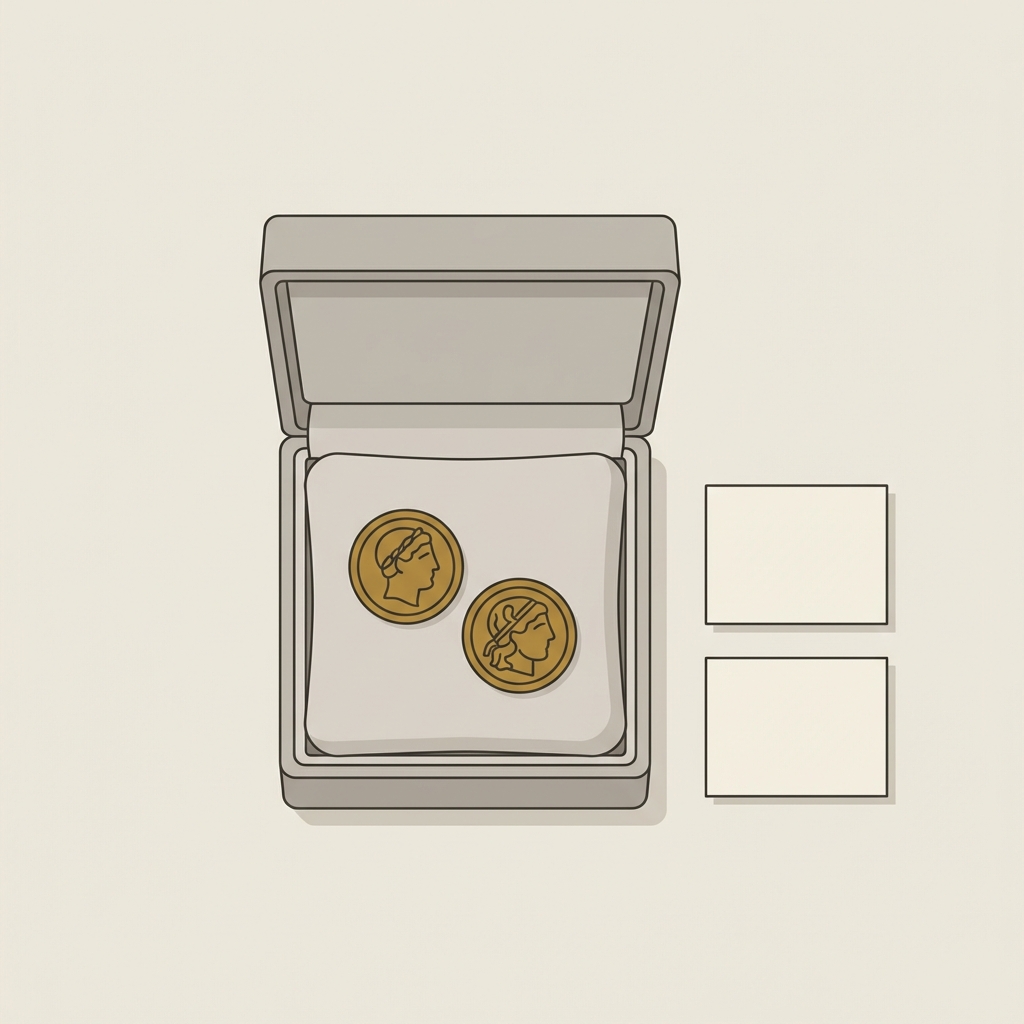
Consider presenting the ring with a simple card that explains iconography or motif and suggests safe handling and storage practices. That small packet of information becomes part of the object's ongoing provenance documentation.
Common mistakes to avoid when buying greek coin rings
Avoid over-relying on polished marketing photos or seller claims that lack documentation. Mechanical cleaning or aggressive polishing can destroy provenance evidence and should be avoided, so look for restoration notes and ask who performed any conservation work Victoria and Albert Museum.
Do not assume a modern remount equates to lesser interest; treat modern settings as a distinct category and price them accordingly, but do not conflate remounts with original ancient work when assessing authenticity or value.
If a listing offers no provenance or only vague claims about origin, proceed cautiously and request additional evidence, comparative references, or an independent numismatic opinion before concluding a purchase for a high-value gift.
Short annotated examples and buyer scenarios
Scenario A, souvenir-style ring: a low-cost listing described as inspired by ancient designs, with no provenance and modern remounting. Recommended action: treat this as decorative jewelry, request clear return terms, and avoid placing high sentimental value on claimed antiquity. For routine purchases, document the listing and save images.
Scenario B, documented one-of-a-kind ancient conversion: a ring offered with prior collection notes, clear restoration notes describing stabilization only, and high-resolution photos showing solder lines and patina consistent with age. Recommended action: request any third-party letters, check comparable museum examples, and consider a conservator inspection if you plan regular wear. When documentation is present, provenance documentation and condition notes guide both price negotiation and care decisions.
Conclusion: is a greek coin ring the right gift for you?
In short, a greek coin ring can be a meaningful gift when it is presented with clear condition notes and provenance and when the giver and recipient value wearable history and narrative over mass-market novelty. Treat dating and attribution as estimates tied to the supplied documentation and ask for clarification where needed Metropolitan Museum of Art.
Final practical next steps: verify photos and measurements, request provenance and restoration notes, and seek a conservator or numismatic input for high-value items. When you balance sentimental aims with careful verification, a greek coin ring can be a responsible and memorable gift that honours both the object and its story. See Aurora Antiqua for related items and resources.
You will typically find intact coin-hoop conversions, coins set into later bezels, and modern remounts that use an ancient coin as decoration. Each form affects how the piece should be assessed for condition and dating.
Provenance is important for legal and interpretive reasons; documented collection history, prior ownership notes, and export permits reduce risk and make attributions more reliable.
No, avoid aggressive cleaning. Use inert storage and consult a conservator for active corrosion or structural repairs to preserve patina and provenance evidence.
More from Aurora Antiqua
References
- Law 3028/2002 on the Protection of Antiquities And Cultural Heritage, World Intellectual Property Organization
- Regulation (EU) 2019/880 on the introduction and the import of cultural goods, EUR-Lex (Official Journal L 151/1)
- Council Regulation (EC) No 116/2009 on the export of cultural goods, EUR-Lex, Publications Office of the European Union
- Stolen Works of Art Database, INTERPOL
- 1995 Convention, UNIDROIT, International Institute for the Unification of Private Law, Rome
- Auction Terminology, Christie's
- Gold necklace with coin pendants, Inv. 17.190.1655, The Metropolitan Museum of Art
- About us, International Association of Dealers in Ancient Art
- Fighting the illicit trafficking of cultural property, UNESCO
- downloads.regulations.gov