


Looking for the real thing? Browse our Ancient Roman ring collection, each piece one of one, individually authenticated, with documented provenance. For the background, see the guide to Roman jewelry.
What the history of Roman jewelry covers: definition and context
The phrase history of roman jewelry describes a broad set of personal adornments produced across the Roman world, typically dated from the late Republic through Late Antiquity, roughly the 1st century BCE to the 4th to 6th century CE. This chronological frame guides how museums and catalogues organise typologies and helps collectors place forms in a relative sequence rather than as absolute calendar dates, since many market pieces lack find context Metropolitan Museum timeline
Roman jewellery includes objects made in local workshops from a range of metals and gemstones, and it reflects long distance trade in carved gems as well as regional stylistic preferences. Understanding that "Roman" covers geographic breadth is essential: a ring made in provincial Gaul can look different from one made in Syria, while both are part of the broader Roman material culture British Museum collection overview
See behind the listings on @auroraantiqua
If you prefer listings that show clear condition notes and documentation, look for curated pages that organise images of the bezel, shoulders and inner band and list any conservation reports
For collectors, the starting point is to treat dates as well informed estimates when an object lacks archaeological provenance. Catalogues with find context will usually carry higher confidence than private market descriptions, and that certainty should shape how much additional testing or documentation you request before purchase British Museum collection overview. See Aurora Antiqua's Ancient Roman Rings collection.
How specialists date and classify Roman jewelry
Specialists use a combination of typological markers and archaeological context to date and attribute rings and small jewellery. Common markers include bezel profile, hoop cross-section and the style of engraving on intaglios, each of which can change across centuries and regions and help narrow a date range British Museum collection overview
When an object comes from a stratified archaeological context, dating confidence rises because typology can be tied to datable layers or associated finds. In market situations where context is missing, experts rely more heavily on close stylistic parallels in public collections and published catalogues to make reasoned estimates Metropolitan Museum timeline
Practical checks you can make in images include noting bezel shape, whether the hoop is round or D-shaped in cross-section, and how the intaglio is cut and seated. These visual features are useful starting points, but they are part of a comparative method rather than a laboratory confirmation Oxford Handbooks Online
Materials and gemstones in Roman jewellery
Typical metals are gold, silver and bronze, and common stones include carnelian, agate and jasper, often as carved intaglios used for seals or amuletic imagery. Physical appearance can suggest a class of material, but alloying and recycling mean appearance is not a substitute for compositional tests Luxury Arts of Rome, The Metropolitan Museum of Art, New York
Laboratory analyses have shown frequent alloying in Roman metalwork and evidence that precious metal was recycled in many workshops, so weight and surface finish alone cannot confirm composition or purity Archaeometry analytical report Archaeometallurgical characterization study
Collectors should know the typical period range, recognise common materials and techniques, treat dates as estimates without context, and prioritise provenance, condition notes and any conservation or lab reports when making a purchase.
Gemstones such as carnelian and jasper were widely used as intaglios because they take fine engraving and can serve as personal seals as well as decorative stones. Intaglio subjects range widely and carry both aesthetic and functional value in their carved detail Metropolitan Museum timeline
Techniques and workshop practices in Roman jewellery making
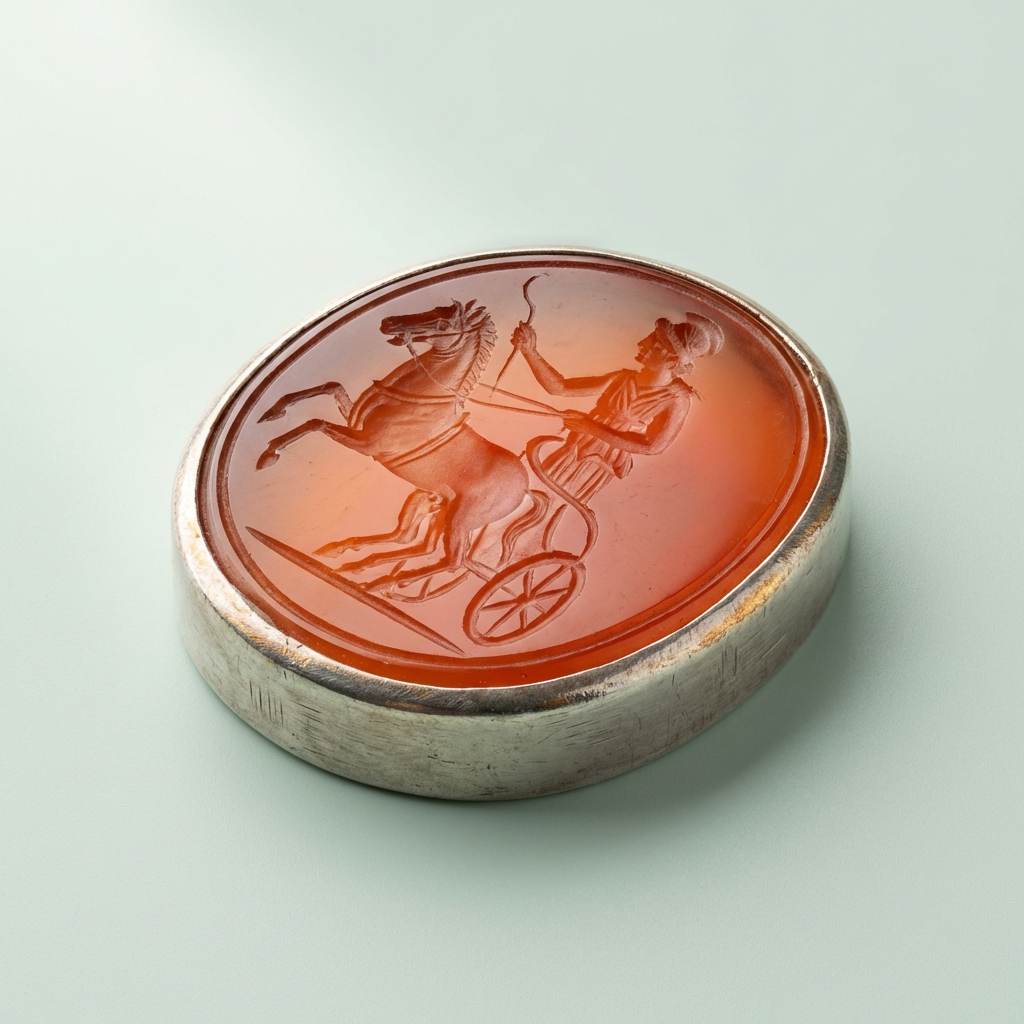
Documented manufacture techniques include lost-wax casting, granulation, filigree and repoussé, which appear across the Roman world and form a consistent technical vocabulary for rings and small objects. Conservators and scientific examiners have analysed these methods and shown how they fit into workshop sequences and repairs Journal of Archaeological Science overview npj Heritage Science gemstones study
Intaglio carving and mounting followed established patterns: a gem was cut, often in a durable stone, and set into a bezel that secured it both for wear and for sealing. Variations in setting method and bezel seating help specialists identify workshop habits even when materials vary bague, Louvre site des collections, Musee du Louvre, Departement des Antiquites grecques, etrusques et romaines
Because workshops reused metal and adapted techniques, the same technical vocabulary can appear in several regions and over long spans of time. This means that finding a particular technique on an item is helpful for comparison but not by itself proof of a narrow origin Journal of Archaeological Science overview
Typologies and motifs: rings, intaglios, and amuletic imagery
Ring types and bezel profiles are important typological markers: flat oval bezels differ from rounded cabochon seats, and shoulders may be plain, ridged or decorated in ways that recur in datable series in museum catalogues Metropolitan Museum timeline
Intaglio iconography ranges from deities and mythological scenes to animals or witty motifs that could be protective or playful. These motifs often reflect social use, such as a seal for correspondence or an amulet carried for protection Oxford Handbooks Online

Motif alone should guide attribution only when cross-checked with bezel form, technique and provenance; iconography provides valuable clues but is strongest when combined with technical and contextual evidence Finger ring, intaglio, London Museum (formerly Museum of London)
Dating and attribution pitfalls: what to trust and what to doubt
Dating and attribution are most reliable when typology and find context converge. Without an archaeological context, dates are best presented as estimates and collectors should expect a degree of uncertainty in any market description British Museum collection overview
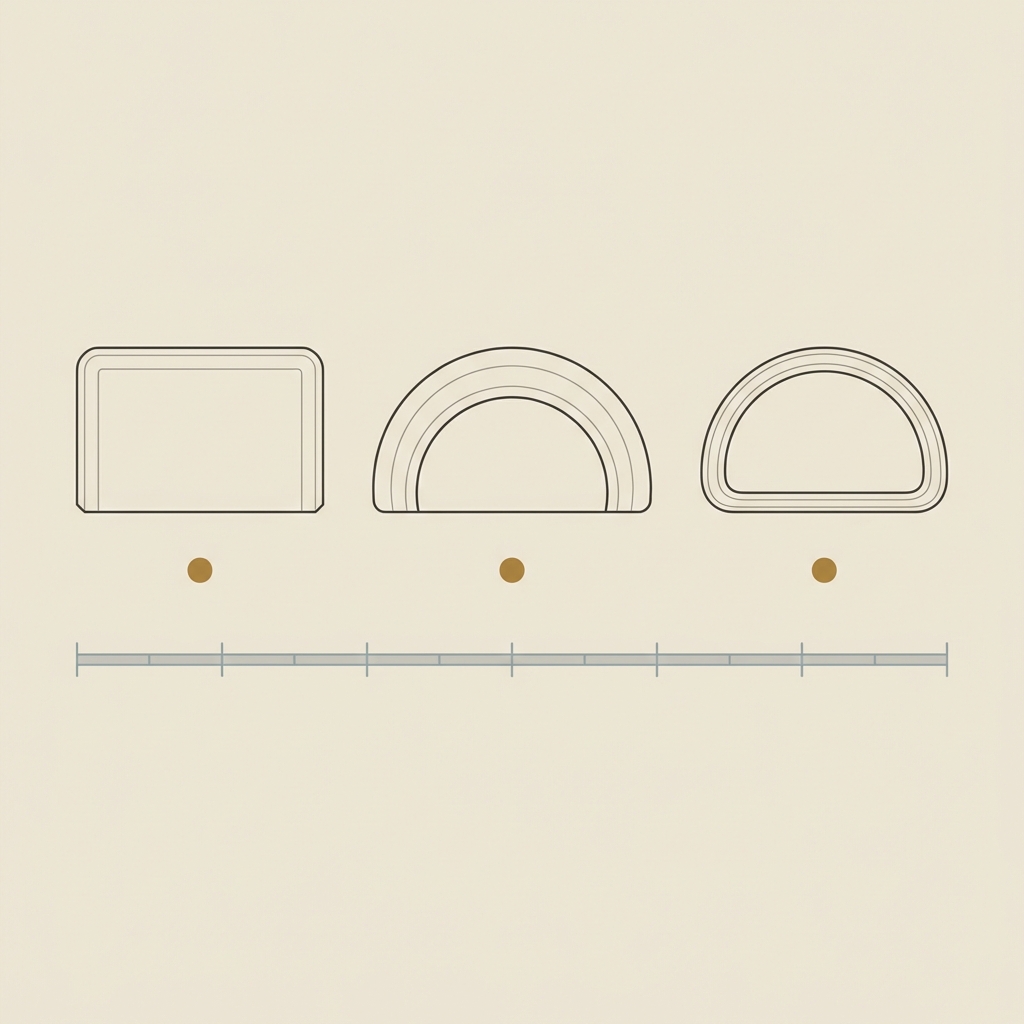
Later repairs, modern mounts or recycled metal can complicate readings of form and composition. Scientific studies have documented how reuse and restoration alter surface and internal composition, so conservation reports help interpret mixed features Archaeometry analytical report
When assessing a listing, ask whether restoration is recorded and whether treated areas are pictured. Noting filled losses, visible solder lines or modern fixed fittings can change how a specialist reads a ring's age and original appearance Journal of Archaeological Science overview
Authentication, testing, and when to request lab analysis
Visual inspection remains a crucial first step: typology, tool marks, wear consistent with age and documented repairs are all assessable from good images. However, questions about composition or invisible modern interventions typically require laboratory methods to resolve Journal of Archaeological Science overview
Pre-purchase condition and documentation checklist
Use before bidding
Common scientific analyses include metallurgical composition studies using XRF or more detailed elemental analysis and gem identification by microscopy or spectroscopy. These tests clarify alloying, recycled metal signatures and the mineral nature of gemstones when images alone leave doubt Archaeometry analytical report Archaeometallurgy: Guidelines for Best Practice (HEAG003), Historic England
Ask sellers for existing conservation reports or statements that list treatments and stabilising work, and consider third-party testing if provenance is crucial for purchase decisions. Conservators can often read repair joins and patina in ways that are not obvious from casual viewing Journal of Archaeological Science overview
Preservation and restoration notes collectors should expect
Conservation literature describes common treatments such as stabilising corrosion, inpainting or filling lost areas, and discreet solder repairs; transparent condition notes should list these and describe how the piece will behave in display or wear Journal of Archaeological Science overview
A good condition note mentions stabilised corrosion, areas of loss, modern repairs and any parts left untouched, with photos of treated areas. That clarity helps buyers judge whether an item is suitable for wear or more appropriate as a display object Archaeometry analytical report
When restoration is extensive it may alter how a ring reads stylistically; record keeping that separates original fabric from later additions is therefore important for accurate dating and for understanding collector value beyond aesthetics Journal of Archaeological Science overview
Provenance, legal and ethical considerations for collectors
Provenance or collection history increases confidence in an object's background, but many trade-era records remain incomplete; documented find context or verifiable ownership chains are the strongest forms of provenance for collectors to seek British Museum collection overview
Red flags include an absence of documentation, vague or evasive seller answers about collection history, or unverifiable claims of prior ownership. Where legal or export rules may apply, consult national authorities or specialists before purchasing items that suggest complicated provenance histories Archaeometry analytical report
Ethical collecting means asking for paperwork and understanding that documentation raises confidence rather than providing absolute proof of origin. Even with good documentation, some buyers choose additional testing to resolve remaining uncertainties British Museum collection overview
A practical buying checklist for Roman rings and small jewellery

Before bidding or buying, request condition notes, provenance or collection history, and high-resolution images that include the bezel face, profile, inner band and close-ups of any treated areas. These items are the minimum information set that reduces uncertainty for online purchases British Museum collection overview. You can browse similar items in our rings collection.
Ask whether any conservation or laboratory reports exist and whether the seller will disclose restoration notes. If those reports are absent for an important purchase, consider requesting third-party testing or a conservator review before completing a transaction Journal of Archaeological Science overview
Photo-evaluation guide: look for a clear view of the bezel face, an orthogonal profile that shows hoop cross-section, a readable inner band for marks or inscriptions, and macro images of any suspected repairs or filled losses to assess intervention quality British Museum collection overview
Common mistakes and market red flags when identifying Roman jewellery
Overreliance on surface finish, apparent patina or weight can mislead because of deliberate ageing, modern surface treatment or metal recycling practices documented in analytical studies. Treat surface signs as indicators that require corroboration rather than as proof of a date or composition Archaeometry analytical report
Another common error is reading modern repairs or mounts as ancient features; a careful image study and a conservator statement can reveal modern solder, recent adhesives or remade bezels that change a specialist's interpretation Journal of Archaeological Science overview
Be cautious of broad authenticity claims without documentation or laboratory support. For important acquisitions, insist on provenance papers or independent reports rather than relying solely on attractive descriptions or confident seller language British Museum collection overview
Illustrative scenarios: how the facts apply in typical buying situations
Scenario A: a well-documented deaccession from a museum or museum collection sale usually includes find context or clear paperwork. In such a case the checklist moves faster: confirm condition notes, review conservation reports if present, and compare the object to published typologies before bidding Metropolitan Museum timeline
Scenario B: an attractive ring listed without provenance but with clear typology. Here the checklist emphasises asking for high-resolution images of bezel, shoulders and inner band, requesting any lab or conservation notes, and considering a conservator assessment if you plan to wear the item Journal of Archaeological Science overview
These scenarios are illustrative. Each listing requires its own documentation and, when needed, targeted testing to resolve specific questions about composition or later intervention before a collector completes a purchase Journal of Archaeological Science overview
Museum resources, catalogues and further reading
Major public collections and their online catalogues remain the most reliable first references for typological parallels and iconographic examples; museum timelines and collection overviews make good starting points for comparison and visual study Metropolitan Museum timeline. Read our post on the timeless appeal of Roman intaglio rings.
For technical methods and testing, conservation and archaeological science literature offers case studies and methodological overviews that explain what laboratory techniques reveal about alloying, recycling and gem identification Journal of Archaeological Science overview
Oxford Handbooks and specialist monographs remain useful for iconographic and social context, helping collectors understand how motifs functioned within Roman society and how those meanings shift across time and place Oxford Handbooks Online
Final checklist and recommended next steps for collectors
Request these items as a minimum before committing to purchase: condition notes, provenance or collection history, high-resolution images of bezel, shoulders and inner band, and any conservation or laboratory reports. This list reduces uncertainty and helps you weigh the need for further testing British Museum collection overview
If provenance or documentation is missing for an item you consider important, pause and ask for more records or third-party testing. Treat any date offered without context as an estimate and seek comparative catalogue parallels to support stylistic claims Journal of Archaeological Science overview
Conservative steps for collectors: compare the item to museum catalogues, ask for condition transparency, and consider a conservator review for items intended for regular wear. These steps limit risk while allowing informed acquisition of wearable antiquities Metropolitan Museum timeline
Closing summary: what the facts about Roman jewellery mean for collectors
Roman jewellery is characterised by recognisable typologies, a consistent technical vocabulary and a palette of metals and carved stones, but dating and composition often remain estimates unless supported by archaeological context or laboratory analysis Metropolitan Museum timeline
For collectors the practical priorities are clear: provenance, condition notes, high-resolution imagery, and any available conservation or lab reports meaningfully reduce uncertainty. Aurora Antiqua positions itself as a curator and reference layer that emphasises those documentation practices without implying absolute guarantees about specific items
Look for consistent typology, wear consistent with age, clear condition notes, high-resolution photos of bezel and inner band, and any conservation or lab reports; absence of provenance makes dating an estimate.
No. Stones such as carnelian were commonly used historically, but gem type alone does not confirm date or origin; laboratory identification and provenance are needed for higher confidence.
Request laboratory testing for questions about metal composition, signs of modern repair, or when provenance is incomplete and the purchase is important enough to justify testing costs.
More from Aurora Antiqua
References
- Luxury Arts of Rome, The Metropolitan Museum of Art, New York
- bague, Louvre site des collections, Musee du Louvre, Departement des Antiquites grecques, etrusques et romaines
- Engraved Gem with a portrait of Demosthenes inset into a gold ring, The J. Paul Getty Museum, Los Angeles
- Finger ring, intaglio, London Museum (formerly Museum of London)
- Talismans, Visitatori salutem, Szepmuveszeti Muzeum, Museum of Fine Arts Budapest
- Signet Ring, Victoria and Albert Museum, London
- Archaeometallurgy: Guidelines for Best Practice (HEAG003), Historic England
- Investigating Ancient “Bronzes”, J. Paul Getty Museum and Getty Conservation Institute, Los Angeles
- A non-destructive analytical study of cultural heritage object from Late, Nature